Car Rental in Tokyo: A Practical Guide for Tourists
Securing a car rental in Tokyo allows you to explore beyond the capital's massive rail network, but navigating Japan's driving regulations requires careful preparation.
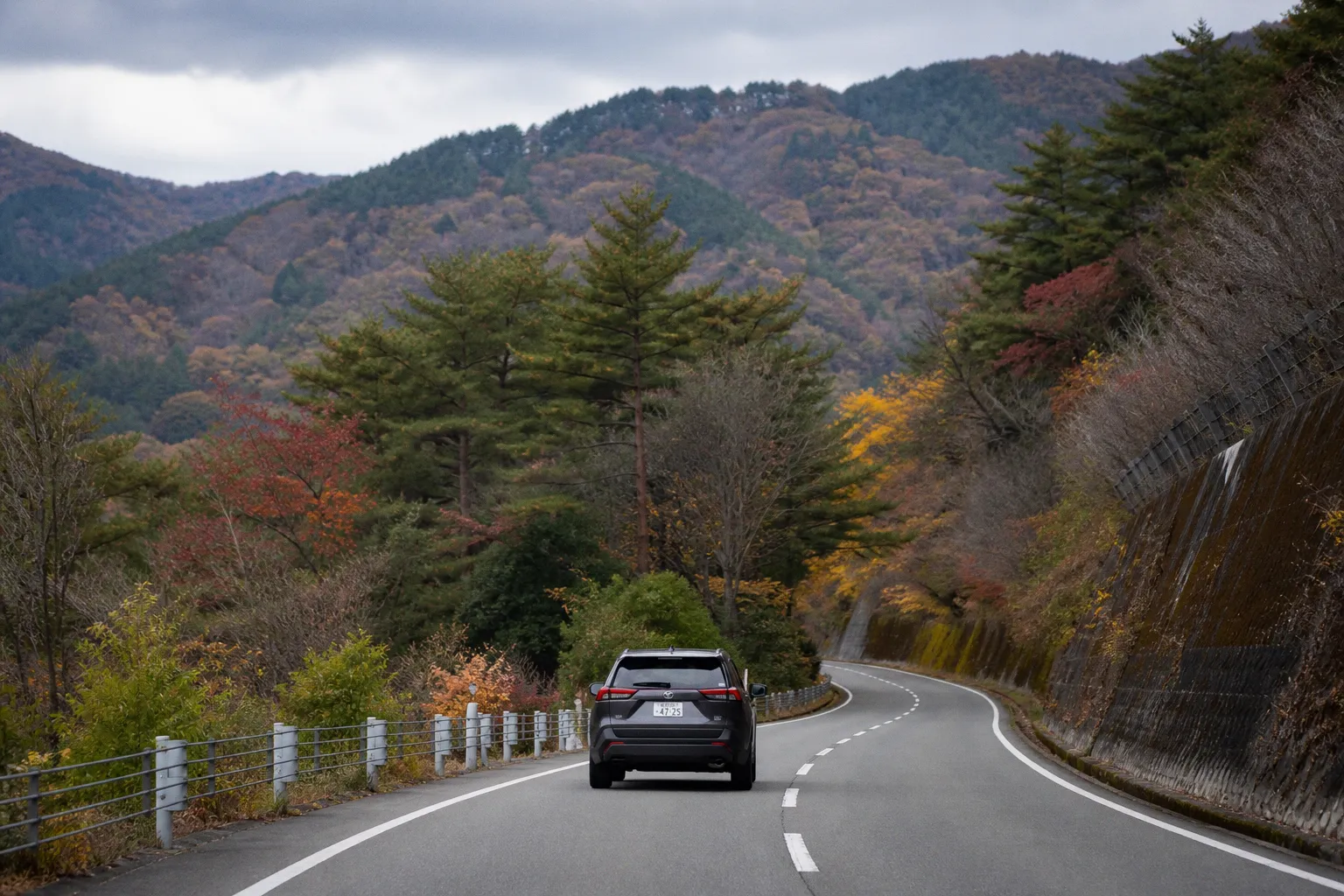
From securing the correct physical permit to understanding local parking laws, here is what you need to know before booking.
Compare car rental deals in Tokyo
Pick-up: airport (NRT) · train station · downtown
Pick-up points: Tokyo (all locations) · Tokyo Shinjuku City · Tokyo Ebisu · Tokyo Narita Airport (NRT)
Partner link — DiscoverCars comparisonGood to know
Driving: on the left.
Local currency: JPY.
Good to know — verified sources
- Foreign driver's licenses are valid for driving in Japan for one (1) year from the date of landing in Japan, confirmed by the immigration stamp in the passport. rent.toyota.co.jp
- An International Driving Permit is required to drive a car in Japan. japan.travel
- In FY2026, Tokyo's Metropolitan Expressway (Shutoko) will have 134 ETC-only entrances where cash and credit card payments are not accepted. shutoko.jp
- Drivers in Japan must not drive under the influence of alcohol. english.jaf.or.jp
- In Japan, winter tires are essential for rental vehicles in snowy areas such as Hokkaido, Tohoku, and the Japanese Alps, especially from November to March. driving-japan.com
Sources checked on August 06, 2026.
| Minimum Driving Age | 18 years old |
| Permit Requirement | Physical booklet-type 1949 Geneva Convention IDP |
| Sub-compact Daily Rate | ¥5,000 to ¥11,100 |
| ETC Card Rental Fee | ¥330 per rental |
| Speed Limits | 60 km/h (ordinary roads) / 100 km/h (expressways) |
| Illegal Parking Fine | ¥10,000 to ¥18,000 |
Renting a car in Tokyo is an excellent option for travelers planning to venture into the scenic mountainous regions, coastal towns, or rural prefectures surrounding the metropolis. While Tokyo itself features one of the world's most efficient public transit systems, having your own vehicle offers unmatched flexibility for day trips. However, driving in a city of over 9.7 million residents comes with strict legal requirements and high operational costs. This guide outlines the essential steps to secure a vehicle, from verifying your international driving permit to navigating toll roads and finding parking. We cover local traffic laws, typical rental prices for 2026, and key pickup locations across Tokyo's major transit hubs to ensure a seamless driving experience in Japan.
L'essentiel: Rules, Permits, and Driving Laws
To drive in Japan, you must present a physical booklet-type International Driving Permit (IDP) issued under the 1949 Geneva Convention, along with your passport and original license. Digital, app-based, or card-type IDPs are not legally accepted. If you hold a license from Switzerland, Germany, France, Belgium, Monaco, or Taiwan, you do not need an IDP but must provide your original license and an official translation from the Japan Automobile Federation (JAF) or your embassy. You must also have a physical entry stamp in your passport to verify your arrival date, as foreign driving privileges expire exactly 1 year after entry. If you use automated gates at the airport, request a stamp from customs.
Japan drives on the left. You must come to a complete stop at all railway crossings and cannot turn on red lights unless a green arrow is displayed. Speed limits are typically 60 km/h on ordinary roads and 100 km/h on expressways. Children under 6 years old must use safety seats. Street parking is heavily restricted, and overnight street parking is illegal. Expect to use coin parking lots, which cost ¥100 to ¥500 per 30 minutes. Illegal parking fines range from ¥10,000 to ¥18,000.
Rental Rates and Booking Tips
A typical sub-compact car rental in Tokyo costs between ¥5,000 and ¥11,100 per day. To avoid high costs, it is recommended to book your vehicle well in advance, especially during peak travel seasons. When renting, always opt to rent an Electronic Toll Collection (ETC) card, which usually costs a one-time fee of ¥330. The ETC card allows you to pass through toll gates seamlessly and access discounts, with the final toll balance settled when you return the vehicle.
Be aware of one-way rental fees if you plan to drop off the car in another city. These drop-off fees are calculated by distance. For example, Nissan Rent a Car charges ¥5,500 for distances up to 50 km and ¥11,000 for up to 100 km. Long-distance drop-offs, such as driving from Tokyo to Kyoto, will incur fees costing tens of thousands of yen. When refueling, note that self-service gas stations use standardized color-coded nozzles: red for regular gasoline, yellow for high-octane, and green for diesel.
Where to Pick Up Your Rental Car
Car rental agencies are widely available across Tokyo, with major hubs located at international airports and primary railway stations. If you are flying into the city, you can easily arrange a rent a car in Tokyo directly at Haneda Airport (HND) or Narita International Airport (NRT). Major rental providers have service desks inside the terminals, allowing you to complete paperwork and take a shuttle to the vehicle lot.
For those already in the city center, major railway stations such as Tokyo Station, Shinjuku Station, and Shibuya Station host numerous rental offices. Picking up a car in the city center is convenient if you want to avoid driving through Tokyo's central traffic immediately after landing. However, keep in mind that navigating the busy streets of central Tokyo can be challenging for first-time visitors, so starting your journey from an airport location or a quieter suburban station is often preferred.
Day Trips and Driving Out of the City
While driving inside Tokyo is rarely necessary due to traffic and parking costs, a car hire in Tokyo is the perfect tool for exploring the surrounding Kanto region and beyond. Having a vehicle allows you to visit scenic destinations that are difficult to reach by train, such as the historic towns around Tochigi, the coastal roads of the Izu Peninsula, or the scenic viewpoints near Mount Fuji.
When planning your routes, remember to factor in toll costs, which can add up quickly on the expressways. Always ensure your rental car is equipped with a GPS navigation system. While major agencies provide English-language systems, it is wise to double-check availability when booking. Additionally, ensure you plan your return journey to avoid Tokyo's peak rush hours, as traffic congestion on the expressways leading back into the city can significantly delay your return and potentially incur extra rental hours.
Where to go by car
| Destination | Distance | Time | Tolls (est.) | Why go |
|---|---|---|---|---|
| Mount Fuji & Lake Kawaguchiko | ~120 km | ~1 h 45 min | ~15 € | Enjoy iconic views of Mount Fuji and explore the scenic Five Lakes region at your own pace. |
| Hakone | ~95 km | ~1 h 30 min | ~10 € | Visit famous hot spring resorts, Lake Ashi, and mountain shrines. |
| Nikko | ~150 km | ~2 h | ~15 € | Explore the UNESCO-listed Toshogu Shrine and scenic mountain waterfalls. |
| Kamakura | ~50 km | ~1 h | — | See the Great Buddha and historic temples along the coastal road. |
| Izu Peninsula | ~140 km | ~2 h 15 min | ~15 € | Drive along rugged coastlines and access remote beaches and seafood towns. |
Tolls: motorway estimate (~€0.11/km) — free secondary routes often exist.