Optimizing Hydraulic Infrastructure to Meet Rising UK Data Centre Cooling Demands
More Efficient Cooling Needed As UK Data Centre Demand Rises…
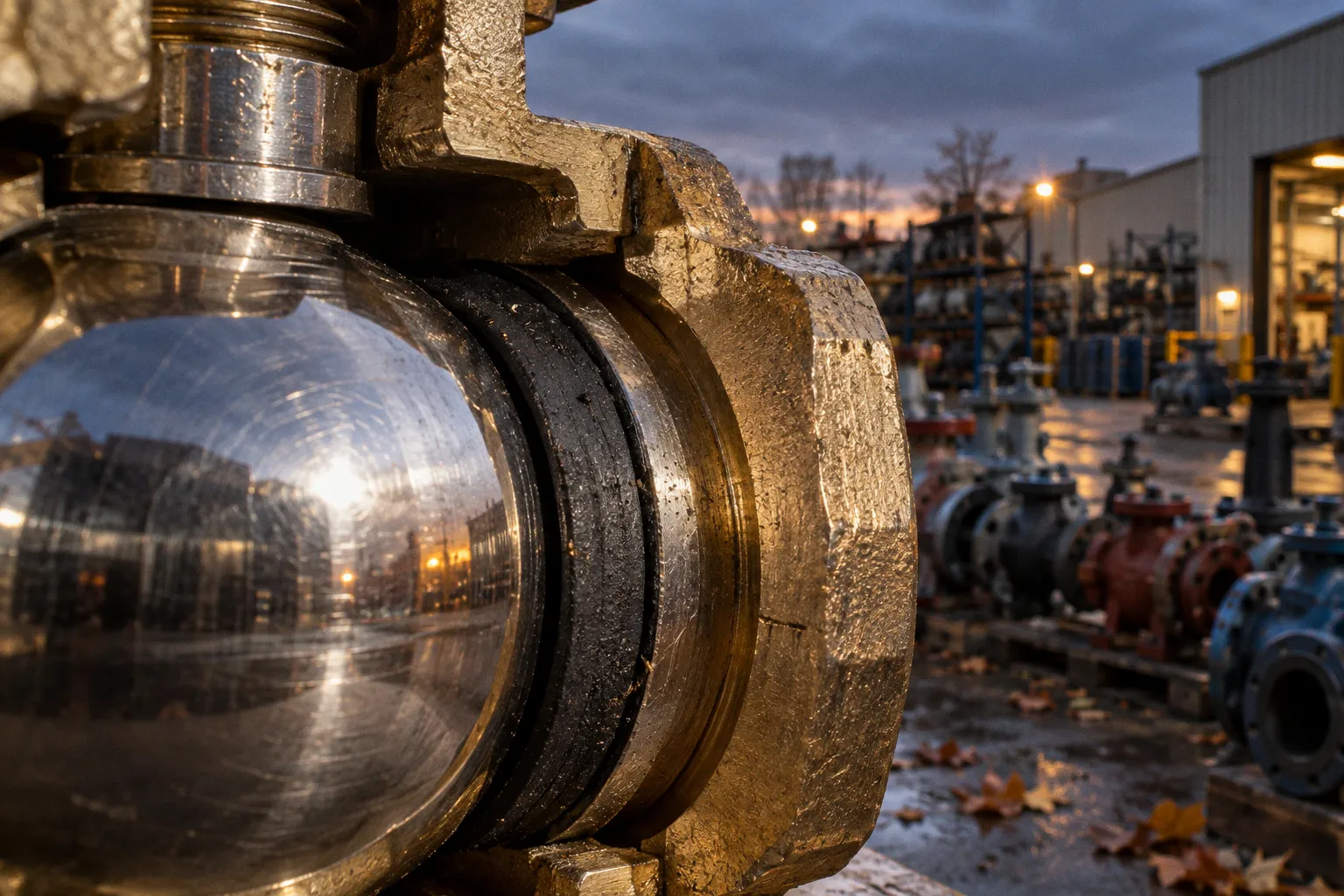
According to a recent industry callout from pump manufacturer Grundfos, UK data centre operators are being urged to rethink how they handle cooling — because as AI-driven compute capacity scales up, the pumps, controls and water systems behind every facility are starting to feel the strain. Pieter Swart, who heads specification for fire and modular systems at the company, argues that even small efficiency gains in pumping infrastructure can meaningfully reshape operating costs and long-term performance. For anyone working with pumping equipment, the message here is clear: the next wave of specification decisions is being shaped inside server rooms, not just on factory floors.
Where pumping efficiency actually lives
The framing matters on the ground. According to figures cited by Swart, cooling can account for up to 40 per cent of a data centre's total energy consumption — which means the pumps moving chilled water through these facilities are running a workload that rivals entire industrial estates. When you think about it that way, "efficient cooling" stops being an IT problem and becomes a hydraulic one. The same pumps, valves, and control logic we already trust in process plants and district heating networks are now being judged against the relentless uptime expectations of hyperscale operators, and the specifications we write today will decide whether that workload is met cheaply or expensively.
There is also a quieter trade-off baked into the design conversation. Improving Power Usage Effectiveness by adopting water-based cooling tends to push Water Usage Effectiveness in the wrong direction, while cutting water use to protect WUE often drives energy consumption back up. Swart's point, translated into the language we use every day on a service visit, is that you cannot optimise one metric without watching the other. Think of it the way you would balance flow against pressure in a loop: chase one number in isolation and you will hear the system complain somewhere else.
What the hardware side can actually do
Here is where the practical work begins. Variable-speed pumps paired with intelligent controls can throttle performance to match real cooling demand, rather than running flat-out at design point the way a fixed-speed unit would. Over the year-round operating window of a data centre, that flexibility shows up directly on the energy bill, and it tends to also reduce wear on the rotating assembly — which is the kind of thing we notice when we walk a plant and compare maintenance logs against the original duty card.
Existing facilities offer a quieter, and often cheaper, path to the same gains. Once a data centre has been running for a while, the operators actually know what their cooling demand curve looks like, instead of guessing from nameplate ratings. That knowledge is the basis for retrofit work: reassessing how the existing pumps are operating against actual demand, identifying loops where flow is being produced but not used, and reviewing whether the controls still reflect the way the building is being loaded. It is the same exercise a good service team carries out on any pumping skid that has drifted away from its original duty point.
Water itself is now part of the specification conversation. Depending on the cooling topology, reuse strategies and waste heat recovery can take pressure off both utilities and the local network. For readers who specify pumping systems, this is the moment to ask vendors how their equipment behaves under part-load, how it integrates with building management platforms, and what telemetry it actually exposes — because in a sector where downtime is measured in lost revenue per minute, the answer to those questions matters more than any headline efficiency figure.
What to keep watching
Two threads are worth following closely over the coming months. The first is regulatory and reputational: as concerns about UK water supply continue to surface in public reporting, expect cooling technology choices to come under closer scrutiny, and with them the specifications that determine how much water and energy a facility uses. The second is commercial. As AI capacity keeps climbing, the operators who have already optimised their pumping infrastructure will be the ones best placed to add new compute capacity without rebuilding their cooling plant from scratch — and that is the kind of advantage that quietly compounds, year after year, on every kilowatt-hour and every maintenance visit.