Strategic Shifts in the Global Pumps Market: What the 2026-2031 Outlook Means for Hygienic Design
That's the kind of moment where "hygienic pump" stops being a catalog bullet and becomes a daily ergonomic question — and it's exactly why moves like the one Procurement Magazine flags matter on the ground.
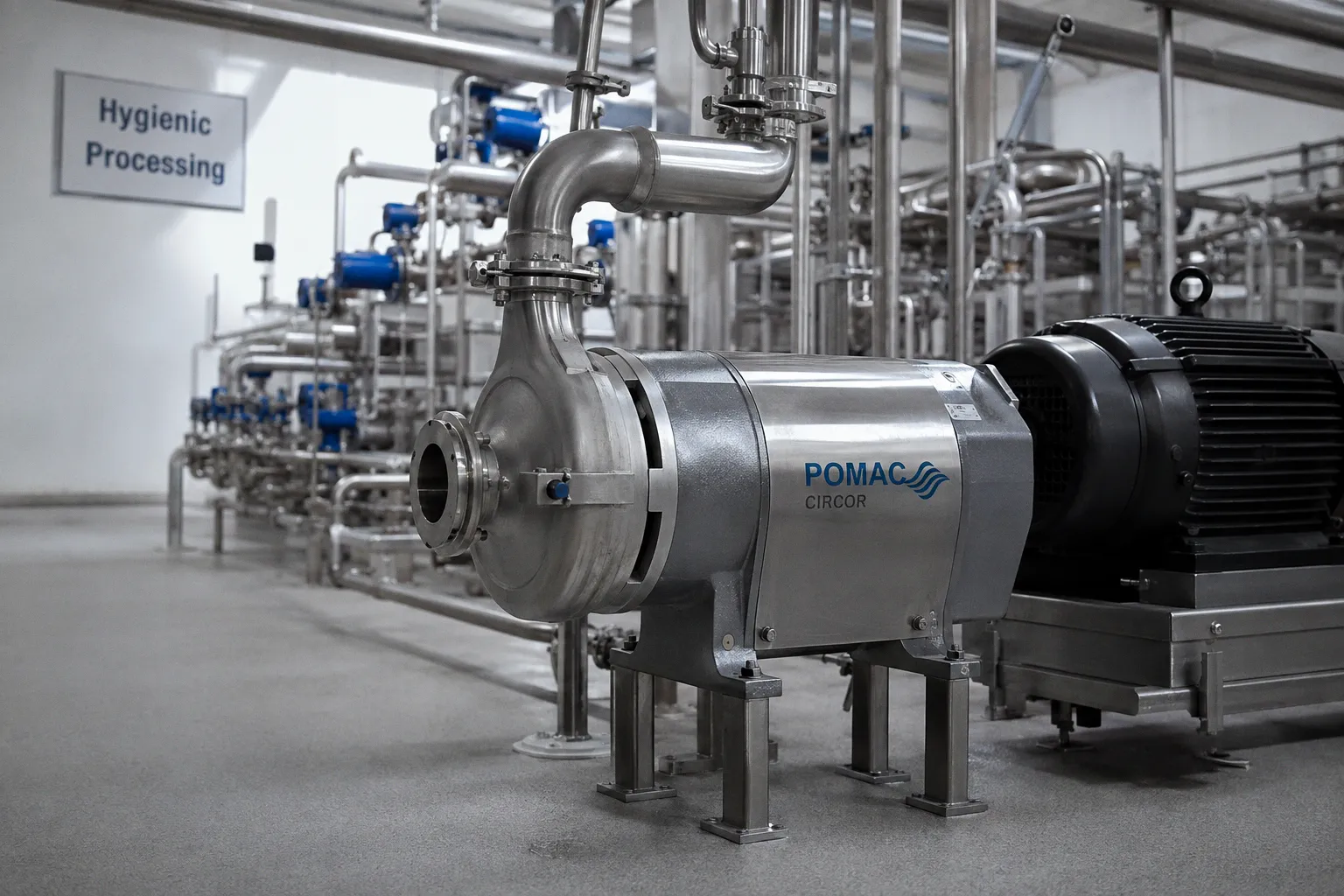
Picture this: it's the end of a long shift, and the operator at your food or pharma line is reaching for a pump housing that hasn't been designed with their grip in mind. The handle is cold, the surface is slick with cleaning solution, and the next CIP cycle is already queued. That's the kind of moment where "hygienic pump" stops being a catalog bullet and becomes a daily ergonomic question — and it's exactly why moves like the one Procurement Magazine flags matter on the ground.
According to Procurement Magazine, a new Global Pumps Market Research Report covering 2026 through 2031 has just become available, and the timing lines up with Atlas Copco pushing further into hygienic pumping through its acquisition of Pomac BV. We don't have the full report text in front of us, so we won't pretend to summarize chapters we can't read — but the headline cluster tells us enough to be useful to anyone specifying or servicing pumps in regulated environments.
What the timing tells us about hygienic pumps
If a global research house is choosing to publish a 2026–2031 outlook right as a major industrial group consolidates its hygienic portfolio, read the two signals together. Hygienic service isn't a side category anymore — it's a strategic one, and the suppliers who want to play there are being forced to deepen their bench. For procurement teams and plant engineers, that usually means a tighter, more competitive set of credible vendors over the next planning cycle, which is good news for the people writing RFQs and better news for the operators who benefit from more refined designs.
The "hygienic" label itself, in our experience walking lines, covers wider terrain than the brochures suggest. It includes the obvious sanitary surface finishes and CIP/SIP compatibility, but on the factory floor it also means handles and couplings that survive glove use, controls that don't trap moisture, and service points an operator can actually reach without contorting around a skid. When a major player like Atlas Copco doubles down on a hygienic specialist, those ergonomic details tend to get more engineering attention — because the acquiring company is buying the very design vocabulary that Pomac BV has built around food, beverage, and pharma duty.
What to verify before you act on this
Here's where we'd slow down, because the public material from Procurement Magazine is a headline plus a byline, and we want to be honest about that. If you're going to use this report to inform a capex plan or a vendor shortlist, three things are worth doing on your end before you trust the numbers:
- Pull the actual report and read the methodology section. A 2026–2031 horizon is long enough that the base year, currency assumptions, and what counts as "hygienic" can swing the totals meaningfully.
- Cross-check the Atlas Copco / Pomac BV side. Confirm the acquisition has closed in your jurisdiction, what the combined product roadmap looks like, and whether existing service channels and warranty terms transfer to your installed base.
- Map the report's segments to your own duty cycles. A global aggregate is useful for board context, but on the floor it's the per-application, per-viscosity, per-CIP-temperature breakdown that decides which pump you actually buy.
What to watch over the coming quarters
If the consolidation thesis holds, expect more M&A chatter around specialty hygienic and pharma-grade pump makers, and expect the bigger industrial groups to start publishing more explicit service-design language around cleaning, changeover time, and operator ergonomics. That's the part of the story we'll keep an eye on — because every hour shaved off CIP and every gram less an operator has to wrestle with on a 12-hour night shift is the real headline, not the market curve.