Industrial Expansion West of Katy: Why Vestas and Grundfos Are Reshaping the Corridor
According to Covering Katy News, the stretch of prairie west of Katy has shifted into a serious industrial and logistics belt.
Picture this: it's Tuesday morning, you've just stepped onto the floor of a pump assembly cell, and the shift lead slides a fresh service request across the bench. The bearing housing on a Grundfos CR unit is running hot again. Before you even crack the casing, your phone buzzes with a logistics update out of Houston — Grundfos has broken ground on a roughly 143,000-square-foot expansion of its Brookshire manufacturing campus, right along the same corridor where wind turbine maker Vestas has just leased 131,300 square feet for spare-parts distribution.
So why does a news bulletin from west of Katy, Texas matter to anyone whose daily life revolves around pumps and valves? Because it tells us where the physical infrastructure of our industry is being poured — and where the next generation of operators, service techs and inventory planners will need to show up.
The corridor is becoming a working atlas
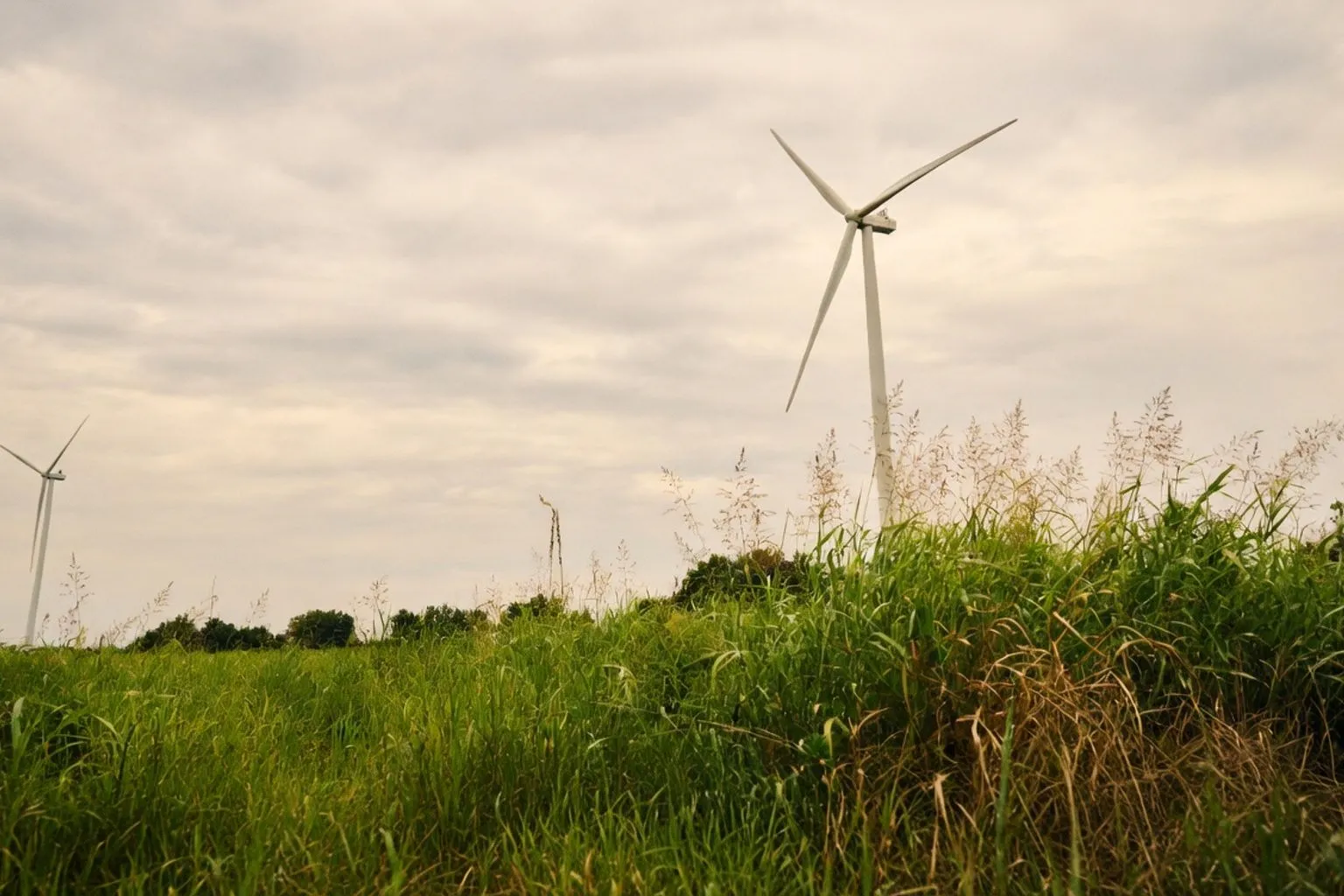
Vestas-American Wind Technology — the North American arm of Denmark-based Vestas — has signed a lease at Enterprise Park at Twinwood in Brookshire, about a mile south of Interstate 10 and Woods Road. The 17-acre site will support spare-parts distribution and operations across North America.
They're not arriving alone. Tesla is developing its Megapack battery manufacturing operation at Empire West in Brookshire, with a reported commitment of at least 1,500 jobs across more than 1.6 million square feet. Houston-based National Property Holdings has started on Katy Prairie Business Park along Igloo Road — two buildings totaling about 1.08 million square feet of manufacturing, warehouse and distribution space. And this summer, as we noted above, Grundfos broke ground on its Brookshire expansion, joining a roster that already includes Igloo Products, Goya Foods, Amazon, Costco, H-E-B, Medline, Ferguson, TMEIC and Elin Energy.
If you maintain pumps or specify them for facilities along the I-10 corridor, that sequence is worth tracking on its own. When a global pump manufacturer commits capital to a region, the aftermarket network — distributors, certified service partners, replacement-stock warehouses — usually grows with it.
What to watch on the ground
A few practical threads we think are worth pulling on, especially if you handle pumping equipment for industrial or municipal clients:
- Supply proximity. Brookshire sits within trucking distance of the Gulf Coast industrial cluster. New manufacturing capacity close to that node tends to shorten lead times on replacement pumps and critical spares. Worth asking your distributor whether their Brookshire-adjacent stocking strategy has shifted in the last quarter.
- Service partner density. The Waller County Economic Development Partnership has pointed to an incentive program encouraging speculative industrial construction that it says has helped generate roughly 13 million square feet of industrial space in the area. More tenants means more service contracts, more commissioning work, and — let's be honest — more calls at 2 a.m. when a seal fails.
- Cross-sector adjacency. Wind turbines and pumps aren't separate worlds. Vestas's spare-parts warehouse will sit in the same logistics ecosystem that supports Grundfos and the rest of that tenant list. Shared freight, shared labor pool, shared subcontractor base — those frictions and savings ripple down to the people on the floor.
There's also a longer play worth noting. Earlier this year, the Waller County Economic Development Partnership rolled out a 20-year strategy called "Waller County Forward: The Inland Gateway to the Future of Texas," aiming to leverage I-10, U.S. 90, rail service and Houston Executive Airport to pull in more employers. When a corridor gets a roadmap like that, the demand curve for industrial fluid handling — process water, cooling, HVAC, wastewater — usually bends upward within a few years.
A shift that reaches the bench
We've seen enough facility buildouts to know the news only matters when it changes someone's Tuesday. If you're a service tech in the region, the practical upshot is simple: more cranes going up nearby usually means more retrofit and commissioning work landing on your calendar before the buildings even open. If you're a specifier or plant engineer, it's a nudge to revisit your approved-vendor list and confirm your local distributor's coverage before the rush arrives.
And if you're the operator watching a pump's bearing housing run a few degrees hotter than it should? Same rule as always — document the readings, flag it to the shift lead, and let the data tell you whether the issue is the asset or the system around it. The industry keeps building outward. Our job is to make sure the equipment inside those new buildings keeps running the way it should.