Grundfos Expands Digital Access to Simplify Utility Operations
According to Utility Magazine, Grundfos is “pushing digital access for utilities”—a short headline, but one that lands on a very familiar point of friction for anyone who has stood beside a pump…
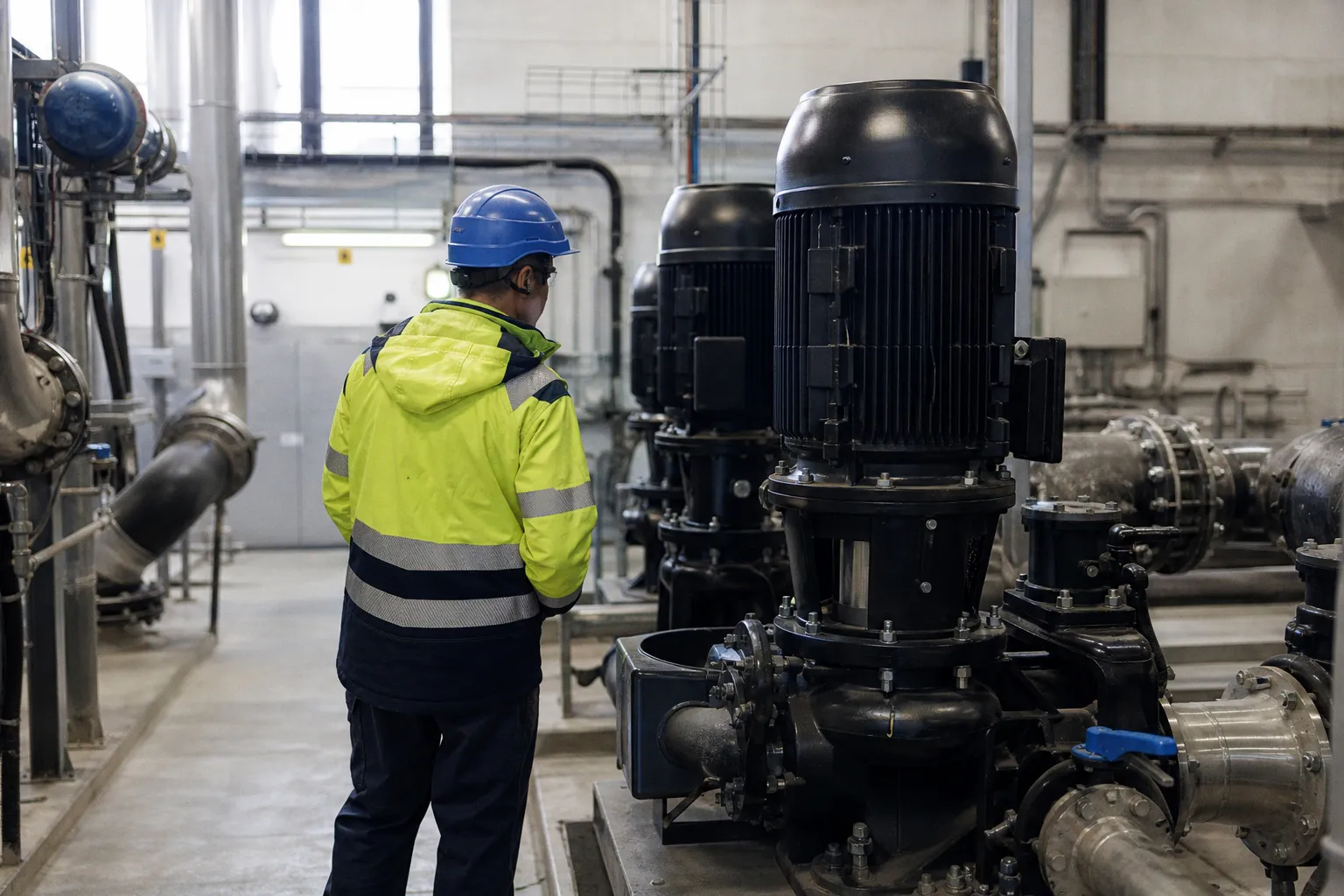
According to Utility Magazine, Grundfos is “pushing digital access for utilities”—a short headline, but one that lands on a very familiar point of friction for anyone who has stood beside a pump installation and tried to turn scattered information into a clear next action. For utilities, digital access is not an abstract feature: it is the difference between an operator having the right reference at hand and having to pause the job while the system, the shift and the workload continue around them.
The available report does not specify the product, platform, rollout or operational outcome involved, so this is a signal to watch rather than a specification to design around. Still, the direction is clear enough to be relevant: access to equipment information and services is becoming part of the utility experience, not an optional layer placed on top of the hardware.
Digital access has to work at the point of use
On the ground, a “digital” improvement only earns its place if it reduces effort for the person facing the equipment. You can have a capable pump, a well-documented valve arrangement and an experienced crew, yet still create operator fatigue if identifying the right information takes more work than the maintenance task itself.
That is the practical question behind the Utility Magazine report. If digital access means that you can reach the relevant equipment details without leaving the work context, it has the potential to make the physical system easier to support. If it simply adds another destination, another login or another screen to interpret, then the promised convenience can become one more handoff in an already crowded workflow.
For asset owners and service teams, the useful response is modest and concrete: look at where information is currently found during a normal intervention. Is it at the asset? In a paper folder? With a colleague? In a separate system? The answer gives you a more useful starting map than a broad discussion of digitisation.
A utility workflow is also a hardware workflow
Digital access should not be evaluated separately from the pump room, station or field installation it is meant to serve. The physical cues matter: labels that can be read in the installed position, components that are clearly identifiable, documentation that matches the equipment in front of you, and tactile feedback from the hardware that helps an operator confirm what has happened.
If the information layer and the equipment layer do not line up, users are forced to translate between them under pressure. If they do line up, then a technician can move through the task with fewer unnecessary stops. That is where service design becomes very practical: not a dashboard for its own sake, but a calmer route from question to action.
Grundfos’ reported focus is therefore worth tracking through the lens of everyday use. Before treating any digital-access offer as a finished answer, utilities should ask what it makes easier at the actual moment of need—and what it still asks the operator to remember, search for or reconcile manually.
The wider water-resilience conversation
A separate Sustainability Magazine item presents a Grundfos Q&A on navigating water resilience in agriculture. The available material provides no further detail from that discussion, but its presence alongside the utility-focused report is a useful reminder that water equipment is increasingly discussed through the realities surrounding it, not only through the performance of an individual component.
For teams selecting or supporting pumping equipment, the immediate route is simple: follow the reported digital-access direction, but keep the evaluation rooted in the user’s shift. When the information arrives where the work happens, and in a form that supports rather than interrupts physical maintenance, we give the people keeping water systems moving a little more certainty in their day.