Rising Flood Risks Create New Opportunities for Water-Removal Equipment
According to Business Daily, a new water-removal equipment market is opening on the back of rising flood exposure — and for anyone specifying pumps, valves, or dewatering gear, that's a signal worth slowing down to read.
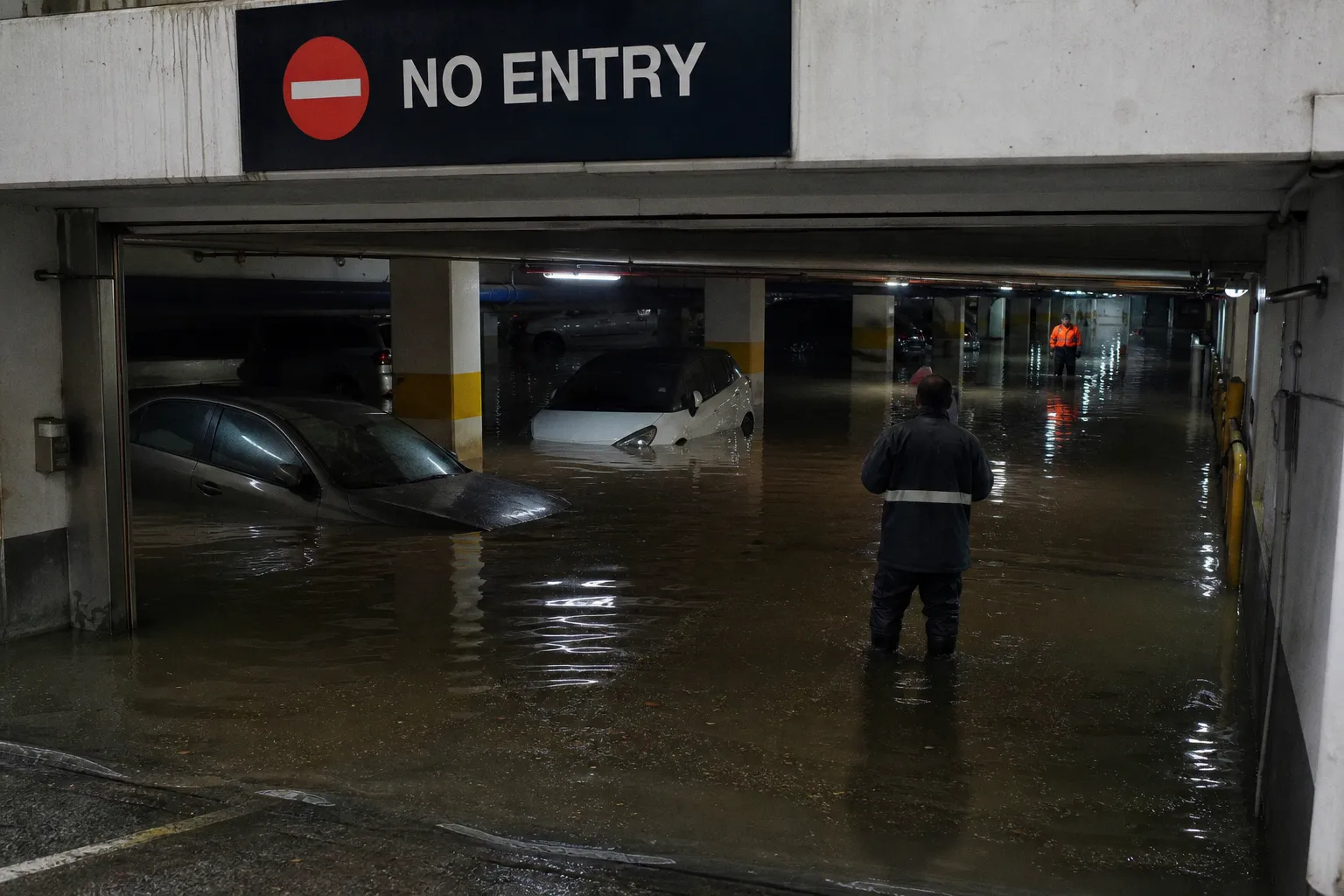
If you've ever watched a basement fill up faster than your crew can get a sump pump wired in, you already know why demand for water-removal equipment tracks so closely with flood risk. According to Business Daily, a new water-removal equipment market is opening on the back of rising flood exposure — and for anyone specifying pumps, valves, or dewatering gear, that's a signal worth slowing down to read.
Read the headline before you read the market
The news itself is short: Business Daily points to a market opening for water-removal equipment as flood risk rises. What's missing from the snippet is the part that matters most on the ground — which regions, which product categories, and what price band. Before anyone starts rebalancing inventory or rewriting a spec sheet, that's the first question to answer. Is this municipal stormwater infrastructure? Portable dewatering pumps for construction sites? Submersible units aimed at the residential trade? Each one puts a different kind of strain on supply, on service training, and on the way your team handles a flood call.
What "the market opens" usually means
When a new market opens around a risk like flooding, it usually means one of three drivers is moving. Either a regulatory shift is pulling demand — new building codes, revised insurance requirements, municipal procurement changes. Or a technology has finally made the gear affordable enough to scale. Or insurers and local authorities have tightened the timeline, and the old way of "getting by" no longer clears the audit. We don't have confirmation from the source about which lever is actually moving here, but you can check that quickly. Look at whether procurement notices in your area have changed in the last quarter, whether any new grant or incentive programs are showing up for flood mitigation, and whether your carrier has revised any requirements for properties in flood-prone zones.
If you manage a facility that floods seasonally, this is the moment to walk the site with whoever maintains your pumps. Ask them directly: does our current dewatering setup match the kind of water volumes we saw last season, or the ones the weather service is now forecasting? If the answer is "we've been getting by," that's exactly the quiet overconfidence that turns into a 3 a.m. call with a wet motor and a missing gasket.
What to watch before you buy
Without more detail from Business Daily's full coverage, treat this as an early signal rather than a buying signal. The practical move is to verify three things: which segments are actually expanding, which manufacturers are entering, and whether lead times on the categories you rely on are starting to stretch. If those three check out, then it becomes a sourcing conversation. If they don't, nothing in your purchasing plan needs to change yet.
The bigger shift, though, is one we've been talking about for years in this industry — flood risk is no longer a once-a-decade event. It's a planning input. And a market that opens on that risk is, in a way, the industry finally catching up to the weather.