Avoiding Common Drainage Pump Selection Errors: A Guide for Installers
Installer Online reports that many drainage-pump failures are effectively designed in before the unit ever reaches the sump: the pump is chosen from habit, familiarity or what happens to be…
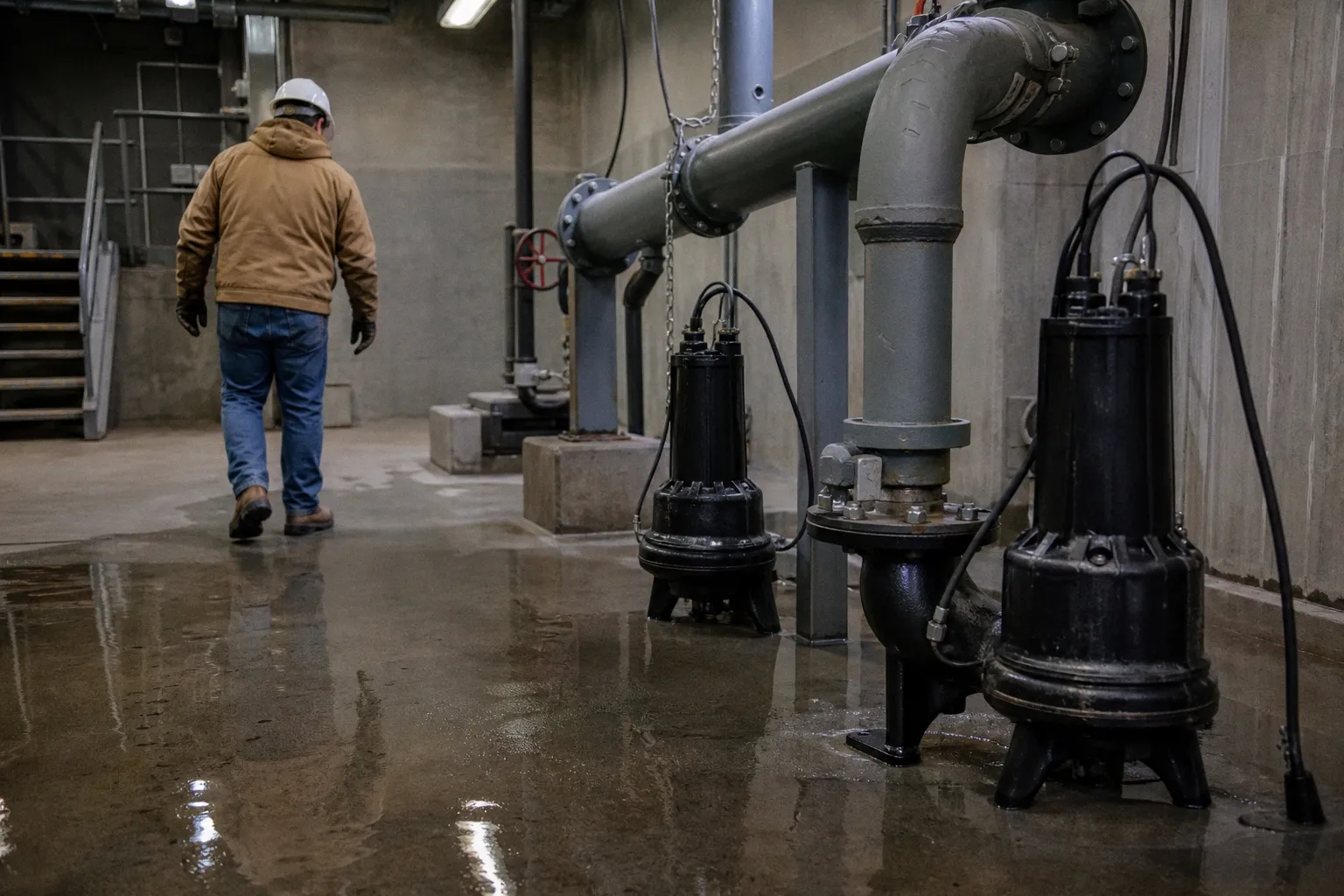
Installer Online reports that many drainage-pump failures are effectively designed in before the unit ever reaches the sump: the pump is chosen from habit, familiarity or what happens to be available, rather than from the conditions it will actually face. In comments published by the outlet, Grundfos’ Neal Saunders warns that this can mean performance problems, repeat visits and an unhappy customer—exactly the kind of avoidable friction that makes a routine installation harder for everyone on the ground.
For installers, the useful reminder is simple: drainage may look interchangeable from a distance, but the real-world context rarely is.
Start with the water, not the catalogue
At the start of a shift, it is easy to see a drainage job as a familiar pattern—water needs moving, there is a space for a pump, and a known model is close at hand. But, as Grundfos notes, apparently similar drainage applications can involve different flow conditions, debris and other factors that affect performance.
That is where selection needs to begin. Before settling on a product, the installer should work through the application itself: what type of water is involved, what solids-handling requirement may be present, how the pump will be installed, and how it is expected to operate over time.
If the water and operating conditions are understood first, then the pump choice has a practical anchor. If they are treated as an afterthought, then the installation can become a guessing exercise—one that may only reveal itself through troubleshooting after handover.
The cheapest pump can create the longest day
Grundfos’ point is not that every drainage task demands the same level of equipment; it is that the lowest initial price does not automatically represent the lowest-cost outcome. A pump matched to the application can reduce troubleshooting, minimise repeat visits and provide more reliable performance for the customer.
That distinction matters in the daily rhythm of installation work. A call-back is not just a line on a job sheet. It can mean returning to a difficult location, disrupting another planned visit, and asking an operator or homeowner to live with an unresolved problem for longer. It also means the original decision has to be revisited under more pressure, with less room for calm assessment.
For domestic drainage work, Grundfos identifies its UNILIFT range as developed for a variety of requirements commonly found in and around residential properties. The important design lesson, however, is broader than any one range: the model should follow the duty, not the other way around.
A structured check protects the handover
Saunders’ advice is to begin with the application and consider water type, usage needs, installation conditions and reliability expectations before making a final selection. That may sound like a small change in sequence, but it is the difference between choosing a familiar object and choosing for a specific situation.
When we make that check part of the installation routine, we are designing for the person who will live with the result after we leave. Better application fit can mean fewer operational issues, less operator fatigue around recurring faults, and a more dependable handover—because the pump has been selected for the work it is actually being asked to do.