Waller County Industrial Expansion: Implications for Plant Infrastructure and Hardware
Community Impact reports that Waller County officials are looking to spark continued growth in the area’s industrial corridor, a development worth watching for anyone working with pumps, valves, and…
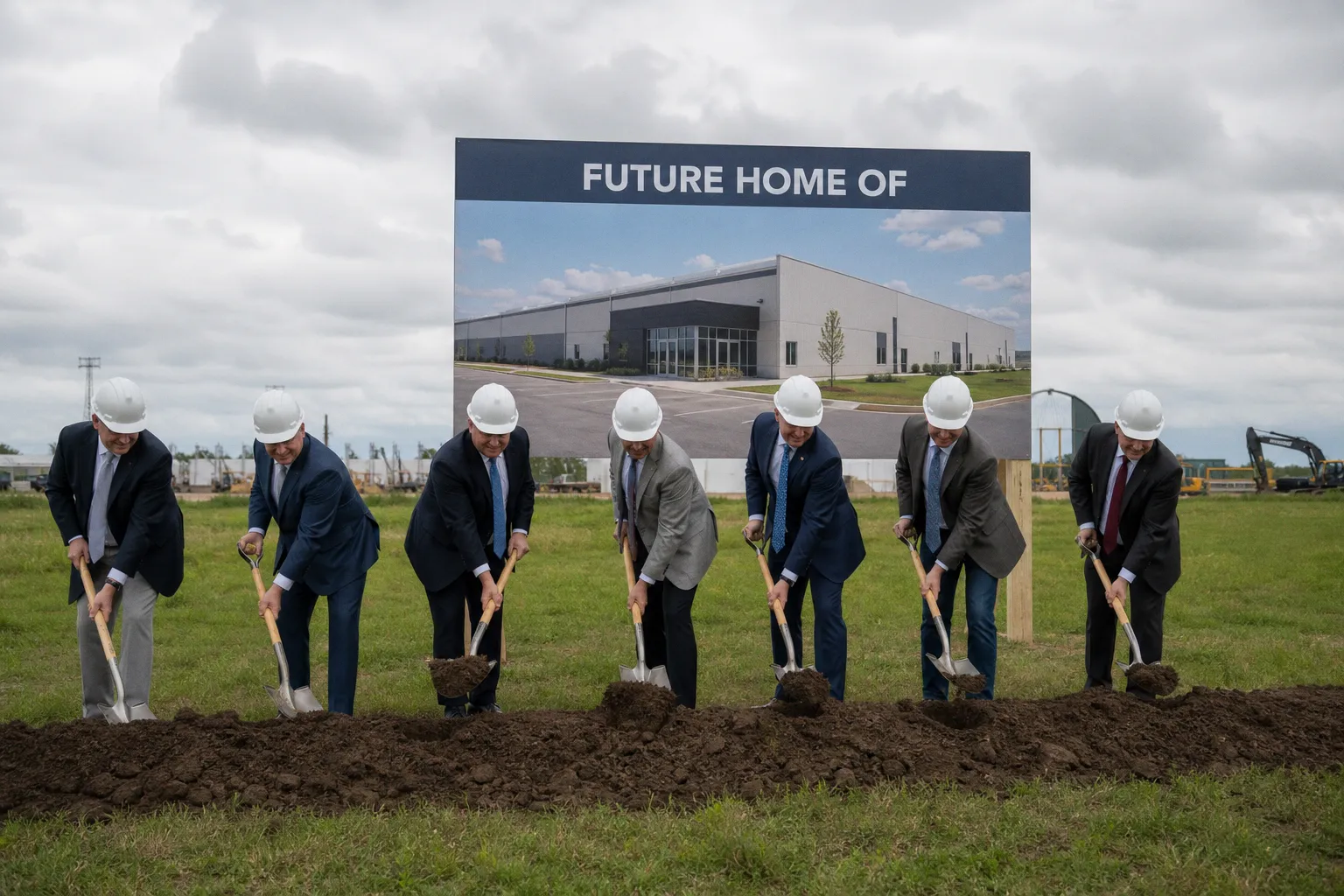
When a plant expands, the first friction point on the ground is rarely the headline announcement; it is the practical question of whether the supporting equipment, utilities, access routes, and maintenance plans can keep pace with the next shift. Community Impact reports that Waller County officials are looking to spark continued growth in the area’s industrial corridor, a development worth watching for anyone working with pumps, valves, and other factory-floor hardware. The report signals an active industrial-growth story, but the available source material does not establish specific project scopes, schedules, contracts, or equipment requirements.
Why this matters for industrial hardware
For equipment suppliers and plant teams, corridor growth is not only a question of how many buildings may arrive. If-then decisions begin much earlier: if new facilities move forward, then water, process-fluid, fire-protection, cooling, drainage, and wastewater systems may all require equipment that can be maintained reliably in real-world conditions.
That is where the difference between a catalog specification and daily usability becomes important. A pump may meet a duty point on paper, but operators still have to inspect it, isolate it, service it, and return it to operation without creating unnecessary downtime. The same applies to valves: clear identification, dependable tactile feedback, sensible access, and straightforward replacement procedures matter when operator fatigue is already part of the working environment.
The news does not confirm that any particular pump or valve package has been selected. It does, however, put Waller County’s industrial corridor on the radar as a location where future development could create additional demand for infrastructure and plant-support equipment.
What buyers and suppliers should verify
The next useful step is not to assume that a growth announcement equals an immediate purchasing opportunity. Instead, we should look for the details that turn a regional ambition into a defined industrial requirement:
- which facilities or projects are moving from planning into construction;
- what industries and process conditions they will involve;
- whether specifications will be set by owners, engineering firms, developers, or contractors;
- what standards will govern pumps, valves, controls, materials, and documentation;
- and how commissioning, spare parts, service access, and operator training will be handled.
For a supplier, that means preparing questions before presenting a product. If the application involves abrasive fluid, chemical exposure, variable demand, or frequent cycling, then the conversation should start with operating conditions and maintenance realities rather than with a preferred model. If the site will depend on continuous production, then isolation strategy, bypass arrangements, seal access, and the availability of critical spares deserve attention alongside efficiency.
For plant operators, the test is even more direct: can the equipment be understood and serviced by the people who will actually stand beside it during a long shift? A design that reduces search time, awkward access, and uncertainty at the point of intervention can have more practical value than a feature that looks impressive in a brochure.
What to watch next
At this stage, the confirmed development is the officials’ effort to encourage continued industrial-corridor growth, not a named equipment program. We should therefore watch for formal project announcements, planning documents, construction activity, and requests for engineering or procurement support before treating the story as a near-term order signal.
That distinction matters on the factory floor. Growth becomes useful only when it is translated into infrastructure that people can operate safely, inspect quickly, and keep running through ordinary wear—not just when it appears in a regional development headline.