API International Introduces NSF-Certified CleanLine Flanges for Potable Water Systems
According to API International, that exact scenario is what their new CleanLine line is built to remove from your day.
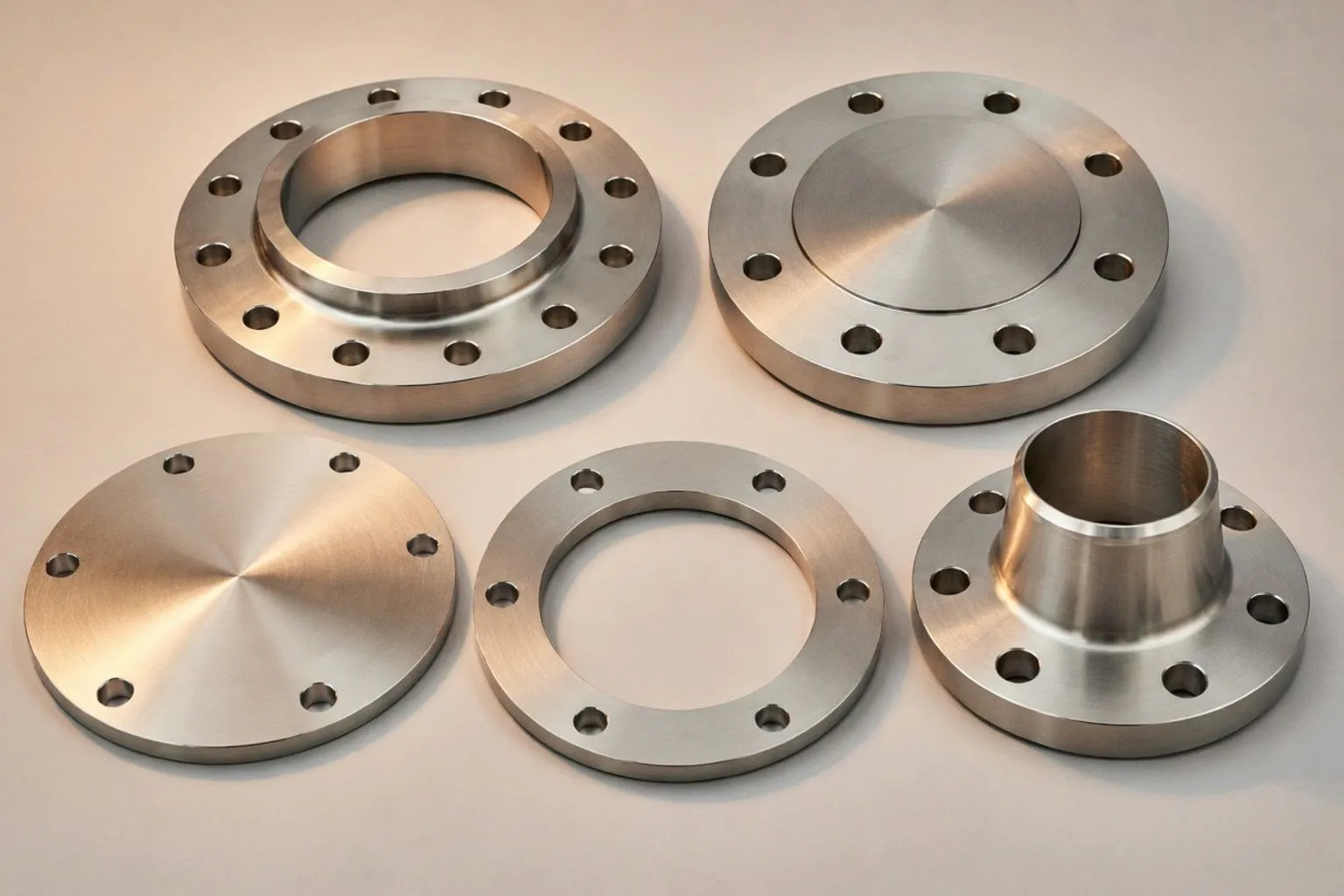
If you've ever stood in a mechanical room at 6 a.m., wrench in hand, with a job ticket that just says "replace leaking flange on potable water skid" — you already know the small frustration we're talking about. You roll under the piping, line up the new flange, and then you flip it over to check the stamp. And the stamp doesn't say what you needed it to say. That's the moment a simple maintenance task turns into a procurement scramble, a spec mismatch, and a half-day lost while the building's water sits shut down.
What CleanLine actually gives you on the shelf
API International has launched CleanLine, a product line of stainless-steel flanges certified to NSF/ANSI/CAN 61 and NSF/ANSI/CAN 372. In plain terms, these are the two certifications your water authority or plant engineer is going to ask you about when the line on the tag reads "potable" — 61 covers drinking-water safety of components, and 372 covers lead content. If a flange doesn't carry both, it's not really an option for a drinking-water run, no matter how good the metallurgy looks.
The initial offering covers AWWA and ASME configurations, which is the pairing you'll most often meet in practice: AWWA for the larger municipal-style pipework and treatment trains, ASME for the pump, valve and filtration skids that tie everything together.
Why this matters to the person turning the wrench
Here's the if-then most of us live by on the floor: if the flange you grab from the rack is already NSF-certified, then you don't have to pause the job to verify the paperwork, you don't have to call the vendor to chase a cut sheet, and you don't have to explain to a building owner why their drinking-water system is offline while you source a compliant part. The friction shifts from your shift to someone else's inbox — which, for a maintenance tech, is the whole point.
We think about flanges the way we think about any other piece of hardware in the operator's hand. The right tactile feedback, the right bolt pattern, the right certification stamp — those are the things that either let a job flow or interrupt it. A standard stainless-steel flange is nothing special until the day you need it to be documented, traceable, and approved for potable contact. On that day, the difference between a generic part and a purpose-built one is the difference between an eight-hour shift and a sixteen-hour one.
What to watch as the line fills out
For now, the line is described as an initial offering, which means the configuration table is still growing. If you're specifying for a pump skid or a filtration package, this is a good moment to ask your supplier where CleanLine lands in their stock profile and which AWWA and ASME sizes are immediately available off the shelf. Lead times on certified components tend to stretch when demand spikes, and certified stainless is not the place you want to be waiting on a backorder while a water system is open.
We'll keep watching how the catalog expands, but the signal here is worth taking seriously: a manufacturer building a line around the certifications first, and the dimensional standards second, is quietly solving the part of the job that costs you the most time — the verification step that happens before the wrench ever moves.