Why Advanced PPE is Redefining Safety Standards for Industrial Maintenance Teams
The latest MarketsandMarkets projection, as carried by The Malone Telegram, puts the North America personal protective equipment market on a path to USD 31.85 billion by 2030.
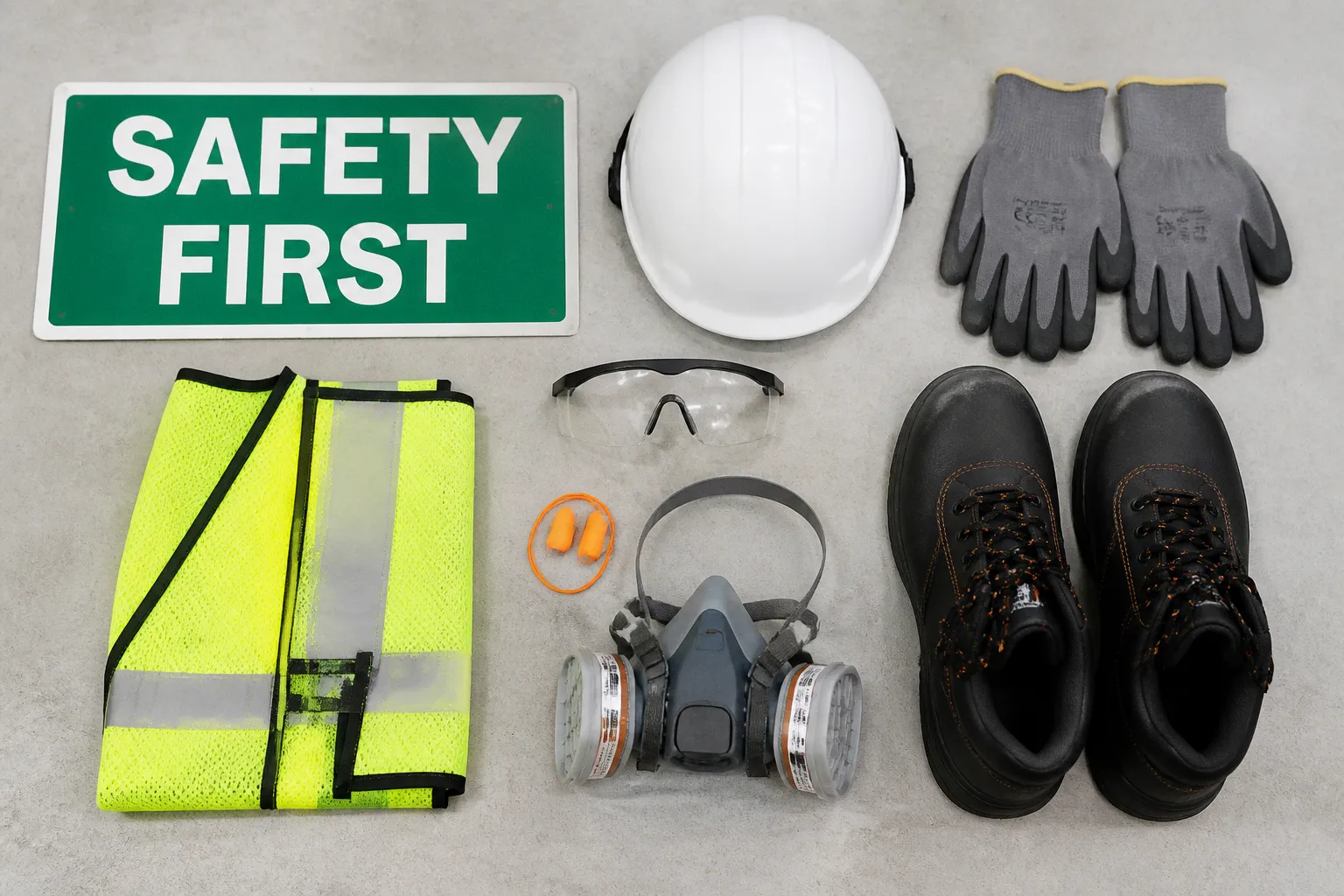
That headline figure matters less to us than the reason given alongside it: growing demand for advanced worker protection. For anyone standing on the floor around pumps, valves, and rotating equipment, that trend quietly reshapes what you actually wear during a shift.
Reading the headline the way a floor lead would
The MarketsandMarkets forecast sizes North America PPE at USD 31.85 billion by 2030. A parallel release carried by WBOC TV puts Asia Pacific at USD 15.30 billion by 2030, framed around rapid industrialization demand. Two regions, two pressures, one direction of travel: more spend on what keeps a worker in one piece.
The word to watch here is advanced. It hints that procurement is moving past the cheapest compliant glove on the spreadsheet and starting to ask the second question — "and does the person wearing it actually feel the work?"
Why this lands on the pump room and the valve bench
If you've ever watched a maintenance tech lean over a centrifugal pump with a wrench in one hand and a rag in the other, you already know that "PPE" is not a single line item. It's a layered system — gloves that still let you feel a bolt threading, glasses that don't fog when you're crouching next to a hot casing, hearing protection that doesn't swallow the audible cue of a bearing starting to fail. Operator fatigue lives or dies in those details.
So when a market report tells us demand for advanced protection is climbing, we read it as a signal that buyers are starting to care about tactile feedback, breathability, and weight — the variables that decide whether a worker keeps the kit on for the full eight hours or quietly takes the ear defenders off at hour four.
What to watch from here
The full report isn't in front of us, so treat the headline figure as a direction rather than a map. What we will be watching is whether the advanced framing actually shows up in the spec sheets our suppliers start sending through the door, and whether the next generation of gloves, eyewear, and hearing solutions survives a real shift in a pump house. If it does, the kit you're wearing at 2 a.m. next to a valve train will be quietly better than the one you wore last quarter — and that, more than any billion-dollar number, is what these reports are really about.