Brimis Engineering Becomes Exclusive South African Partner for SchuF Group Valves
According to Engineering News, that's the kind of friction the recent appointment of Brimis Engineering as the sole authorized distributor and service agent for the SchuF Group in South Africa is built to address.
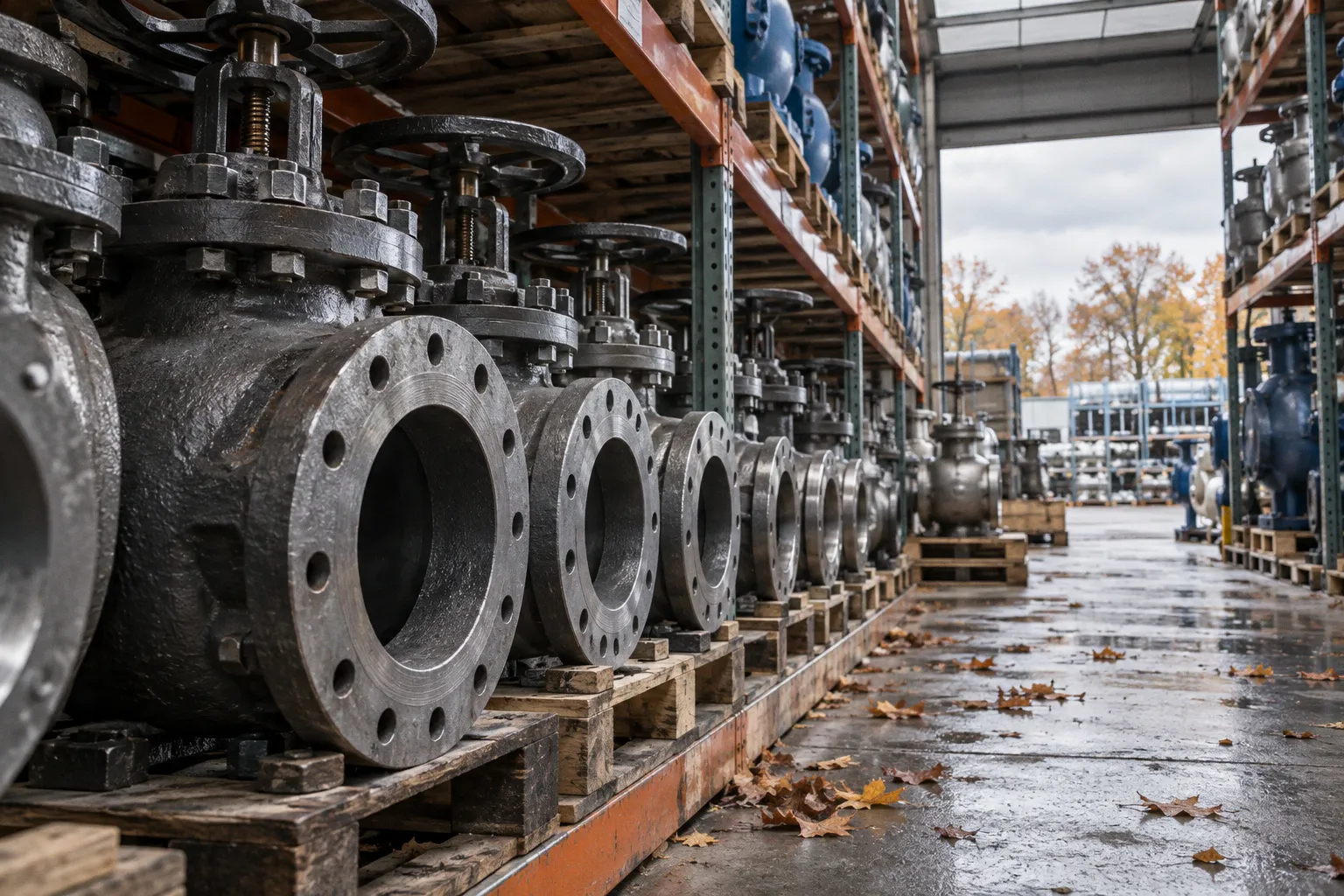
Picture the moment: a maintenance lead is mid-shift, a severe-service valve starts weeping, and the closest person who really knows that trim set is a technical contact twelve time zones away. We've all been in that version of the shift — or heard about it from someone who has, watching a 30-minute repair stretch into a 30-hour scramble. According to Engineering News, that's the kind of friction the recent appointment of Brimis Engineering as the sole authorized distributor and service agent for the SchuF Group in South Africa is built to address. Brimis has been entrusted with promoting, distributing and supporting products from the SchuF/SNRI Group within the South African market, covering severe-service specialty valve portfolios across the SchuF, Fetterolf, SNRI, and La TechnoValvo brands.
What the portfolio actually covers
If you've ever stood in front of a valve that handles something nasty — high-temperature slurry, polymer melt, corrosive catalyst — you've been in the territory this portfolio was designed for. Severe-service duty is not where you want to be improvising with a generic part, and until now much of the SchuF family was sourced through international stocking partners. Under this agreement, Brimis now holds the local line on four specialty brands, which means spec sheets, trim selections, and overhaul procedures sit behind a South African desk rather than an inbox in Europe.
For you on the ground, that shift changes three things at once: how fast a quote comes back, how fast a service engineer can reach your site, and how fast a worn seat kit clears customs. It's the practical difference between a planned turnaround and a controlled shutdown.
What to verify before you spec
Here's the practical checklist we'd walk through if we were the engineer writing the requisition this week. First, confirm with Brimis directly which of the four brands — SchuF, Fetterolf, SNRI, or La TechnoValvo — actually maps to your service envelope; severe-service catalogues overlap heavily, and the right fit is rarely the most familiar name on the page. Second, ask about local stock holding for the trim kits you cycle through most, because "sole agent" and "local shelf" are not the same thing on day one of an appointment. Third, request the service escalation path in writing — who answers the phone at 02:00 when a tank-farm valve won't reseat, and what the documented response time actually looks like.
We'd also push on the documentation side: legacy SchuF/SNRI drawings, IOM manuals, and the failure-mode records your maintenance team relies on for predictive work. A distribution change is precisely the moment when that institutional memory either stays clean or gets scattered, and the operator on shift feels the difference months later.
How this lands for the worker on the tool
The honest framing is that a sole-agent announcement is a commercial event, but what we really care about is the next unplanned stop. When the next severe-service valve misbehaves on your watch, the question is whether the path back to a competent hand — a rebuilt actuator, a matched trim kit, an engineer who has seen this exact failure mode — is shorter than it was last quarter. That's the daily texture of the work, and it's what this kind of appointment is meant to improve.
For now, the move worth making is straightforward: introduce your procurement and maintenance leads to Brimis, pull the current valve register, and flag the assets that fall inside the SchuF, Fetterolf, SNRI, and La TechnoValvo portfolios. That gives you a clean baseline before any next round of spares or service work goes out the door.