EG Valves Upgrades Severe-Service Hardware with Advanced Metal-Seated and Low-Emission Designs
According to EIN Presswire, EG Valves has rolled out advanced metal-seated and low-emission valve technologies built for high-pressure steam, hydrocarbon, and chemical service — the environments…
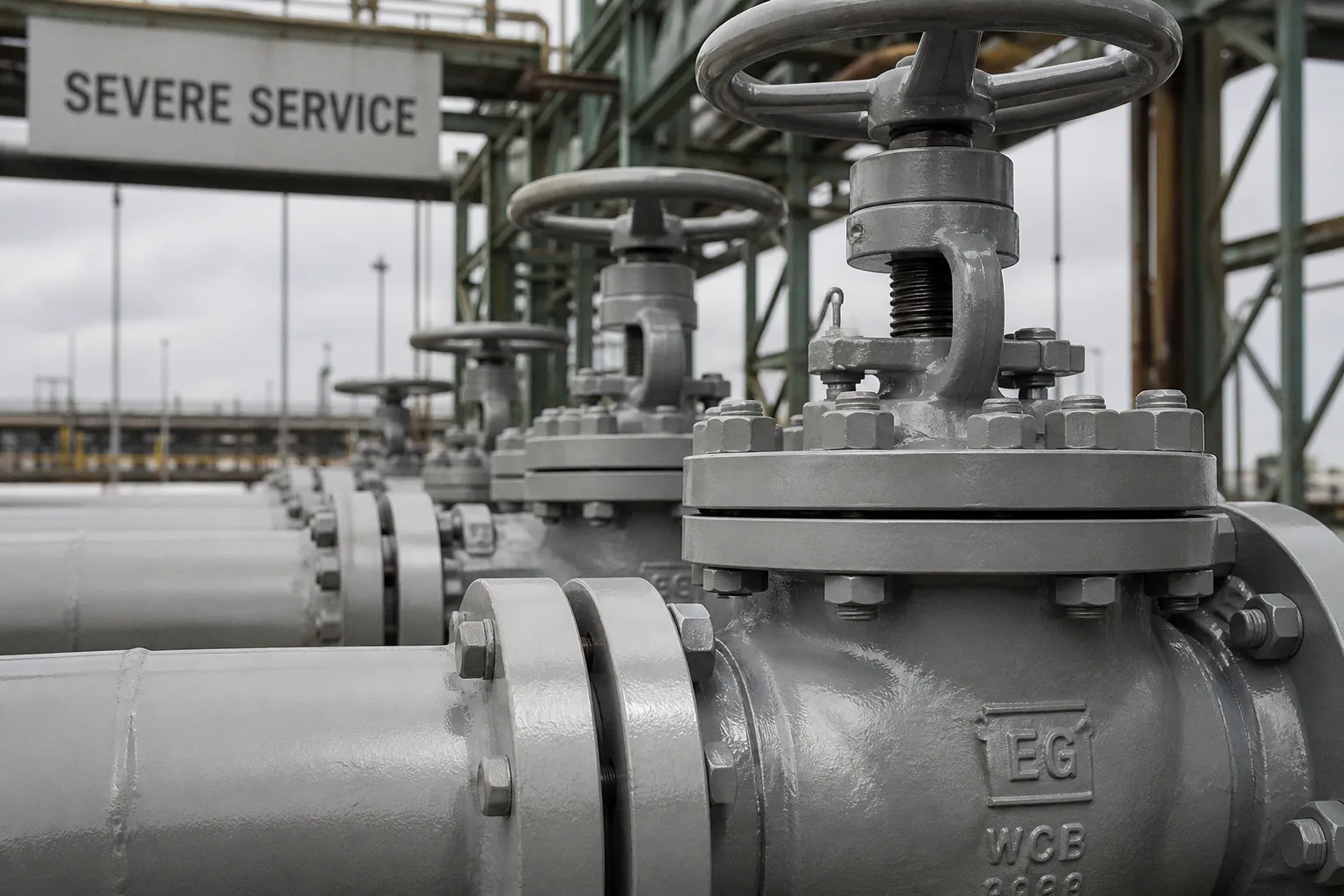
You know that moment on the floor when you're staring at a valve body mottled with scale and wondering whether the next tightening will hold through the next heat cycle — or whether you'll be back here at 2 a.m. swapping a packing set? That persistent, low-grade anxiety is exactly the kind of real-world friction two recent product launches aim to resolve, and both are worth your attention if you're specifying hardware for severe-service or wastewater duty.
Metal Seating That Actually Withstands the Shift
According to EIN Presswire, EG Valves has rolled out advanced metal-seated and low-emission valve technologies built for high-pressure steam, hydrocarbon, and chemical service — the environments where soft seats give up and you end up babysitting leaks. The company reports integrating hardfacing alloys and low-leakage packing systems into the design, which, if you've ever dealt with fugitive-emission audits, you already know is the difference between a clean compliance report and a remediation plan nobody wants to fund.
What caught our eye here is the target application envelope. Severe service means thermal cycling, abrasive media, and pressure swings that punish every material choice. If the hardfacing alloys perform as described, operators downstream of reformers, cracking units, or high-pressure steam headers could see fewer unplanned interventions — and that translates directly into less fatigue on the maintenance team. We'd want to see independent cycle-test data before reworking a spec sheet, but the direction is right.
Flomatic Tackles a Quieter Problem: Air in the Line
On the wastewater side, Flomatic has introduced the Sewair-Combo NXC — a combination air valve designed to manage trapped air and vacuum conditions in force mains. If you've ever watched a high-point air pocket choke flow and spike your pump load, you know this isn't a glamorous problem, but it's one that erodes efficiency every single shift. The NXC handles three functions in a single unit: releasing large air volumes during line filling, admitting air during draining or sudden interruptions, and venting smaller trapped air under operating pressure.
The specs give it a working range of 3 to 230 psi and temperatures up to 140 °F, with a ductile iron body, powder fusion-bonded epoxy coating, and a 316 stainless steel float. The detail that stands out for anyone who's scraped grease out of a valve body is the sloped, funnel-shaped lower section — Flomatic's design choice to reduce accumulation where material likes to settle. Two cleanout and drain ports add servicing access, which matters when you're working around sewage and trying to keep the disassembly step as brief as possible. As with any new design, long-term field data will tell the real story, but the intent addresses a genuine operator headache.
What to Watch Next
If you're evaluating either of these for a project, the practical move is straightforward: request field-installation case studies and, where available, third-party test results before committing to a specification change. For EG Valves' metal-seated line, ask about hardfacing alloy composition and leakage-rate data across your actual temperature range. For the Sewair-Combo NXC, ask how the funnel-body design performs after twelve months of duty in a comparable wastewater profile — grease characteristics vary wildly between facilities, and what looks clean on a test bench doesn't always stay that way on the ground.
Both developments signal the same broader shift: manufacturers are listening more closely to what operators and specifiers actually deal with during a shift, not just what looks good on a datasheet. That's a trend worth tracking.