Dover Expands Cryogenic Valve Portfolio with Leistung Engineering Acquisition
According to reporting from Stock Titan, Dover just put a pen to a definitive agreement to bring Leistung Engineering — an India-based cryogenic valve maker — inside its OPW Fluid Transfer Solutions business.
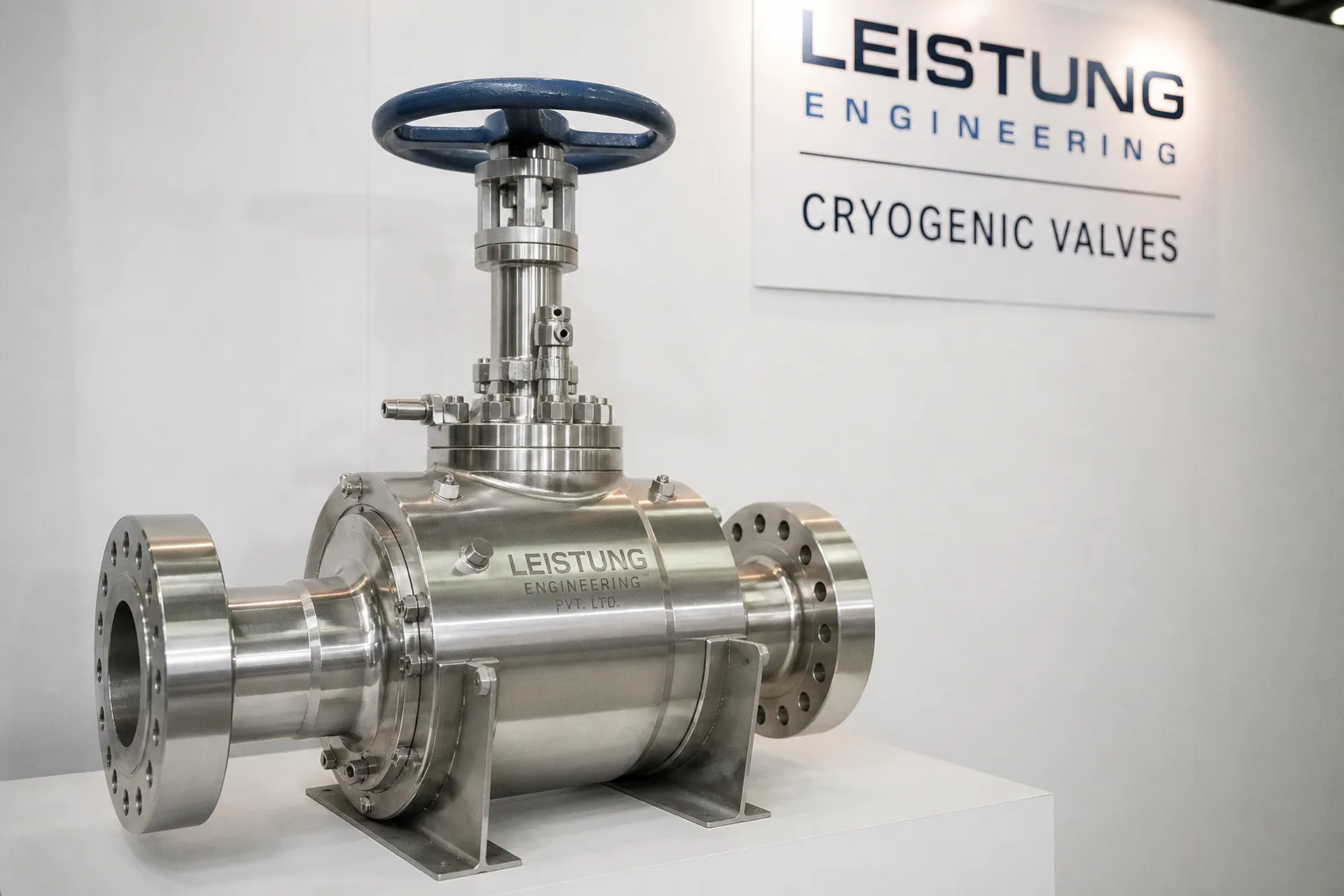
For anyone who specs, installs, or services valves in LNG, industrial gas, or other low-temperature process lines, this is the kind of consolidation that quietly reshapes what's sitting on the shelf next quarter — and who you call when something on that shelf fails in service.
What the deal actually moves
The acquisition is aimed at expanding Dover's cryogenic offerings and adding a manufacturing footprint in India. Leistung doesn't show up as a standalone brand in this picture — it folds into OPW, which already handles fluid transfer hardware across fuel, chemical, and industrial markets. So if you currently source cryogenic ball valves, globe valves, or check valves through either side, expect a near-term conversation about how catalogs, part numbers, and SKUs get merged.
What it feels like on the floor
Here's where we live, on the ground. Cryogenic valves aren't commodity hardware. The operator turning the handwheel on a low-temperature transfer line is wearing cryogenic gloves, watching for ice build-up on the stem, and listening for the telltale chatter of a seat that's starting to wear. Tactile feedback at those temperatures is muted — metal contracts, seals stiffen, and a valve that felt smooth at room temperature can bind once the line is fully cold-soaked. The design choices a manufacturer makes around stem geometry, bonnet sealing, and body materials are the difference between a shift that ends with everyone going home, and one that ends with a maintenance crew huddled around a depressurized line in the cold bay.
When a manufacturer like OPW absorbs a specialist, what we usually see over the next 12 to 24 months is standardization of service kits and torque procedures — which is good for the technician who only carries one set of spares. It can also mean a quieter phase where legacy tooling goes into a "while stocks last" cycle while the parent group reissues documentation under new part prefixes. That's the part to plan around.
What to watch before you spec the next replacement
- Closing timeline. Definitive agreements don't always move at the speed of a press release; ask your distributor when their pricing and lead-time sheets actually update.
- Catalog overlap. If you currently source from both Dover's cryogenic line and Leistung directly, map your installed base now so you're not caught in a forced cross-reference later.
- Service training. OPW's training cadence will dictate whether the hands-on knowledge from the Leistung engineering team stays accessible or gets consolidated into broader programs.
- India footprint. For projects in Asia-Pacific and the Middle East, a stronger Indian manufacturing base can shorten delivery windows on bodies that used to ship from Europe or North America.
On the factory floor, the best deals are the ones an operator never has to think about — the right valve is on the rack, the service kit fits, and the maintenance procedure matches what the technician's hands already know how to do. Consolidation like this can move us closer to that, or it can introduce a year of friction. The next few quarters will tell us which way this one tilts.