Why Grundfos's Mid-Year Growth Matters for Your Maintenance Shelf
When an operator notices a pump running hot during the third hour of a shift — that vibration under the palm, that hum climbing half a pitch higher than yesterday — they're already halfway to losing a production run.
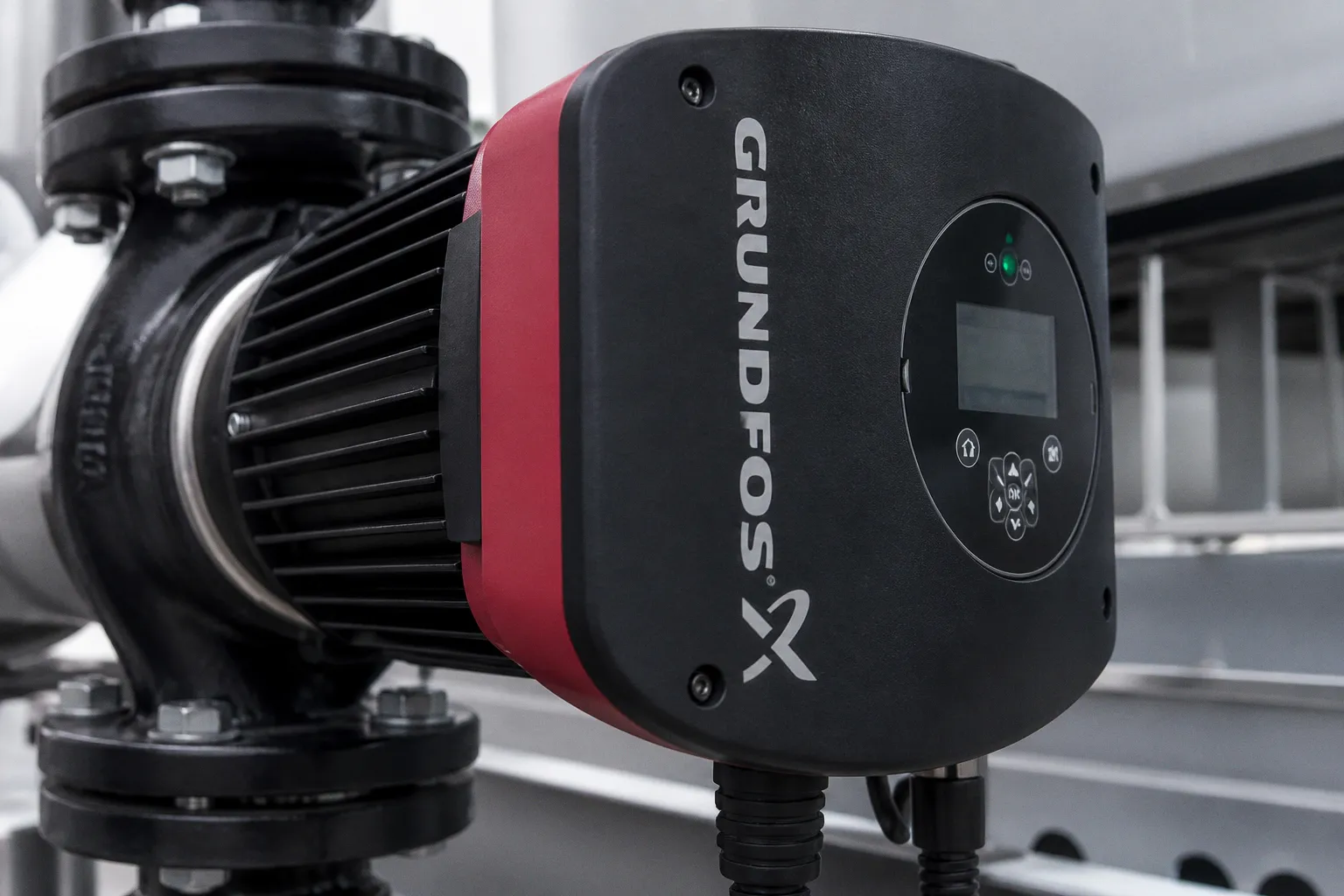
So when Grundfos publishes a half-year result like the one just released — 7.7% sales growth in local currencies and revenue of 17.9 billion DKK, with profitability held against rising raw material costs — the practical question for those of us on the receiving end is what sustained vendor health actually buys you at the maintenance shelf. A manufacturer healthy enough to keep investing through commodity pressure is, in our experience, a manufacturer whose parts catalog and service network stay intact through the back half of the year.
What a "healthy half" looks like from the receiving dock
You feel vendor health long before you read a press release. It's the mechanic on second shift who pulls a replacement seal off the shelf without paging anyone, and it's the OEM service rep who actually returns the call within a business day. When a pump manufacturer reports it kept margins intact while passing higher raw-material costs through, the reading for us is straightforward: the company did not have to strip its service organization to keep the books clean. For the people ordering parts at 4 p.m. on a Friday with a leaking pump on line three, that is the signal worth tracking.
The 17.9 billion DKK in revenue is large enough to underwrite continued R&D, which is where the tactile-feedback refinements you only notice after a year of use actually come from: better-balanced impellers, quieter bearings, the small geometry changes that reduce operator fatigue over an eight-hour run. If you're standardizing on a brand, a growth year like this one reduces the risk that the model you spec today quietly becomes a discontinued orphan two product cycles from now.
What to verify before you spec your next pump
If you're drawing up a retrofit list for the second half of 2026, run through three small checks before the order goes in.
First, confirm that the specific SKU and its service kit are both listed as active in your region — a strong half for the group does not guarantee every legacy variant stays on the price list. Second, ask your distributor about lead times for the next quarter; a 7.7% growth headline often translates into longer factory lead times on the popular frames, because the same momentum that lifted revenue is the same momentum pulling units through the channel. Third, if you're weighing a switch to a competitor offering aggressive discounting, weigh that discount against the parts-and-service footprint you're used to operating inside. The cheap pump is rarely cheap once you add the operator hours spent hunting for gaskets.
What this changes for the operator's day
None of this moves the needle on the person standing next to the pump at 6 a.m. with a clipboard. What does move it is the cumulative result of a manufacturer that kept its footing: spare parts still on the shelf next quarter, service documentation that still gets updated, a hotline that still picks up. That is the real-world context where these earnings reports eventually land — not in the spreadsheet, but in the half-second a tech spends choosing between a quick repair and a long one. If your standard pump brand just put up a half-year result like this one, that half-second is probably about to get a little shorter.