Expert Guide to Installing Grundfos Recirculation Pumps for Instant Hot Water
A recent piece on fuelcarmagazine resurfaced the topic of getting a Grundfos comfort recirculation pump dialed in on a water heater loop, and we found ourselves right back in a familiar scene — the…
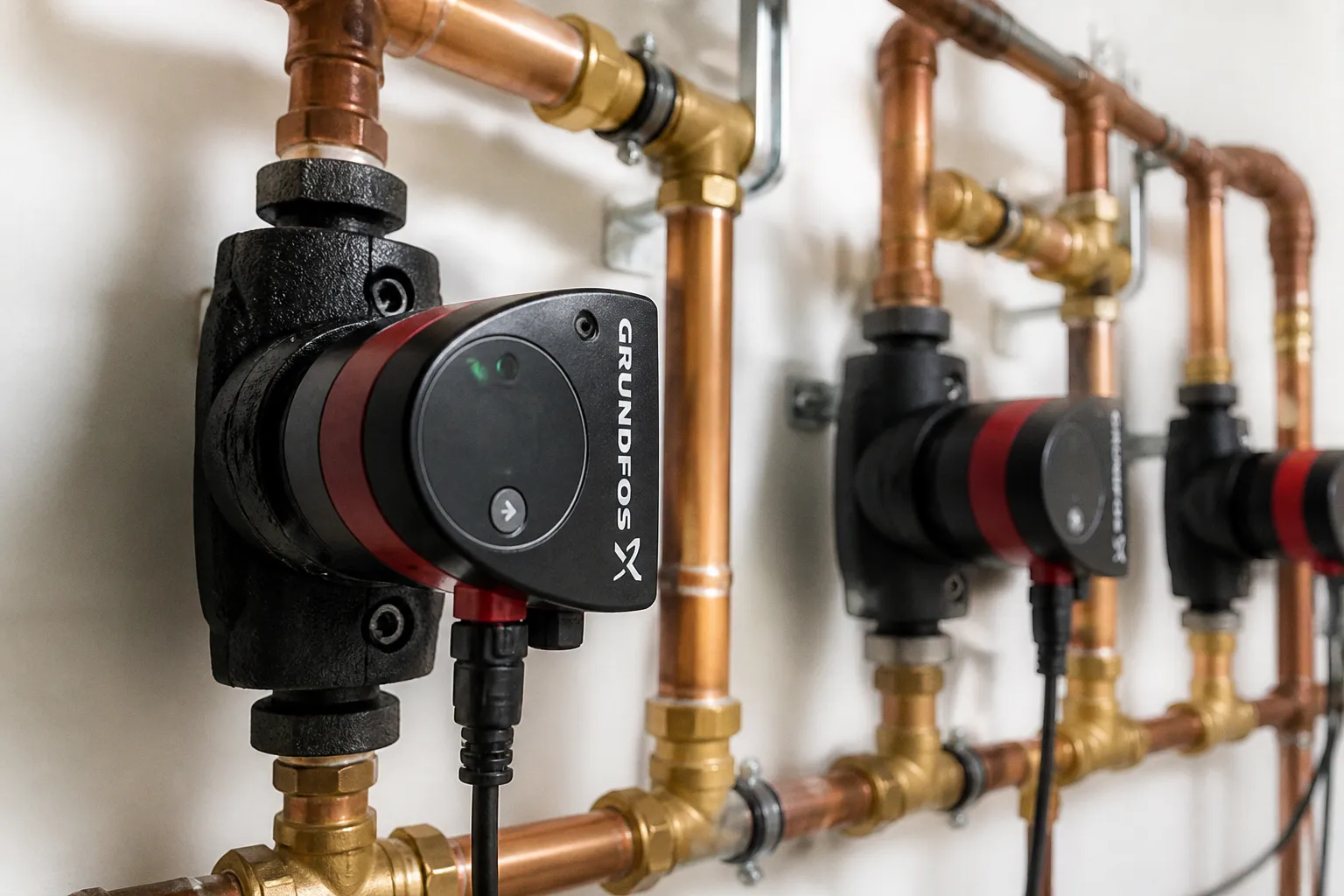
A recent piece on fuelcarmagazine resurfaced the topic of getting a Grundfos comfort recirculation pump dialed in on a water heater loop, and we found ourselves right back in a familiar scene — the late-shift callback where the homeowner is frustrated because the kitchen tap takes nearly a minute to deliver hot water. We want to walk through what actually matters on the ground when one of these units lands in front of you, because the brochure and the install rarely feel like the same product.
Reading the loop before we cut a pipe
When a comfort pump is meant to fix that long-wait complaint, the first job is reading the room rather than the spec sheet. If the loop runs through a slab with a long horizontal stretch, then the pump belongs on the return side, not the supply — a placement the homeowner will feel within a day. If there is an existing check valve, we check that the spring side supports recirculation flow, because a pump pushing against a closed door is a pump that fails quietly. We also trace the nearest power outlet: a cord stretched across a utility room is a cord someone will eventually unplug while sweeping the floor, and the loop dies with it.
Mounting height is the detail installers tend to underweight. A pump trapped at the high point of the loop will hold air and complain about it for years; we aim for the lowest practical point on the return, just above the water heater connection, so any trapped air drifts back up and out instead of camping in the impeller chamber. None of this is glamorous work, but it is the difference between a quiet install and a callback we did not need.
What a good install feels like afterward
Once the valves are cracked and the loop is filled, the real test is tactile. Place a hand flat on the pump body. A properly sized unit on a domestic loop should feel like a low, steady hum, closer to a phone on silent than to a countertop blender. If it is rattling, that is usually air in the chamber or a mounting foot that has not seated against something solid. If the housing runs hot to the touch after ten minutes, the head is wrong for the system and the conversation changes fast.
Then we walk the loop with the homeowner. Open the farthest fixture cold, then hot, and time it. A well-tuned comfort loop should deliver usable hot water in a few seconds at the most distant tap — not the minute-plus that triggered the call. If it does not, the usual suspects are a partially closed isolation valve, a check valve spring stuck partway, or a timer that is set so the pump never actually runs when the homeowner needs it.
The texture of a quiet mechanical room
What we appreciate about a properly installed comfort pump is how invisible it becomes. The homeowner stops mentioning the wait, stops thinking about the water bill, and the service tech stops getting the same Tuesday-morning phone call. For the installer, the win is not a flashy spec line; it is a mechanical room that hums along unnoticed and a customer who does not remember your name because nothing went wrong. That is the real-world outcome we are chasing every time we touch one of these loops.