John Crane Secures Six-Year Reliability Partnership for 1800+ Refinery Pumps
According to International Business Magazine, John Crane — the flow-control specialist and Smiths Group business — has just renewed a long-term agreement that keeps more than 1,833 of those pumps…
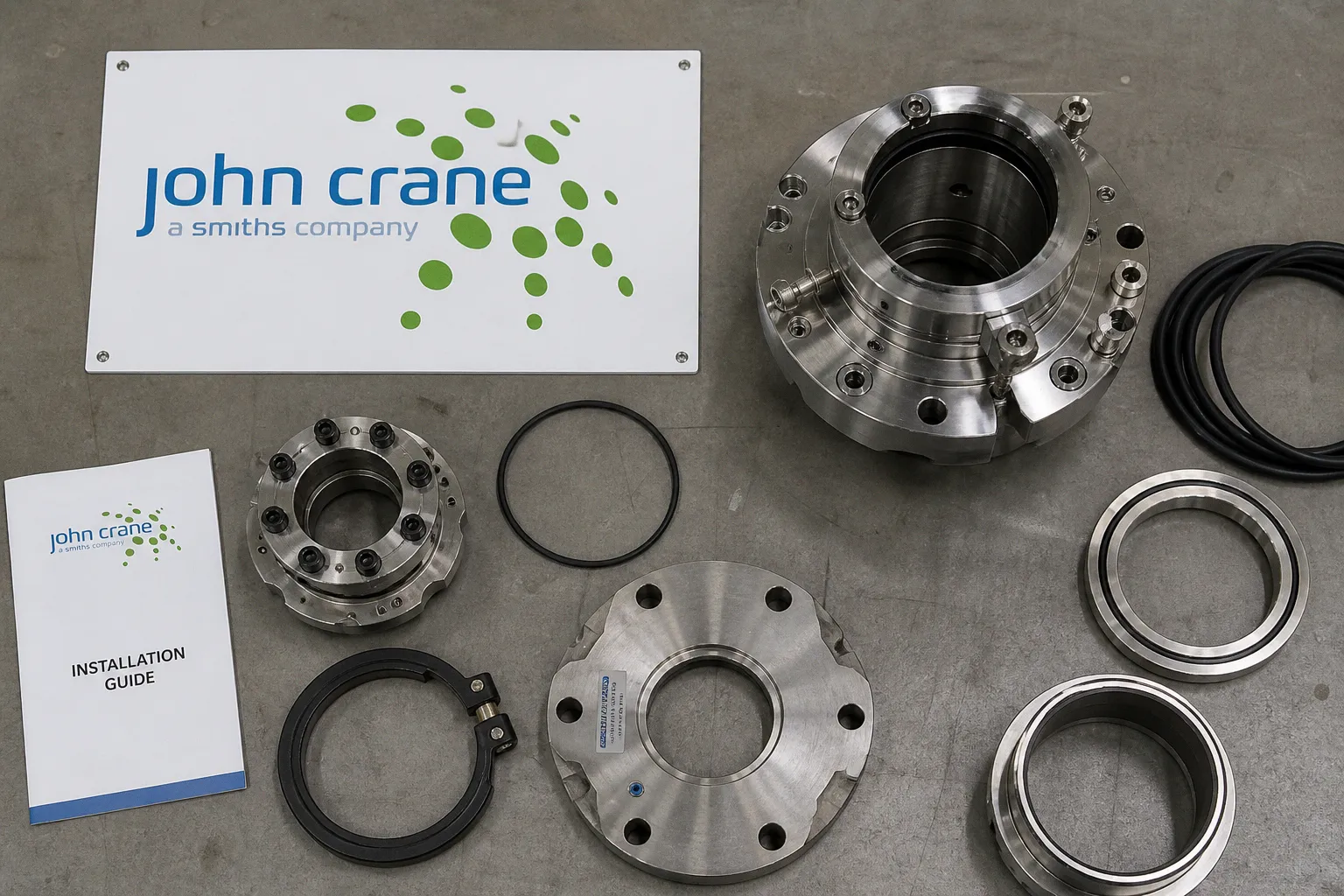
It's the third hour of a twelve-hour shift, and somewhere in the unit a pump has started singing the wrong note. That high-pitched whine is the sound an operator learns to dread, because within hours it can mean a seal gone bad, a production drop, and a frantic call for maintenance. According to International Business Magazine, John Crane — the flow-control specialist and Smiths Group business — has just renewed a long-term agreement that keeps more than 1,833 of those pumps running smoothly at a major refinery in the Kingdom of Bahrain.
The six-year renewal in practice
The new Managed Reliability Program, or MRP, is not a standard repair contract. We are talking about a six-year commitment where John Crane embeds reliability engineers and technicians on site, while ServiceMax™ digital monitoring watches equipment performance in real time. If a pump starts drifting toward failure patterns the system has seen before, the team can intervene before the seal lets go — and before the operator on shift loses an hour chasing the fault through the unit.
The scope is broader than most operators might expect: mechanical seal repair and upgrades, obsolescence management, inventory optimization, and technical training for the in-house crew. The commercial model is fixed-fee, tied to measurable reliability gains, which means the vendor's incentive is to stop failures rather than bill for them. Tactile feedback, in this context, is less about a knob under your thumb and more about whether the asset feels predictable to the hands and ears of the people who run it every day.
What this means on the shop floor
Over the six years, the refinery is aiming at roughly 7.5% reliability improvement on established assets and a 150% improvement on newer ones. On the ground, that means fewer unscheduled shutdowns, fewer 3 a.m. work orders, and a real dent in the kind of operator fatigue that builds up across a week of small emergencies. For you as the operator or maintenance planner, it shifts the day from firefighting toward the work you were actually hired to do.
It also matters at a wider scale. The International Energy Agency expects the Middle East to add roughly 860,000 barrels per day to global refined-product supply through 2030. Every pump that runs reliably contributes to that, and every pump that fails quietly drags the number down.
What to watch for in your own plant
If you are running a similar facility, the pattern here is worth noting. The shift from reactive repair contracts to outcome-based reliability programs is no longer experimental — it is becoming the default for operators who must manage aging assets alongside modernized units without losing control of maintenance budgets.
The question worth asking your own reliability team: do we still pay for repairs, or do we pay for uptime? The answer changes how you design the operator's day, and ultimately, how reliable that day feels.
"Refineries must operate safely and continuously while controlling costs and meeting customer demand," said Amjad Al Qaqaa, Vice President for Middle East, Africa & India at John Crane. "This partnership is built around preventing problems rather than waiting for equipment to fail. By combining on-site engineering expertise, digital insight and shared performance targets, we can help our customer reduce disruption, improve availability and make better long-term decisions."
That framing — shared targets, shared risk — is the part that changes the worker's experience. When the vendor and the operator both win by keeping equipment healthy, the shift stops being a sequence of emergencies and starts becoming a sequence of routines. And that, more than any spec sheet, is what good service design should deliver to the person standing next to the pump.