Redefining Flow Control: The Rise of High-Precision Ball Valves
According to Fluid Handling Magazine, a new ball valve design is hitting the market with a promise that matters to anyone who's wrestled with a control valve at the end of a long shift — precise and…
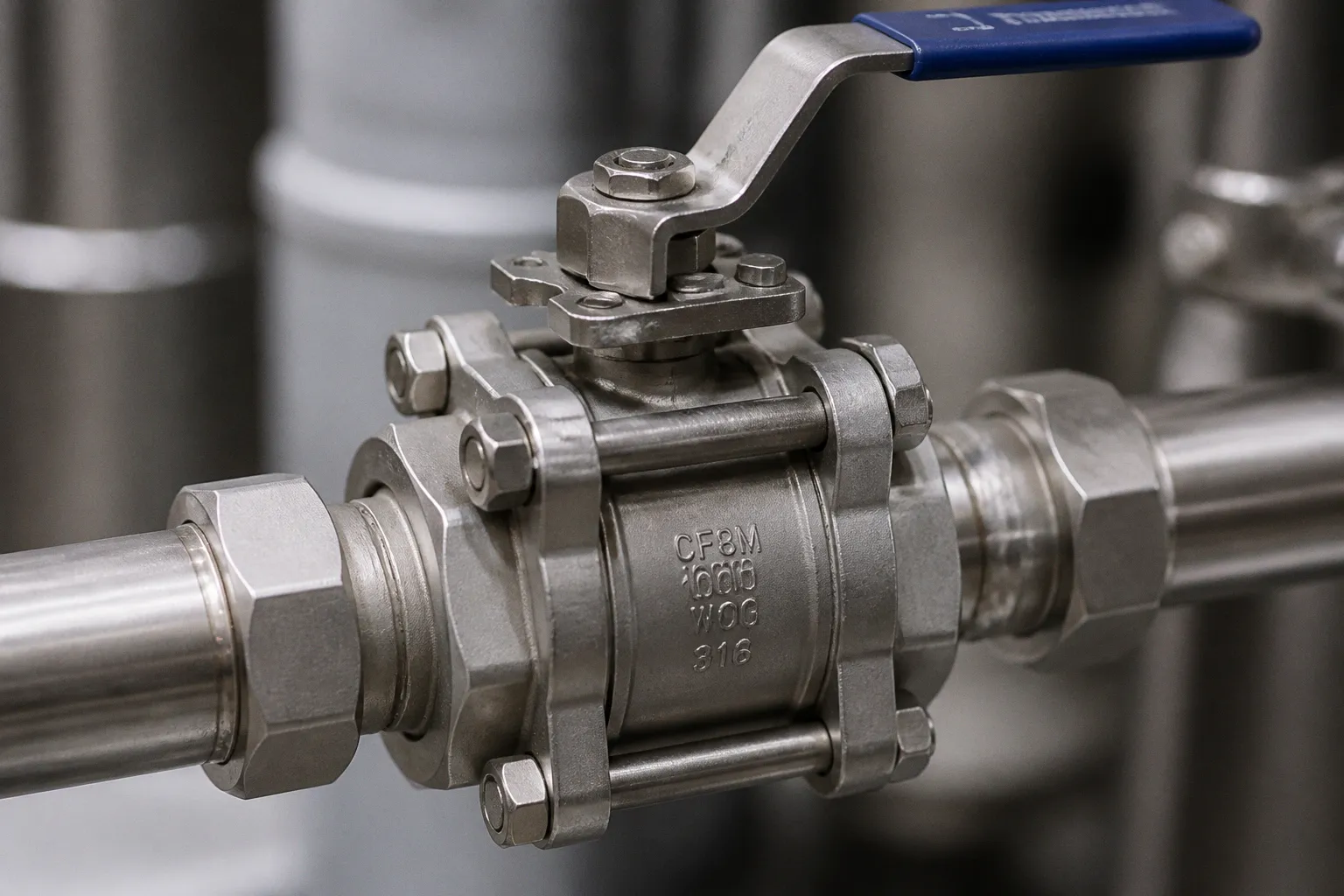
According to Fluid Handling Magazine, a new ball valve design is hitting the market with a promise that matters to anyone who's wrestled with a control valve at the end of a long shift — precise and reliable flow control at a lower cost than traditional control valves, aimed at water treatment, power generation, oil and gas, and chemical processing. On the ground, that claim translates into something practical: a lighter feel in the hand, fewer calibration cycles, and a smaller maintenance footprint for the procurement teams who are already being asked to do more with less. It's the kind of design shift that, if it holds up in the field, could quietly change how we spec valves for the next decade.
What changes when a ball valve starts behaving like a control valve
The headline detail is straightforward: a new ball valve design offers precise and reliable flow control at a lower cost compared to traditional control valves. The design targets water treatment, power generation, oil and gas, and chemical processing — four sectors where we see procurement teams constantly weighing capital cost against service-life cost.
If you've ever stood on the platform trying to make a fine adjustment while a downstream process waits, you already know why this matters. Traditional control valves are the workhorses of precise flow regulation, but they come with a price — both at purchase and in maintenance. A well-engineered ball valve that can step into that role doesn't just save money on the invoice. It can mean fewer calibration calls, fewer shutdowns, and less operator fatigue across the shift.
The bigger map: who is buying whom in fluid handling
We don't want to read this in isolation. The same week that this ball valve design surfaced, the broader pipeline equipment market was reshuffling. Xylem announced it has entered into an agreement to acquire the Cornell Pump and Roper Pump businesses from Indicor for $1.46 billion, expanding Xylem's ability to serve a broader range of mission-critical industrial applications. In a separate move reported by Processing Magazine, MFG Chemical acquired AP Tech, a supplier of solid chemistry solutions for industrial water treatment, adding solid chemistry capabilities to MFG Chemical's existing liquid water treatment products.
Read together, these moves sketch a map worth keeping in your pocket: capital is flowing toward companies that can offer more complete fluid handling stacks — pumps, valves, and the chemistry that runs through them — under fewer vendor relationships.
What to watch on the ground
If you're sourcing valves for a plant or a project, the practical question is whether this new ball valve design can hold its precision claim after six months of cycling, not just on day one. Ask for the torque data, the seat wear curves, and the field references in your specific application. If you're a procurement director, the Xylem–Indicor and MFG–AP Tech deals are signals that bundle pricing and single-vendor accountability are getting more attractive. And if you're an operator on the platform, the design we ultimately spec is the one that lets your hands stop fighting the handle — that's the real-world context behind every "better valve" headline.