Finish Thompson SP Series Pumps: Solving Chemical Transfer Challenges
According to Processing Magazine, Finish Thompson Inc.
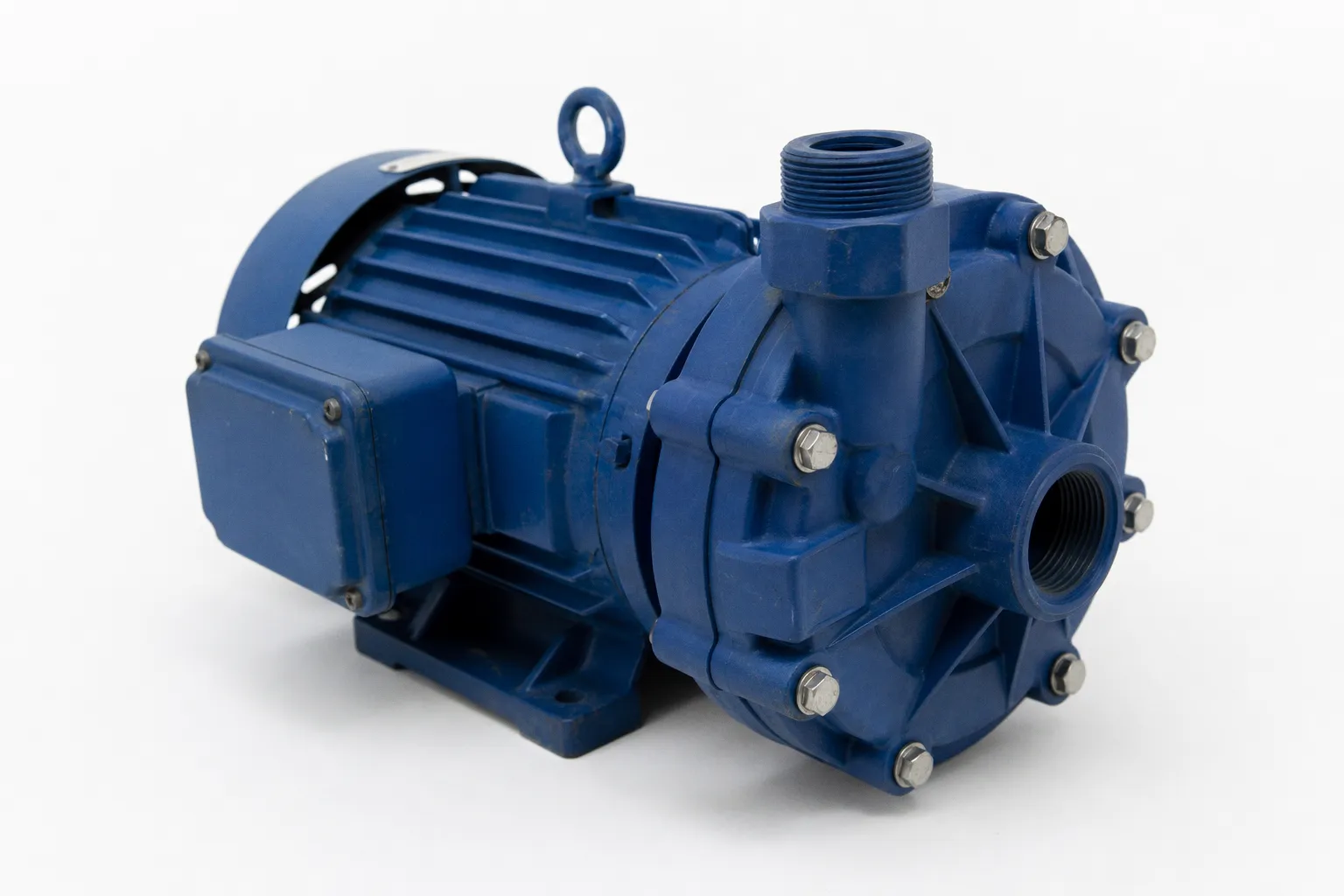
has been highlighting its SP Series self-priming magnetic-drive pumps — units built specifically for moving corrosive chemicals and dense fluids without the usual priming ritual. For anyone who has spent a shift fighting with a stubborn foot valve or watching a manual prime refuse to hold, that is a meaningful shift on the ground.
Where the friction actually lives
If you have ever watched an operator hunched over a pump at the start of a shift, waiting for a prime to grab — or worse, running back and forth between the pump and a vacuum assist because the seal keeps weeping — you already know why this category matters. As Processing Magazine describes it, the SP Series pulls 18 feet of prime in about 90 seconds and can lift from deep sumps up to 25 feet. That geometry means the pump can sit dry, above-grade, in places where a standard end-suction would need to be drowned in piping just to cooperate. On a real plant floor, it translates into fewer wet pits to maintain, fewer confined-space entries to schedule, and a lot less operator fatigue at 6 a.m.
What the sealless design quietly buys you
The mag-drive architecture is the part that pays dividends across a maintenance calendar rather than on a spec sheet. There is no mechanical seal to chase, no slow drip of aggressive chemistry onto the deck, and — importantly for the people running the line — run-dry tolerance when a tank runs empty or someone misreads a level. Layer that onto FTI's claims of roughly 30 percent lower maintenance costs and startup times up to 50 percent faster than primed end-suction pumps, and the case becomes less about flashy numbers and more about fewer 2 a.m. calls and a calmer weekly walkdown. The ability to pull from the top of rail cars and tanker trucks also keeps hands and hoses further from the fluid, which is the kind of detail a safety committee notices immediately.
What to check before you spec it
Before you slot one into your next tank-farm or rail-unloading sketch, walk your own duty cycle honestly. If your operators routinely pull from the top of tankers and rail cars — exactly what the SP Series is designed for — and if your site has deep sumps or above-grade constraints, this geometry starts to make real sense. If your process is gentle, low-lift, and you already have a priming routine that nobody complains about, the ROI story gets thinner fast. Worth pressing FTI directly: chemical compatibility against your specific fluid list, NPSHa at your worst-case temperature, and what the 30 percent maintenance figure is actually benchmarked against in their own field data. The promise is strong; the answer on your bench is what counts.