Federal Funding Boosts Critical Infrastructure Upgrades at Tracy Pump Station
According to the Office of Representative Josh Harder, $3 million in federal funding is heading to critical repairs at the century-old Wicklund Cut Pump Station in Tracy, California — and for the…
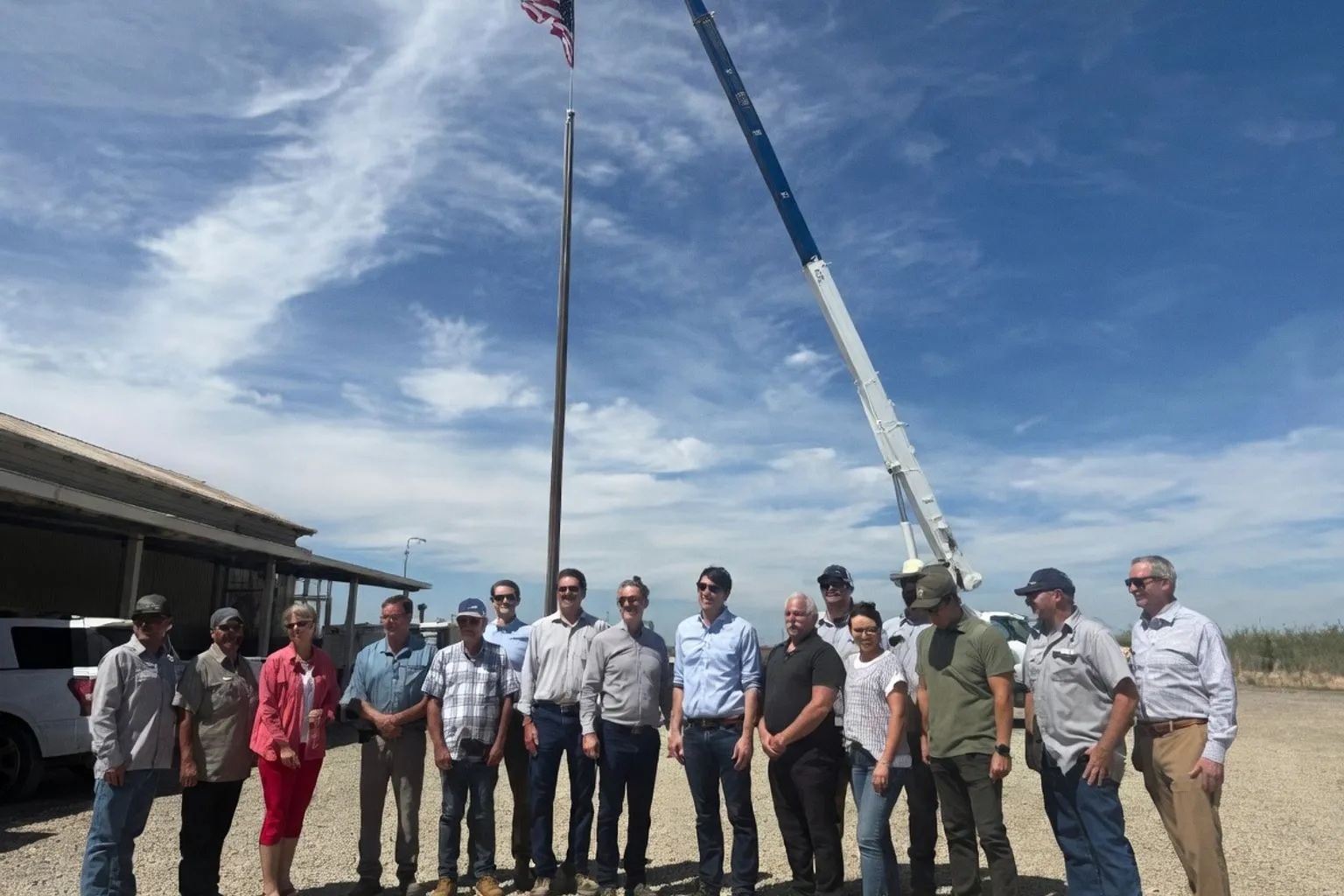
According to the Office of Representative Josh Harder, $3 million in federal funding is heading to critical repairs at the century-old Wicklund Cut Pump Station in Tracy, California — and for the operators who walk those catwalks every shift, that announcement is going to change the texture of their workday. Picture it: a morning round where you're listening for vibration patterns in equipment that's well past its design life, watching gauges that were modern when your grandparents were working, and mentally cataloging which bearing sounds a little too rough today. That's the daily reality the funding is meant to ease.
What the funding actually addresses
The announcement, made by Rep. Josh Harder (CA-09), directs the money toward critical repairs at a facility that moves water across thousands of acres of farmland. As the infrastructure ages, the margin between "running" and "failure" gets thinner every season. The funding covers pump replacement and work to restore power reliability — and notably, it pulls the project start a full year ahead of schedule.
For the operators and irrigation district staff who keep the station running, that timing matters enormously. If a pump fails mid-season, the cascade hits everything downstream: irrigation deliveries to farmland and drinking water to communities like Mountain House, which depend on the Byron-Bethany Irrigation District. Pulling the work forward by a year shrinks that exposure window significantly — and on a station this old, every avoided emergency is also avoided operator fatigue, avoided overtime call-ins, and avoided improvisation with parts that should have been retired years ago.
Why it matters beyond the pumps
The scope goes deeper than swapping out mechanical components. The project is also designed to support energy efficiency and water conservation — on a station this size, that translates into measurable load reductions on the electrical side and reduced losses on the hydraulic side over the equipment's lifetime. New pumps paired with restored power reliability tend to behave like a system, not a swap.
The station isn't just hardware. It's a lifeline. As Rep. Harder put it, "We cannot allow the Wicklund Cut Pump Station to fail. Securing this funding is a crucial step towards getting repairs started ASAP, but we have more work to do to stop a shutoff from happening." BBID General Manager Ed Pattison echoed the same frame, calling the project one that "will modernize aging infrastructure, improve efficiency and help ensure the Wicklund Cut Pump Station continues serving the region for generations to come."
What to watch going forward
For anyone tracking pump station retrofits or large-scale irrigation infrastructure, the practical questions ahead are execution-level: which pump models replace the old units, what the new efficiency baselines look like, and how the district sequences the work to keep water deliveries uninterrupted during the swap. The funding is secured; the on-the-ground implementation is where the next chapter gets written — and for the operators who walk those catwalks, the answer will show up first in the sound the equipment makes when they start their morning rounds.