Solar Water Pump Market Outlook: Key Manufacturers and Operational Trends 2026–2033
A fresh market briefing published on openPR.com is framing the next stretch of solar water pump systems as a "booming" growth window through 2026–2033, with Grundfos, Lorentz, Shakti Pumps, and CRI Pumps lined up as the manufacturers worth watching.
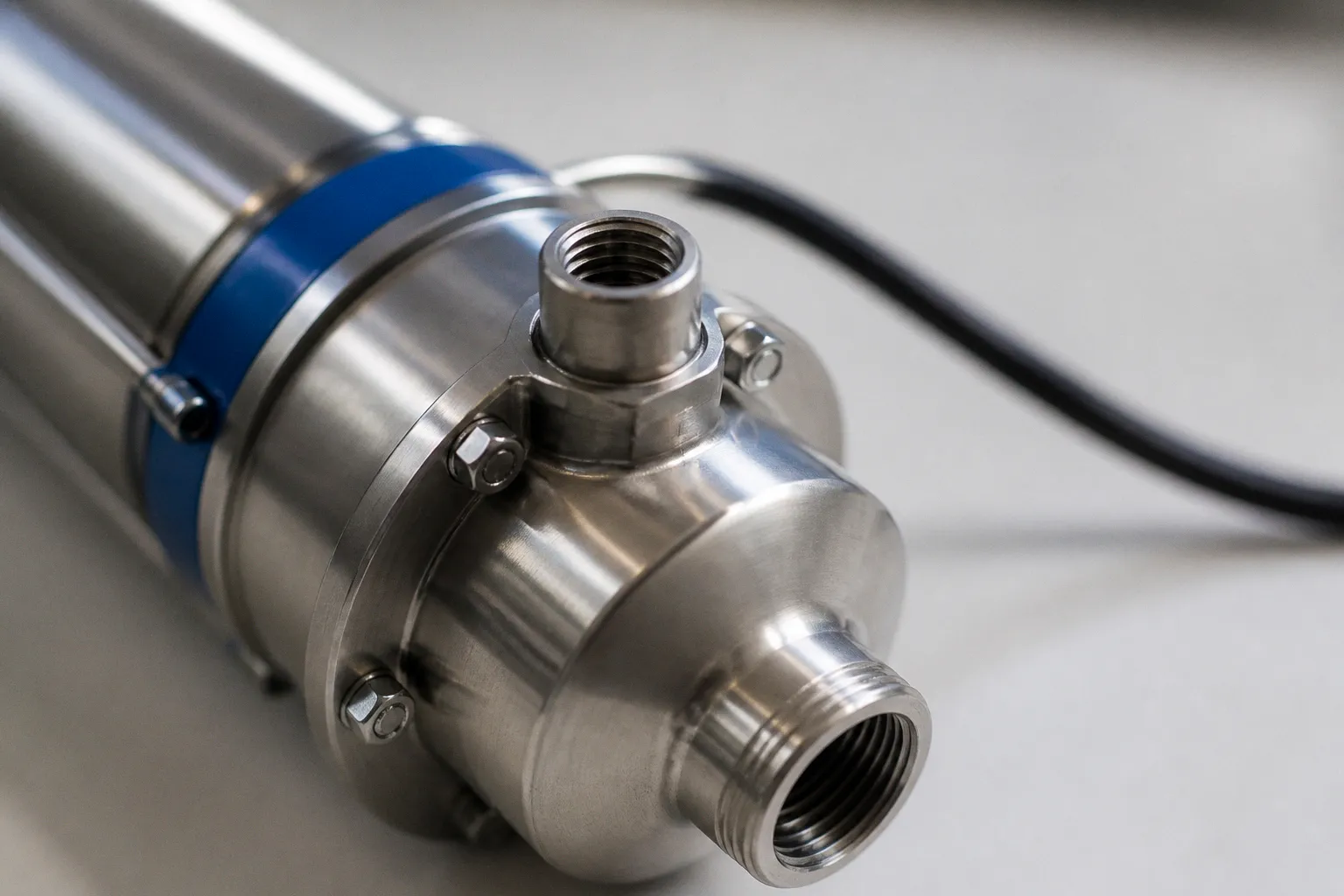
If you've spent any time on a farm site, a remote irrigation install, or a service call in an off-grid community, you've already felt the shift toward pumps that don't depend on a diesel tank or a grid tap — and this is the kind of headline that turns a quiet trend into a real purchasing pattern. We want to walk through what those four names actually mean for the people who spec, install, and live with these machines every day.
The lineup, and why each one shows up differently in your day
Think of the four names on this list as four different worlds colliding on the same job site. Grundfos is the heritage European engineering house — the brand a facilities manager reaches for when they want predictable spare parts and a service network that picks up the phone. Lorentz, by contrast, is a solar-first specialist; you're more likely to meet their pumps on dedicated arrays with matched controllers, where the whole system has been designed around the panel rather than retrofitted.
Shakti Pumps and CRI Pumps are the names that come up when the conversation moves to high-volume agricultural and rural deployments, especially across South Asia. If you're a distributor or an operator in that geography, these are the brands your customers already know — which means the aftermarket conversation (filters, impellers, bearings, controller boards) is shaped by them whether or not you chose them for the original install. The openPR.com briefing rolls them together, but on the ground they answer very different questions: "Will it run through a cloudy week?" versus "Can I get a replacement seal by Friday?"
What to verify before you let a forecast pull your spec sheet forward
Here is where we put on our skeptical-engineer hat. A market report that calls a sector "booming" is doing two jobs at once — summarizing a trend and selling the report itself. So before the 2026–2033 framing pulls your procurement calendar forward, pressure-test three things against your own reality.
First, hot climates and dusty panels are not the same thing as sunny test conditions. The thermal derating of a submersible pump, the way an MPPT controller behaves when input voltage sags under cloud cover, the panel cleaning interval — those are the details that decide whether a pump actually lasts eight years or eighteen months. If the report you're reading doesn't touch on duty cycle, ask the vendor directly.
Second, the service network follows the manufacturer, not the brochure. A Lorentz dealer in Tamil Nadu and a Lorentz dealer in Coahuila are not the same experience. Pull up the closest authorized service point to your installation, not the closest headquarters of the manufacturer.
Third, watch the controller story. Solar pumps live or die by their MPPT logic and their protection features — dry-run, over-current, phase imbalance, low-voltage disconnect. These are the parts that fail first, and the parts you actually want to be able to swap on a Tuesday afternoon in the field. The manufacturers who publish controller schematics and firmware history are the ones who will save you a return trip.
The takeaway for your next walk-through
We don't need a market forecast to tell us that solar pumping is becoming a default option off the grid — most of us have watched that happen one installation at a time. What a piece like this is useful for is the procurement meeting: it gives you a defensible shortlist of who the serious players are in 2026, so the conversation with your finance team isn't "I heard solar pumps are getting cheaper" but "here are the four manufacturers with the installed base, and here's how each one performs on the conditions we actually run." Keep the report on the shelf — and trust the service truck.