Grundfos Unveils Next-Generation SP47 to Boost Groundwater Infrastructure Efficiency
According to Construction Business News Middle East, Grundfos has unveiled a next-generation SP47 positioned around improving groundwater infrastructure efficiency.
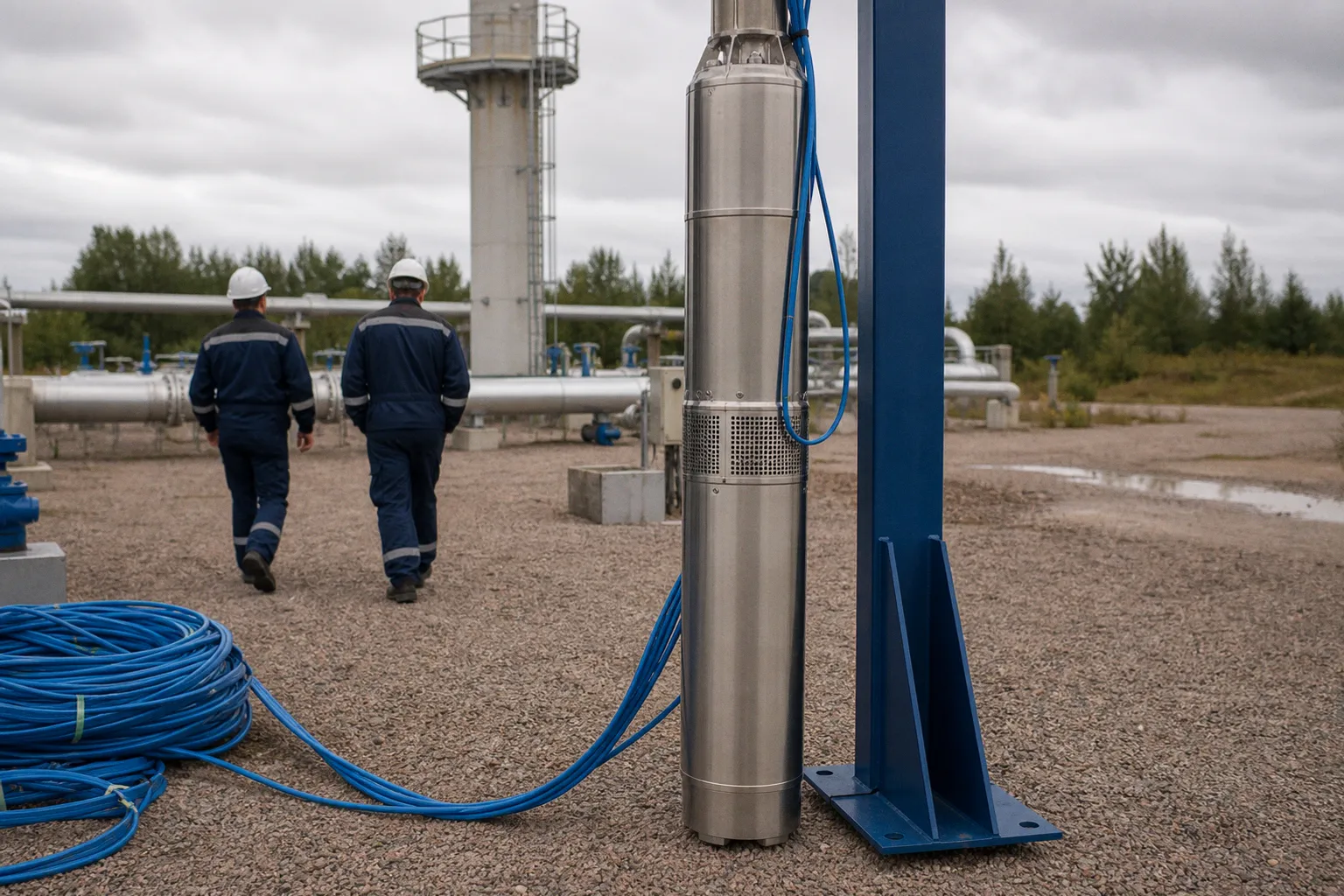
For teams who spend their days around boreholes, control panels and service access points, that is not a small promise—but the available report does not yet provide the performance, configuration or installation details needed to turn the announcement into a specification decision.
That distinction matters on the ground. A pump name on a project schedule is only the beginning; the operator still needs to know what happens when the water level shifts, when a site has limited maintenance access, and when a replacement must fit the real constraints already built into the well.
Treat the announcement as a review trigger, not a swap instruction
The reported SP47 launch gives asset owners and designers a useful moment to revisit groundwater installations that may be approaching a decision point. If a well is being planned, upgraded or repeatedly serviced, then this is the time to pull together the operating record—not simply compare product labels.
Start with the evidence your team already has: duty requirements, well conditions, motor and control arrangement, available power, pipework interfaces, access limitations and the history of interruptions. These are the details that determine whether a new pump generation will make daily work calmer or merely move complexity elsewhere.
In practical terms, efficiency has to survive the full working environment. If a claimed improvement depends on a particular control setup, a different installation arrangement or operating conditions that the site cannot maintain, then the headline benefit may not reach the person standing beside the panel during a difficult shift.
The details worth requesting before specifying SP47
Construction Business News Middle East identifies the SP47 as a next-generation Grundfos product for groundwater infrastructure, but the available item does not state its technical specifications. Until Grundfos provides documentation for the relevant application, procurement teams should avoid filling those gaps with assumptions.
Ask for the exact operating information required for the intended duty, along with compatibility and service documentation. Confirm what the product designation means in the proposed configuration, rather than assuming it maps cleanly onto an existing installation. If the project depends on a particular efficiency outcome, then require the basis on which that outcome is being assessed.
It is also worth walking the service route before committing. Can a technician reach the equipment safely? Can components be handled with the tools and lifting arrangement available on site? Is the feedback from the controls clear enough that an operator can distinguish a routine condition from a fault? These questions may sound ordinary, but they are where operator fatigue and avoidable downtime tend to begin.
A better outcome is one the operator can feel
For the people who specify groundwater equipment, the news is less about celebrating a new model name and more about creating a disciplined pause: check the duty, check the interfaces, check the maintenance reality, then compare the proposed solution against those conditions.
If the next-generation SP47 can meet those tests in the actual well and not only in a product announcement, it may support a more efficient infrastructure decision. More importantly, the right choice should leave the operator with clearer tactile feedback from the system, fewer surprises during service and a shift that feels more manageable from start to finish.