Lessons from the Ala Moana Pump Station Failure: Why Redundancy Matters
According to the City and County of Honolulu Department of Environmental Services, that's what happened at the Ala Moana Wastewater Pump Station: a local power outage triggered a backup power…
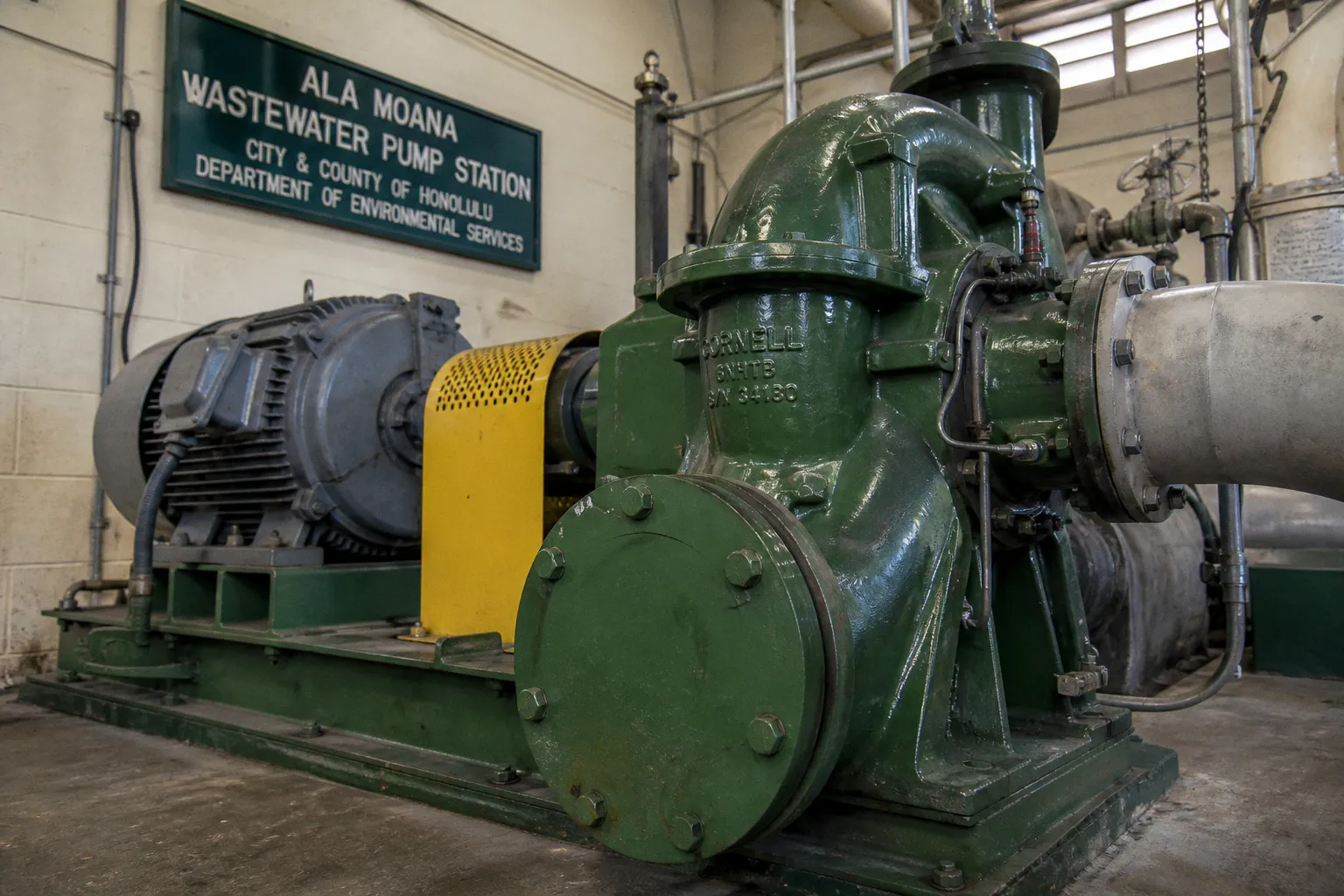
Picture this: it's the middle of a shift, you're watching gauges tick along, and suddenly the main feed drops. The lights flicker, the control panel throws alarms, and your whole mental model of "normal" pivots in a heartbeat. That moment — that pivot — is exactly where infrastructure either earns its keep or quietly falls apart. According to the City and County of Honolulu Department of Environmental Services, that's what happened at the Ala Moana Wastewater Pump Station: a local power outage triggered a backup power failure, which led to two sewage spills before crews could contain and disinfect the affected areas.
When the backup isn't really a backup
A pump station lives and dies by redundancy. The mains feed handles most of the work, but the generator, the UPS, the transfer switch — that's the lifeline you never want to test live. If any link in that chain is undersized, poorly maintained, or just plain aging, a routine outage becomes a spill event. What we're looking at in Honolulu is the classic cascade: grid goes down, the backup fails to carry the load, pumps stop, and contents find the path of least resistance — usually somewhere you don't want them.
What this means on the ground
For the operators and technicians on site, this isn't an abstract failure. It's a scramble — manual isolation, containment booms, disinfection crews, notification calls — all while you're logging timestamps on whatever control system is still talking to you. Tactile feedback matters here. A panel that clearly tells you "utility lost, generator running, transfer switch failed" is the difference between a coordinated response and people guessing. When the HMI goes dark along with everything else, your team's response time stretches, and so does the spill.
Why we watch incidents like this
We tend to think of pump reliability as a component-level question — bearings, seals, impellers. Events like this remind us it's also a systems-level question. The pump didn't fail; the power architecture around it did. If you're specifying or maintaining a pump station, the takeaway is uncomfortable but simple: a backup system that hasn't been load-tested under real conditions is a hope, not a plan. So pull the transfer switch cover this quarter. Run the generator on a simulated loss. Walk the operator through the dark-cab scenario before the dark cab actually happens — because on the factory floor, and at the pump station, the difference between a near-miss and a headline is almost always decided before the lights go out.