VERSA XIBC Solenoid: Engineering Reliability for Hazardous Valve Automation
If you've ever nursed a solenoid through a sub-zero shift in a Zone 1 area, you already know that the spec sheet and the real world rarely agree.
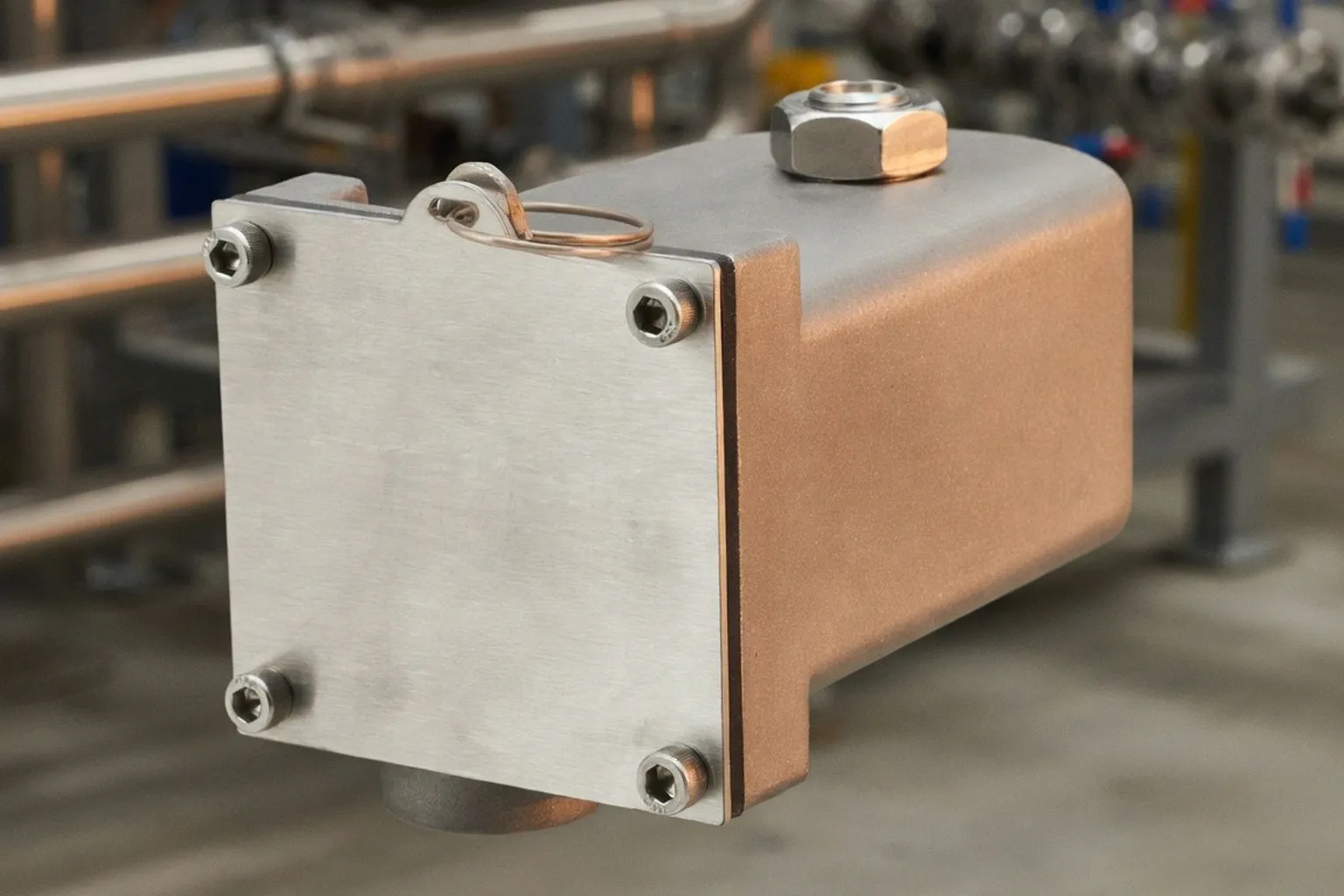
VERSA Launches XIBC Intrinsically Safe Solenoid for Critical Valve Automation Systems
According to Valve Magazine's coverage of VERSA's new XIBC Intrinsically Safe Solenoid, the two are finally sitting closer together — a 0.8-watt, 316L stainless steel coil designed for the kind of cold, wet, current-starved cabinets that eat lesser hardware alive. The launch targets oil and gas, chemical, and power work, and the design choices read like a checklist of things operators have been flagging for years.
What the housing actually buys you on the ground
The 316L stainless steel enclosure is the first detail your hands will notice, and it's the one that pays off across seasons. Chemical splash from a process line, salt fog rolling in off an offshore platform, the daily scrape against a cable tray — all the small indignities that pit aluminum coils over a winter — are no longer the same threat. The housing carries an IP66/67 ingress rating, so a washdown bay or a sideways rainstorm won't end your shift, and the package runs at 24 VDC on a continuous duty cycle with Class H coil insulation. If you've watched a solenoid bake itself out in a hot cabinet on the ground, you already understand why that insulation class is on the data sheet.
The quiet headline number, though, is the power draw. At 0.8 watts, the XIBC sits comfortably on intrinsically safe barriers without tipping them into fault territory, which translates directly to fewer nuisance trips and fewer long walks back to the panel because a warning LED blinked red for no good reason. If your cabinet is current-budgeted down to the milliamp, this is the spec you've been waiting for.
Cold-weather math and valve-fit math
For operators in LNG, offshore, or northern pipeline work, the optional -EP sealing configuration drops the operating floor to -60°F (-51°C). That's not a marketing flourish — it's the difference between a solenoid that responds when you call it and one that sits there like a brick until the enclosure warms up. The trade-off VERSA built around is pressure: maximum rating is up to 175 psi depending on which valve series you pair it with, and the XIBC drops into the B-316, C-316, V&T, and V-316 lines, so most existing service kits can adopt it without re-plumbing the manifold. If you're retrofitting a single actuator in a tight spot, that's the part of the release that actually saves you a Saturday.
What this means for the shift
Hazardous-area work has always been a compromise between safety and usability, and the XIBC sits firmly on the safety side of that line. It uses the "ia" protection method — the strictest intrinsic-safety tier — and it requires a barrier or isolating unit, which means you can't just swap it onto a non-IS circuit and call it done. Rob Lindquist, VERSA's Director of Global Sales, told Valve Magazine that the XIBC expands the company's solenoid offering with a solution built for customers working in challenging environments, combining durability, intrinsically safe operation, and application flexibility for critical valve control.
On the ground, that combination reads as fewer cold-start delays, fewer long cable-runs to a remote barrier, and one less thing to troubleshoot when the shift goes sideways. If you're spec'ing a Zone 1 retrofit or replacing a solenoid that's been through too many winters, the XIBC is worth a long look — and it's worth a quick call to your barrier supplier before you order, because the "ia" protection method doesn't pair with just anything off the shelf.