ARIS Stellantriebe Upgrades Industrial Valve Control with ExTensor and Tensor²+ Actuators
That kind of scene is exactly why ARIS Stellantriebe GmbH has expanded its line with the ExTensor and Tensor²+ Zone 2/22 series, a new generation of explosion-proof electric actuators built around…
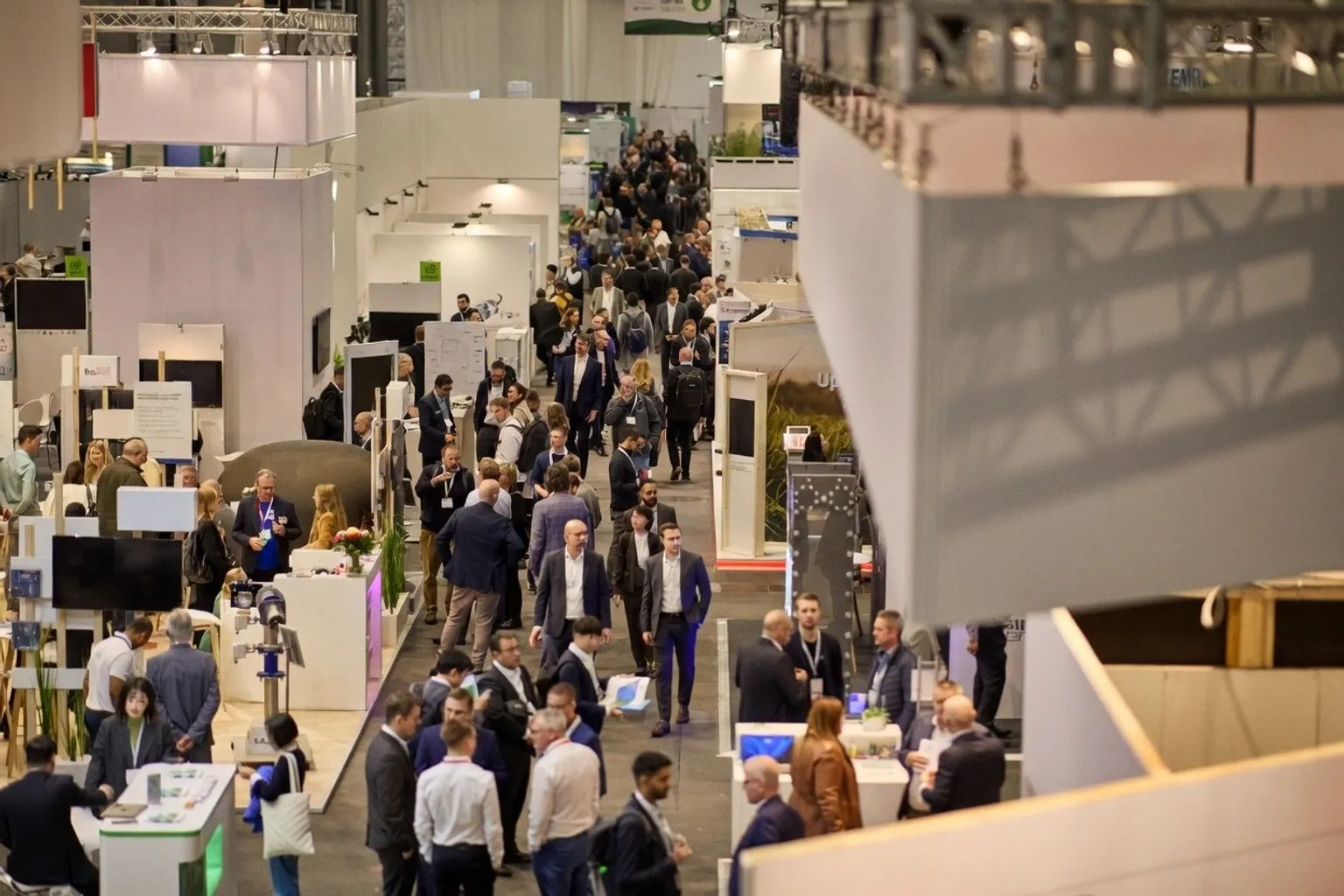
Imagine you're halfway through a night shift in a compressor station, the air thick with residual hydrogen, and the actuator on a critical butterfly valve starts throwing intermittent faults. You cycle the power, wipe down the connection points, but the old brushed motor inside has been grinding itself toward failure for months — and now every minute of unplanned downtime is money burning in real time. That kind of scene is exactly why ARIS Stellantriebe GmbH has expanded its line with the ExTensor and Tensor²+ Zone 2/22 series, a new generation of explosion-proof electric actuators built around brushless DC motors and maintenance-free gear trains, announced at the Hydrogen and Carbon Capture Technology World Expo.
What's Actually New Under the Housing
If you've worked with ARIS actuators before, the ExTensor and Tensor²+ won't look alien — they're built on the proven Tensor2 platform, so the mechanical footprint and mounting logic stay familiar. What's changed is the drive architecture inside: a fully controllable BLDC motor replaces the brushed unit, which on the ground means no more carbon dust accumulating inside the housing and no commutator wear to track during preventive maintenance rounds. Position detection is now contactless and wear-free, so you're not relying on potentiometers or mechanical limit switches that degrade with every cycle. For the operator, that translates to fewer nuisance trips and more confidence that the valve position your DCS sees is the position the valve actually holds — especially important when you're managing dosing pumps where a few degrees of overshoot can mean a product-spec excursion.
Torque, Configurability, and the OLED Screen Nobody Asked For (But Everyone Ends Up Loving)
The low-backlash metal gear unit is life-long lubricated — meaning you install it, commission it, and the gearbox itself asks nothing of you for the rest of its service life. Through externally mounted gear extensions — substructure stages, spur stages, planetary stages — you can scale output up to 500 Nm, which covers a wide envelope of butterfly, ball, and control valves without needing to spec a completely different actuator body. Every parameter is electronically configurable through on-board menu navigation displayed on an OLED panel, so if you need to adjust stroke limits, response curves, or fail-safe positions, you're doing it through a screen right on the unit rather than hauling a laptop into a classified area. That matters more than it sounds: in Zone 2 and Zone 22 environments, every piece of equipment you bring inside the boundary is another permit, another inspection, another variable.
What This Means When You're Spec'ing Your Next Project
The ExTensor and Tensor²+ carry full ATEX Directive 2014/34/EU and IECEx certification, so if your project involves hydrogen infrastructure, carbon capture skids, or any process area with explosive gas or dust classifications, these units slot directly into your compliance documentation without gap analyses or grandfathering debates. For us in the design and specification world, the real takeaway is this: you can now standardize on a single actuator platform across hazardous and non-hazardous zones, simplifying your spare-parts strategy and cutting the training burden for maintenance crews who move between areas. The next step on the ground? Pull the dimensional drawings, compare them against your current valve schedule, and see where a single 500-Nm actuator with electronic configurability might replace two or three legacy units you're still nursing along.