Mitsubishi Electric Integrates Pump Control and SCADA into a Unified Architecture
As reported by Automation.com, Mitsubishi Electric and its Iconics Digital Solutions arm have rolled out a single-stack architecture that folds pump-control hardware, variable-frequency drives, SCADA…
As reported by Automation.com, Mitsubishi Electric and its Iconics Digital Solutions arm have rolled out a single-stack architecture that folds pump-control hardware, variable-frequency drives, SCADA visualization, alarm management, and remote monitoring into one delivery. The stated target is water and wastewater utilities, where the objectives are improved reliability, efficiency, and operational visibility.
System-level impact
The technical question is not what each component does, but what disappears from the operator workflow when the boundaries collapse. Separate VFD tuning tools, a separate SCADA package, and a separate alarm platform each impose a context-switch cost and a measurable cognitive load on the operator. Consolidating them under one vendor compresses that switching tax and, more importantly, reduces the mean time to diagnosis when a pump station faults.
The stated objectives — reliability, efficiency, and operational visibility — map to measurable metrics. Reliability equals unplanned downtime hours per quarter. Efficiency equals kWh per cubic meter pumped. Throughput equals cubic meters per shift per operator. Operational visibility equals alarm acknowledgment latency and the ratio of actionable alarms to nuisance alarms that drive error rate upward.
Procurement checkpoints
Before evaluating this stack against an incumbent configuration, verify four constraints:
- Historian API exposure. If the SCADA layer cannot export time-series data to an external analytics platform without a custom connector, the "operational visibility" claim degrades to vendor lock-in.
- Alarm rationalization methodology. A unified alarm module with poorly modeled priorities increases noise rather than reducing it. Request the rule library and the documented severity taxonomy.
- VFD firmware update path. Unified hardware control delivers value only if drive firmware can be patched without taking the pump offline. Confirm the maintenance window model.
- Remote monitoring latency budget. Ask for the round-trip time from field sensor to operator dashboard under nominal network conditions. Anything above a defined threshold negates the remote monitoring benefit during transient events.
Adjacent move in the rental channel
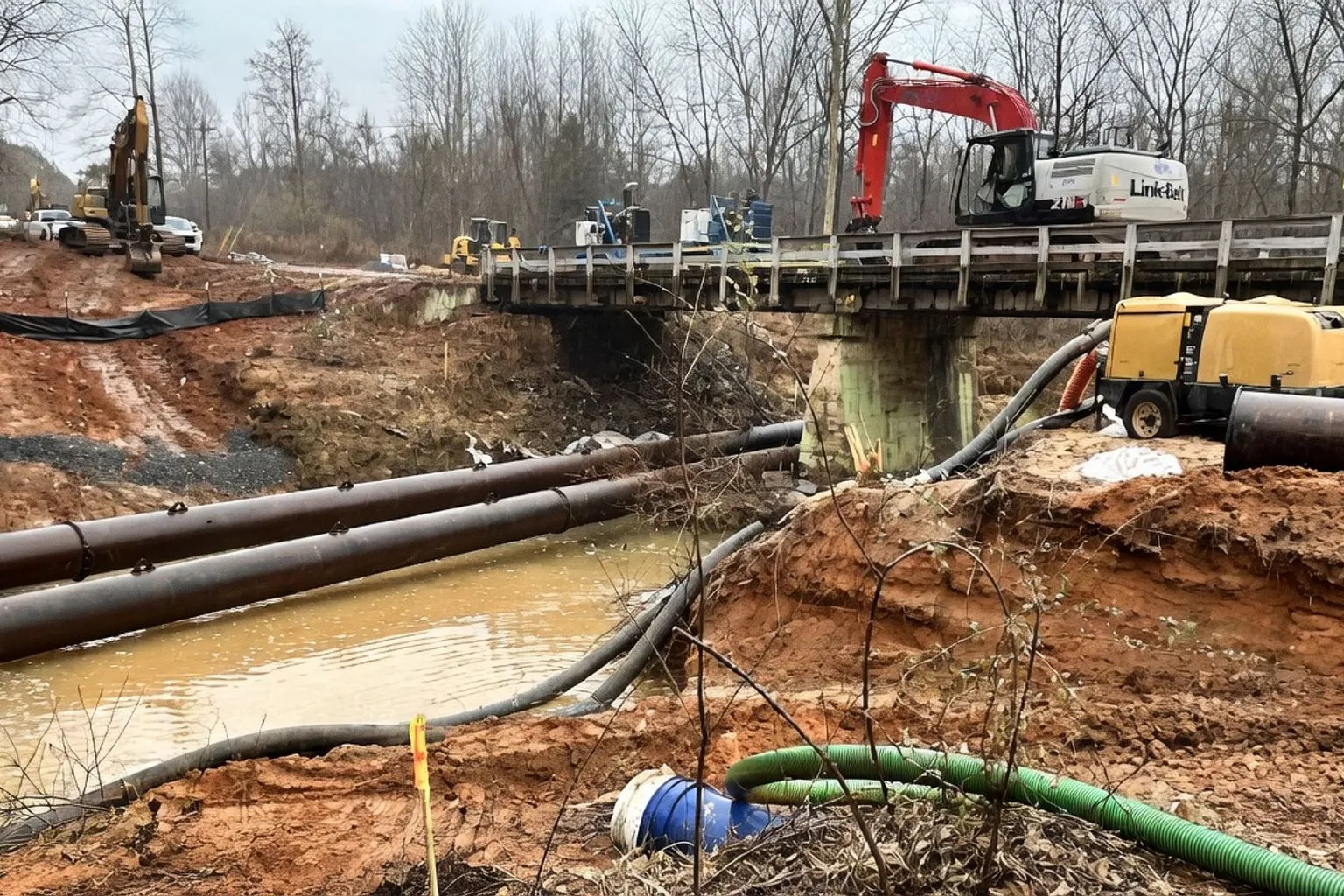
Separately, Rental Equipment Register reports that Holland Pump has acquired Pumping and Shoring Solutions, a North Carolina provider of pump rental, dewatering, groundwater control, and temporary water management. The deal expands Holland Pump's fleet and service coverage across the Carolinas and the broader Southeast. Holland Pump president Dane Bedinger described PSS as having built a strong reputation based on technical expertise, customer service, and a commitment to helping customers complete challenging projects, and said the acquisition strengthens bypass pumping, dewatering, water treatment, and groundwater control capabilities in the region. For utility and infrastructure operators sourcing bypass pumping or dewatering scopes in the Southeast, this shortens the lead time on rental mobilization.