Arctic LNG 2 Shifts to Domestic ENK 2000/241 Cryogenic Pumps
on an LNG tanker call, the whole loading window slips with it — and according to Первый технический, the Russian Ministry of Industry and Trade has just confirmed that the Arctic LNG 2 project will…
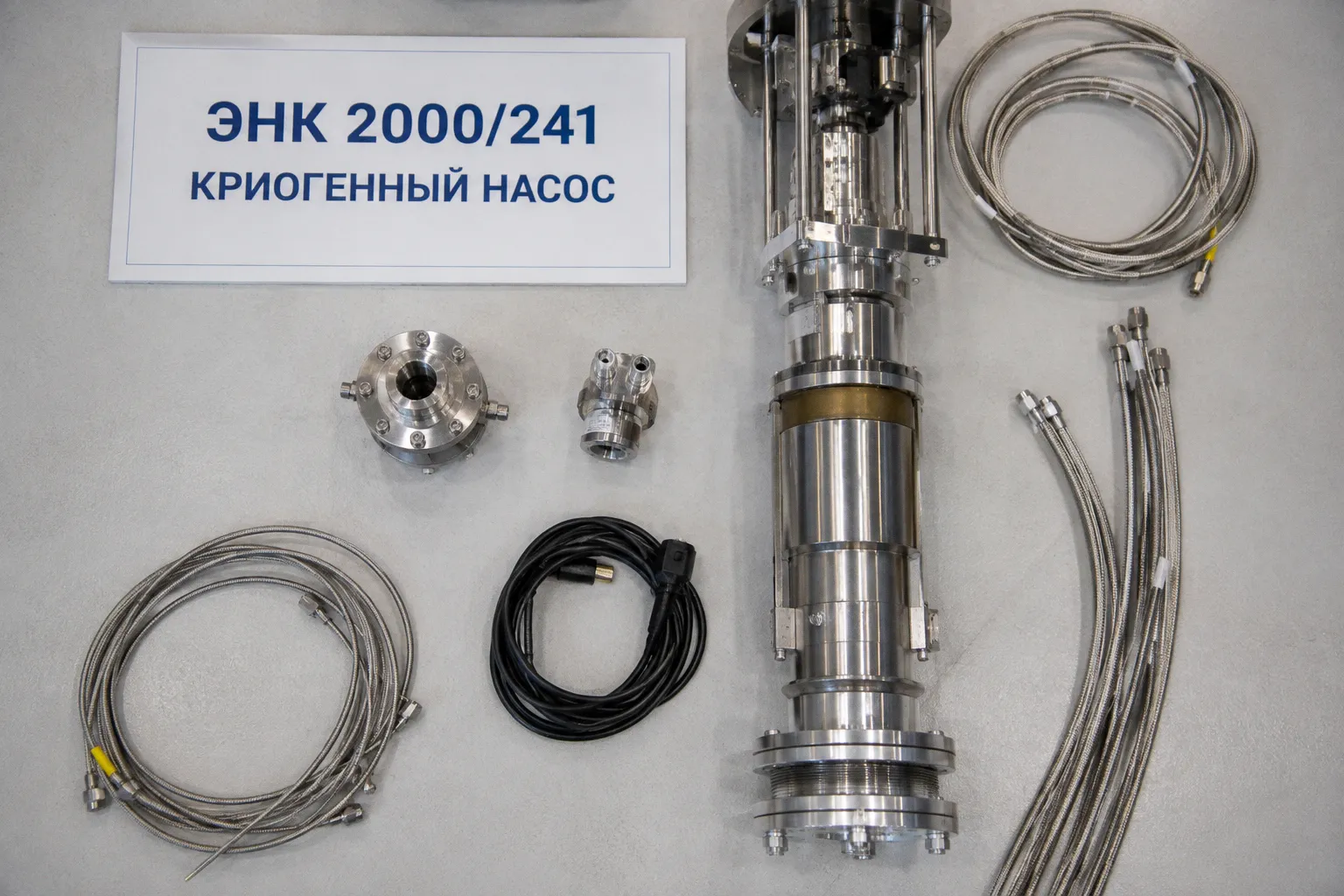
When you're watching a submerged cryogenic pump stutter at 3 a.m. on an LNG tanker call, the whole loading window slips with it — and according to Первый технический, the Russian Ministry of Industry and Trade has just confirmed that the Arctic LNG 2 project will now run on domestically built ENK 2000/241 units from the ZiO-Podolsk plant instead of Japanese Ebara hardware. For anyone running, servicing, or specifying cryogenic pump trains, that single announcement reshapes your spare-parts shelf, your operator training, and the rhythm of the shift.
What shifts at the pump bay
The swap is being framed as complete for Arctic LNG 2, with the ENK 2000/241 taking over the duty the Ebara units used to carry. The headline figure we can lean on is throughput — these units are rated for capacities up to 2,000 cubic meters per hour during LNG tanker offloading, which keeps the process envelope in the same working range you'd expect from a serious submerged cryogenic pump.
What is changing is the hardware family itself. If you're the person who has to open the maintenance manual at 2 a.m., the ENK 2000/241 is now your reference, not the Ebara nameplate you've been carrying for years. That means new impeller geometries to learn, fresh seal arrangements, revised bearing specs, and a new set of vibration baselines to capture during commissioning.
A pass we'd run with a junior tech
If you're responsible for a cryogenic pump bay today, here's the kind of if-then walkthrough we'd do standing right next to you:
- If your warehouse still stocks Ebara-specific spares, then map which parts are shared (bearings, generic seals) versus Ebara-only geometries, and segregate the latter before the next planned overhaul.
- If your maintenance crew trained on Ebara teardown procedures, then schedule a refresher on the ENK 2000/241 — torque sequences and coupling alignment don't transfer cleanly across a redesign.
- If your condition-monitoring thresholds were tuned to the old pump's vibration signature, then plan a fresh baseline run during the first 200 hours; the alarm windows you've been trusting won't survive a geometry change.
- If your procurement team is still defaulting to Japanese suppliers for cryogenic gear, then ZiO-Podolsk is now a serious line item on the quote sheet, and lead times may compress on the ENK side.
Why this lands on the operator's shift
Here's what matters when the boots are on and the deck is iced over: a domestic supplier means the conversation about a failed part is no longer a five-time-zones-away email. On the ground, that often turns into faster turnaround on critical replacements, fewer customs holdups, and a service engineer who speaks the same language as the person turning the wrench. The honest trade-off is the loss of familiarity — Ebara had decades of institutional knowledge baked into every shift handover, and that knowledge has to be rebuilt around the ENK 2000/241 one startup at a time.
If you're tracking this for your own asset list, watch for the first published teardown reports and the commissioning vibration data on the ENK 2000/241 — that's where the real-world story of this swap will get written, in the language of operator fatigue and quiet shifts.