Tracking Industrial Pumping Station Updates Across Central Asian Infrastructure
An operator at the end of a long shift walks past the pump skid, hears a bearing that's been "almost fine" for two weeks, and wonders whether the next planned outage is really far enough away — the…
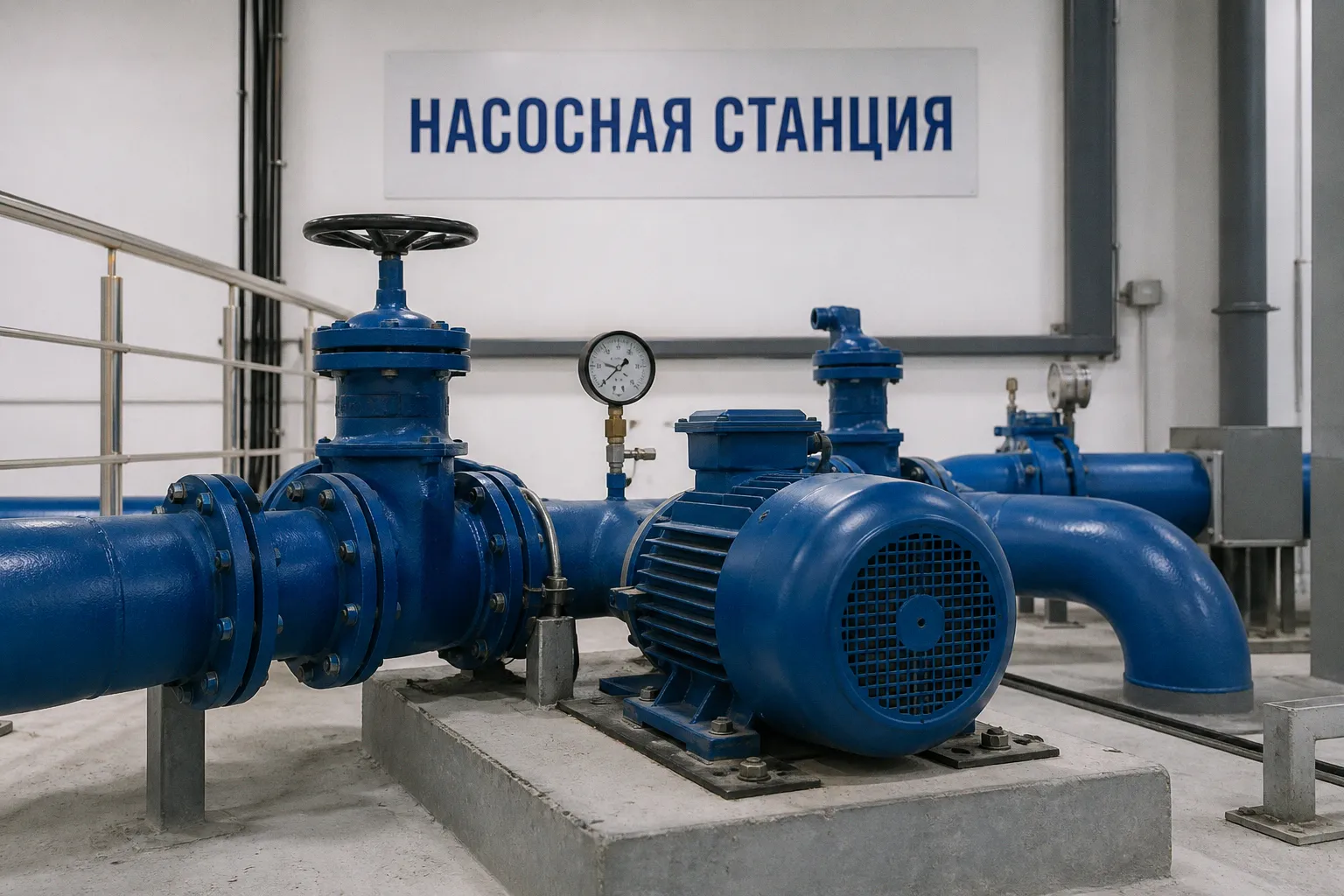
An operator at the end of a long shift walks past the pump skid, hears a bearing that's been "almost fine" for two weeks, and wonders whether the next planned outage is really far enough away — the kind of daily question that Kazakhstan Today's quiet refresh of its pumping-stations tag on August 19, 2026 is built to nudge, even if the feed itself only carries a thin snippet this round. What we can confirm from the outlet is light on hard detail, but the fact that the tag continues to be updated in a market that supplies and operates a meaningful slice of post-Soviet industrial pumping capacity is itself the story — and it's one that tends to ripple outward to procurement teams, service contractors, and the operators who actually keep the stations alive on the ground.
What the source actually tells us
Kazakhstan Today's tag page aggregates items on pumping stations — utility-scale water movement, industrial process pumping, and the station infrastructure wrapped around them. The most recent entry surfaced on August 19, and what reached us through the source snippet is the standard tag header rather than a full article body. In practice, that means there is movement worth paying attention to in a region whose station layouts often trace back to older Soviet-era standards, but the specifics of any single story are not yet in our hands.
Why this matters on the shop floor
For the operators and service designers we usually walk alongside, a regional tag update is a reminder, not an alarm. Central Asia is a corridor where pump manufacturers benchmark duty points, where operators inherit aging equipment, and where retrofit decisions often get made against a thinner spare-parts shelf than you'd find in Western Europe. If Kazakhstan's reporting drifts toward new tenders, station upgrades, or grid-level water infrastructure moves, that tends to nudge pricing on certain pump classes and tighten service windows before anyone in your procurement inbox notices — and well before your maintenance team feels the operator fatigue of running aging equipment past its intended duty cycle.
So the practical question becomes: are you watching the right feeds? A pumping-station tag from a regional outlet is exactly the kind of low-cost early signal that helps you catch a specification change or a supplier consolidation before it shows up as a surprise on a quote — or worse, as an unplanned outage at three in the morning.
What to verify before you act
We'd handle this the way we handle any thin source — with a quick mental checklist. Is the tag pointing at a utility tender, an industrial commissioning, or a regulatory change? Does the item mention specific pump classes — centrifugal, submersible, positive-displacement — or station architectures you already know? And does the regional story line up with anything your local service partner has flagged in the last quarter? If none of those hooks land, treat it as a "keep an eye on it" item rather than a "rework your maintenance plan" item. If one of them does, that's where your next ten minutes of reading will pay off.
The honest version: a regional outlet refreshed its pumping-stations tag, and for the operators and specifiers we usually write for — the ones whose work crosses borders, or whose suppliers do — that's worth a quick look, not a deep dive.