Müller Co-ax Upgrades FK and VSV-F Valve Housings to Industrial-Grade Metal Alloys
As reported by müller co-ax gmbh, the Forchtenberg-based manufacturer has begun phasing out aluminum housings on selected flanged coaxial valves in its FK and VSV-F series, swapping them for…
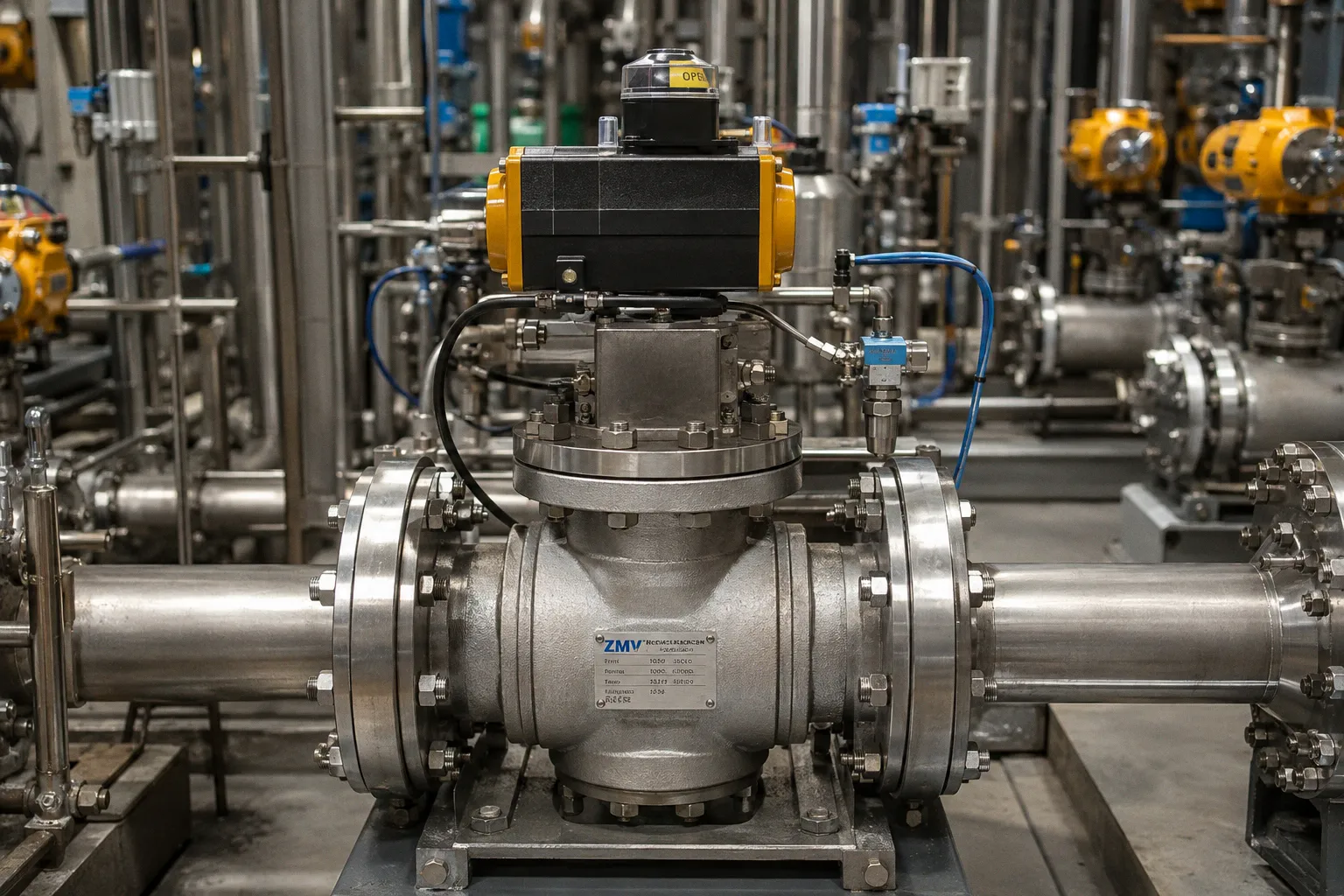
As reported by müller co-ax gmbh, the Forchtenberg-based manufacturer has begun phasing out aluminum housings on selected flanged coaxial valves in its FK and VSV-F series, swapping them for zinc-plated steel, nickel-plated steel, and stainless steel alternatives. If you've ever wrestled a corroded flange off a humid skid and felt the threads crumble under your glove, you already know why this kind of material switch lands differently on the shop floor than it does in a press release.
What the housing change actually means in practice
The transition targets a specific friction point we keep hearing about from maintenance crews: aluminum bodies in high-pressure or viscous service tend to suffer when exposed to aggressive media, repeated moisture cycling, or the occasional splash from a caustic line. According to the company, the new housing options bring improved durability and corrosion resistance to the same flanged footprint.
That last detail is the one operators tend to miss in the announcement — your existing piping layouts, bolt patterns, and skid dimensions stay intact. You get the heavier, more forgiving body where it counts, at the valve itself, without redrawing your isometrics or rebuilding your supports. For service teams, that translates into fewer surprises during a planned turnaround and a much friendlier part number to keep on the shelf.
What to verify before you specify or order a replacement
Before you commit to the next purchase, walk through these checks with us:
- Confirm which specific FK and VSV-F variants are affected — the announcement covers selected models rather than the entire range, so the SKU currently on your shelf may or may not be in scope.
- Match the housing material to your media and ambient conditions: zinc-plated steel for general industrial environments, nickel-plated steel where corrosion climbs a notch, and stainless steel for the harshest or hygienic services.
- Recalibrate torque expectations — heavier bodies change the handling feel, and your maintenance team will notice the difference the first time they lift one off the rack.
- Re-check certifications (TÜV, DVGW, ATEX, cryogenic ratings) against your application. The housing change shouldn't alter those approvals, but it's worth confirming on the updated datasheet before you sign off.
Why this matters for the daily shift
We've always said a valve is more than a flow path — it's a piece of hardware your team touches, lifts, and trusts every single day. The move away from aluminum toward heavier alloys trades a little weight for a long list of quiet wins: fewer seized bonnets, less surface pitting to scrub off during turnaround, and the kind of tactile feedback that tells an experienced operator, at a glance, that the valve is still doing its job. On the factory floor, the gap between a smooth shift and a 2 a.m. callout often comes down to exactly this kind of material decision — quietly made somewhere far upstream of the people who end up feeling it first.