How Grundfos is Redefining Industrial Efficiency Through Smart Resource Management
According to Motorindia, Grundfos expects water and energy efficiency to shape manufacturing over the next decade, as sustainability, electrification, digitalisation, and resource efficiency reshape…
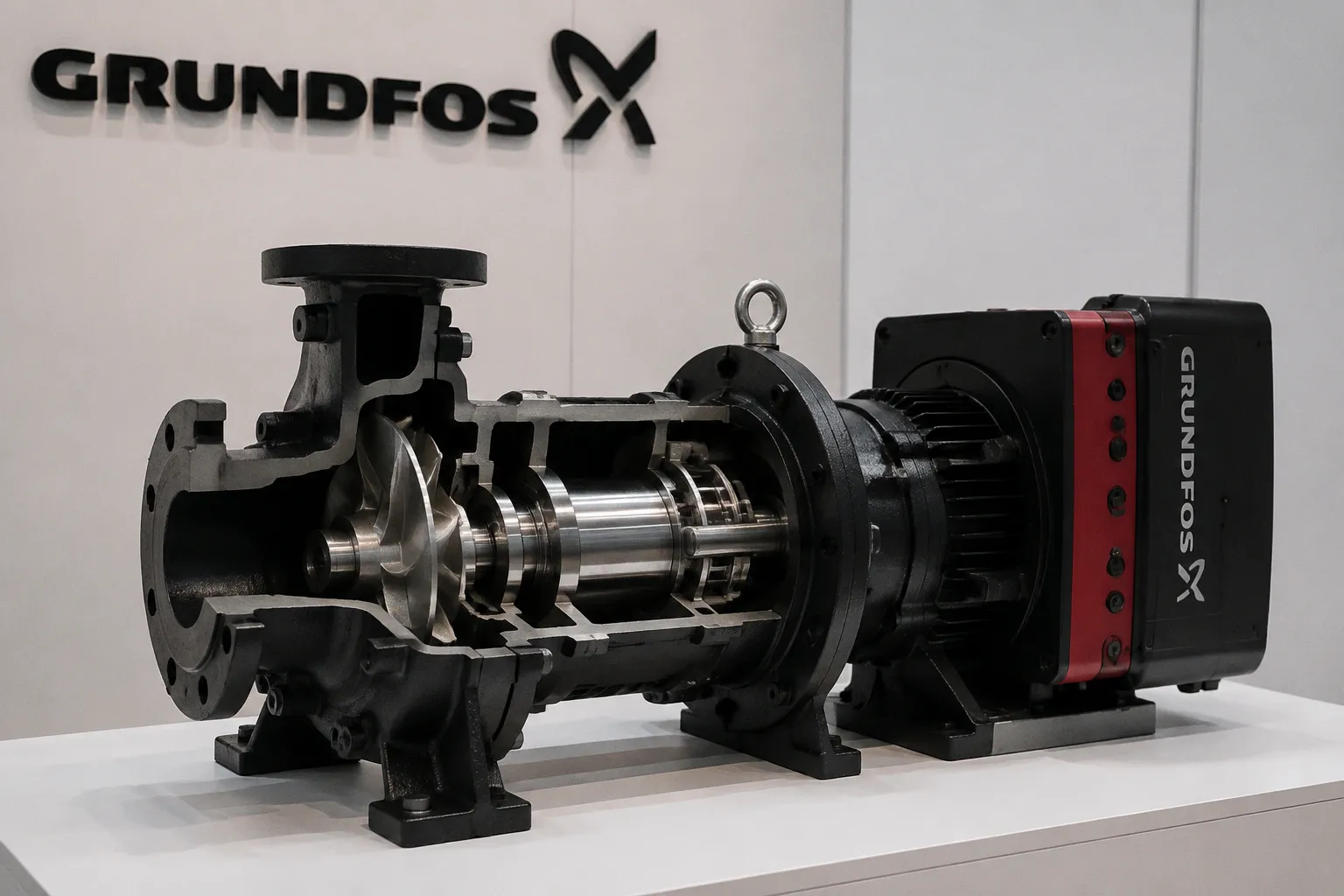
According to Motorindia, Grundfos expects water and energy efficiency to shape manufacturing over the next decade, as sustainability, electrification, digitalisation, and resource efficiency reshape vehicle production and mobility ecosystems. Shankar Rajaram, Head of Sales, Industry Division – INDO at Grundfos, says manufacturers must find ways to grow without leaving a heavier footprint, while using energy and water more intelligently. For those of us working with pumps, valves, and the systems around them, this is a practical design question, not an abstract trend: how do we keep production moving as the resources around it face closer scrutiny?
Follow the resource route
A sustainability target can feel distant from an operator’s shift until we look at the actual work. On the ground, the question becomes familiar: what keeps the process stable, what uses water, and what keeps the pumping system dependable when the line is running? If electrification, battery manufacturing, EV component production, or charging infrastructure changes the facility, then the water and energy relationships around that change should be reviewed alongside the production equipment. It is like updating a route map while the destination is moving: omit one connection, and the rest of the journey becomes harder to navigate.
Grundfos’s outlook, as reported by Motorindia, connects intelligent pumping solutions with water and energy transformation across industries. The company describes sustainability as the foundation of how it innovates, operates, and creates value for customers, rather than a separate agenda. For us, that is a useful reminder to examine the whole operating context: what can operators and service teams see, measure, and maintain, and where does the hardware sit in the wider route from water use to production? Asking that question while the system is still being designed helps keep the equipment decision connected to daily work, rather than leaving resource use to a late-stage adjustment.
Use the trend as a review sequence
Motorindia says electrification will continue to accelerate across passenger and commercial mobility, with investment in battery manufacturing, EV component production, and charging infrastructure. It also says manufacturers will increasingly focus on reducing their environmental footprint by optimising energy consumption, water use, and emissions. That gives an equipment team a useful first pass: define the water route before choosing a pump in isolation. Identify where water enters, leaves, circulates, needs treatment, or could be reused or recycled, then locate the energy relationships around that route. This keeps the pump conversation connected to the process it serves.
Next comes the operating layer. The source names intelligent automation, real-time monitoring, predictive maintenance, and data-driven decision-making as technologies converging with industrial operations. It also names reuse, recycling, and Zero Liquid Discharge, or ZLD, systems among water-management strategies manufacturers may need to adopt as environmental regulations become more stringent and water stress intensifies in several regions. We should not turn that forecast into a universal technology list. The practical question is simpler: does the project have a clear resource plan, an operating model the team can use, and a maintenance approach that fits the actual facility?
Finally, look at resilience and efficiency together. Grundfos’s stated priorities include high-efficiency pumping technologies to reduce energy consumption, advanced treatment and recycling for sustainable water management, and digital tools for reliability and predictive maintenance. For a hardware or service design review, that means asking how the equipment choice will be supported on the ground: what information is available, when it is available, and how it helps the team act. The source is describing a direction, not a single product prescription, and that distinction is important when one solution cannot simply be copied from one plant to another.
Carry the lesson into the next shift
If you are planning a new line or revisiting an existing process, keep the review in the order people experience the work: first the water and energy context, then the hardware, then the information and service around it. What resource use is visible today? What can be monitored in real time? Which maintenance decisions can be supported by equipment data? And where will reuse, recycling, or ZLD sit if the process calls for one of those approaches? These questions keep the conversation practical, but they also give an architect or design leader a way to test whether the system is coherent from the operator’s point of view.
Motorindia also notes that Grundfos is committed to validated 2030 climate targets and a net-zero pathway. That target language is specific to the company, but the practical lesson is shared: connect equipment choices to the way the plant will be operated, maintained, and measured in real-world context. That is how a broad manufacturing ambition can be made concrete, with clearer information for the person on the floor and a more deliberate role for the pumps and valves that keep the route moving.