How a German Sugar Plant Slashed Seal Water Usage by 80% with Retrofit Technology
According to a John Crane announcement, an upstream pumping and mechanical seal retrofit at a German sugar producer cut seal cooling and flush water use by roughly 80% across four continuously…
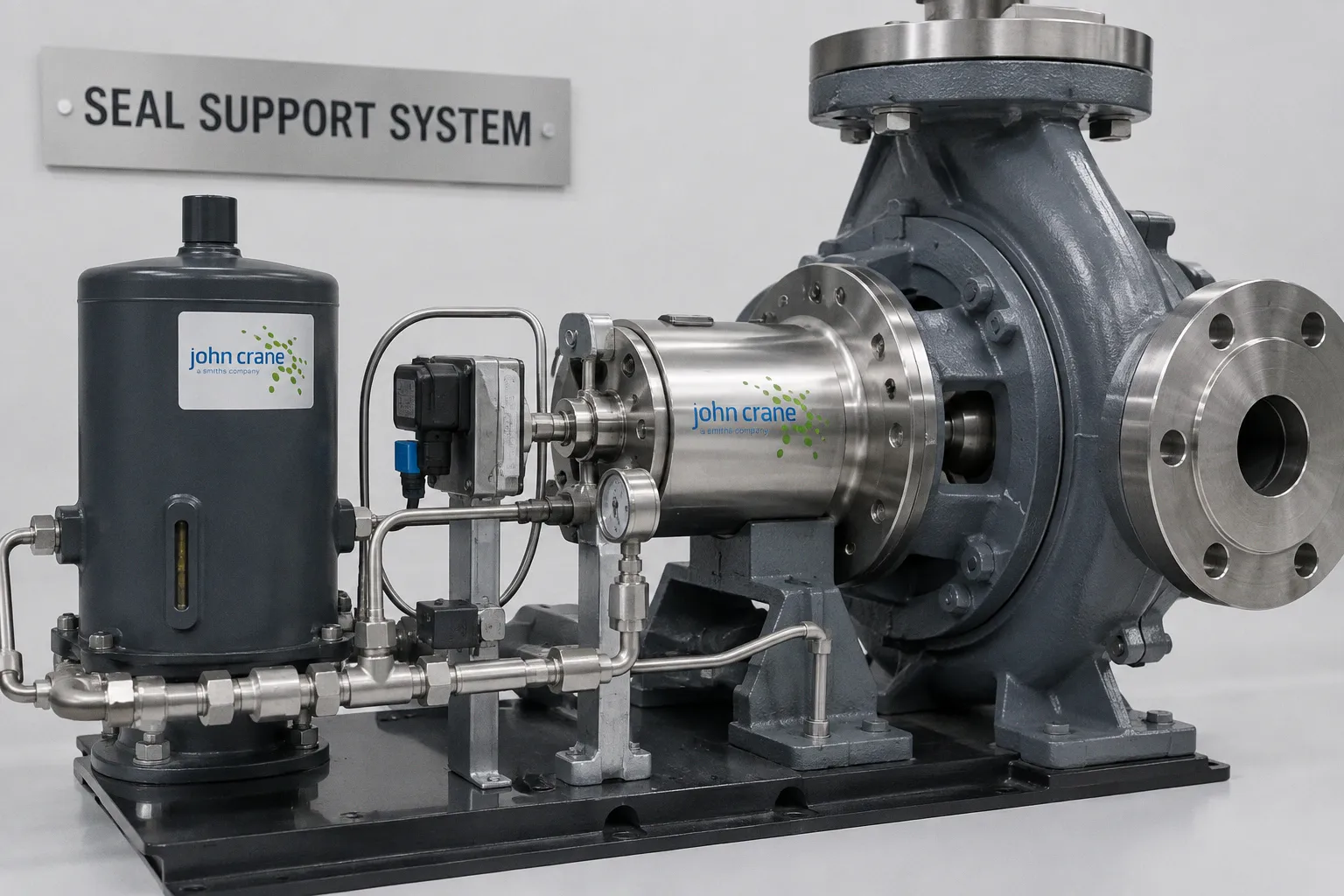
According to a John Crane announcement, an upstream pumping and mechanical seal retrofit at a German sugar producer cut seal cooling and flush water use by roughly 80% across four continuously operating process pumps — saving more than 6.2 million liters over a single six-month beet campaign. Picture this on your own floor: it's the third week of campaign, the thin juice pumps have been running flat-out, and your maintenance crew is already eyeing the seal housings because they remember exactly when the last one failed. That's the daily friction the German site was living before the work began.
What changed on the shaft
The retrofit didn't replace the pumps. That's the part worth pausing on, because in our world the first instinct is always "new pump, new problems solved." Here, John Crane engineers measured the available installation space on each existing pump and selected seal configurations that fit the hardware already bolted to the foundation.
The seal set included Type 587, Type 5620, and SB2 Upstream Pumping (USP) designs in 65 mm and 95 mm sizes, paired with API Plan 52 or John Crane SafeUnit SFD barrier-fluid support where the process demanded it. The "upstream pumping" geometry actively moves process fluid toward the high-pressure side rather than letting it leak outward — useful when you're handling thin juice, thick juice, or recirculation streams at 80–133°C and 1–4 bar.
If you handle crystallizing media, you already know why this geometry matters: a seal that can't manage its own fluid film will gall, score, and ultimately let abrasive sugar slurry past the faces.
What this looked like on the ground
Before the retrofit, competitor seals were failing every three to four months across those four pumps. After John Crane began converting pumps progressively — planning for the first conversions took roughly a year, and field rollout started around seven years ago — none of the four applications has reported a seal failure since 2019. Seal service life moved from "a quarter at best" to "several years."
The water numbers are equally concrete. Per-pump consumption fell from 8–12 liters per minute down to roughly 1–2 liters per minute. Across four pumps running continuously through a 180-day beet campaign, that's at least 34,560 liters saved every 24 hours and more than 6.2 million liters over the full season.
For the operator on shift, here's what that translates to: fewer hot seal changeovers during the busiest weeks of campaign, less time wrestling with flush water connections, and a noticeably quieter maintenance calendar.
What to check on your own floor
If you're staring at similar pumps — hot thin or thick juice service, abrasive media, 960-rpm-ish speeds — a few practical questions are worth asking before you spec a replacement pump. First: is the cooling water a closed-loop source you pay to treat, or once-through? Once-through systems multiply the savings story because you're cutting both water cost and discharge load. Second: what seal support plan is currently installed? Plan 52 or an SFD-style barrier fluid can often be added without disturbing the pump itself. And third: what's your actual mean time between repair? If seals are dying every three to four months, you've got a process-fit problem — not necessarily a pump problem.
What we keep coming back to, looking at this case, is how much value sits inside the existing seal chamber when someone actually measures the space and matches geometry to the process. The German sugar producer didn't get a new pump — they got a different relationship with the equipment they already owned, and their operators got back time, water, and one less emergency to plan around.