NIBCO Expands Flow Control Capabilities Through UniTorq Actuator Acquisition
According to Valve World, NIBCO has completed its acquisition of Georgia-based UniTorq Actuators and Controls, adding pneumatic and electric actuators, control systems, and accessories to its flow-control portfolio.
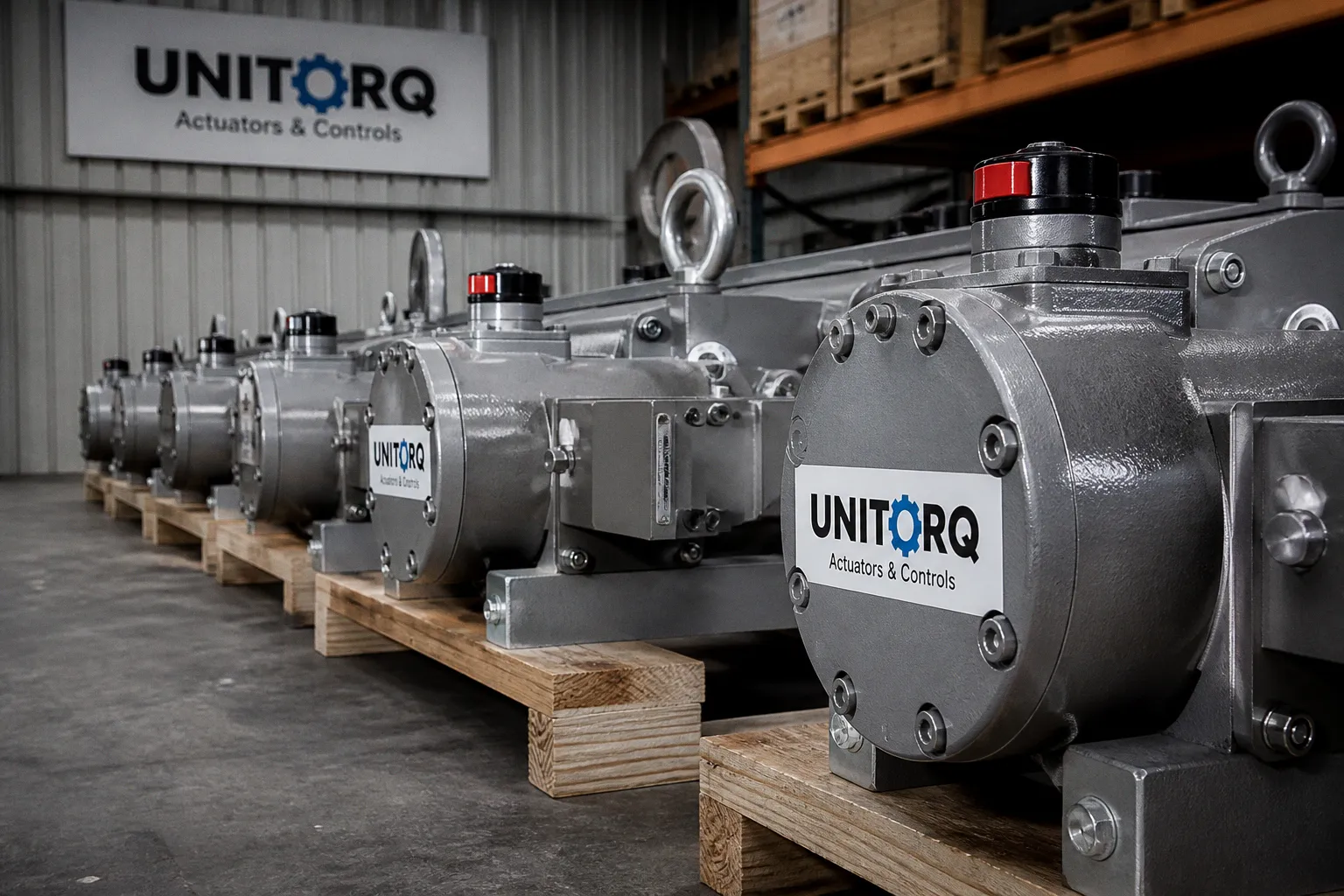
For anyone specifying or maintaining valves in commercial or industrial service, the important point is not simply that one company has changed ownership; it is that the range of valve-automation products available through NIBCO is now broader, while the practical details of product continuity and integration still need to be checked.
The portfolio now includes actuation and controls
On the ground, a valve rarely works as an isolated piece of hardware. During a shift, the operator is dealing with the complete chain: the valve, the actuator that moves it, the control system that commands it, and the accessories that make the assembly usable in its actual installation.
The acquisition adds UniTorq’s pneumatic and electric actuators, control systems, and accessories to NIBCO’s existing flow-control product portfolio, according to the report. That gives NIBCO a wider position across valve automation rather than limiting the offering to the valve body itself.
The distinction between pneumatic and electric actuation matters in real-world context. If a project is already built around compressed air, pneumatic actuation may fit the established operating environment; if the installation is structured around electrical control, an electric actuator may be the more relevant path to investigate. The announcement does not say which products will be combined, rebranded, or offered together, so we should treat the expanded portfolio as a direction of travel rather than assume a fully integrated catalog today.
What to verify before changing a specification
For engineers, maintenance teams, and buyers, the next step is a document check rather than an immediate hardware decision. Confirm whether the actuator and control products you are considering remain available under their current names, whether existing documentation and support channels remain unchanged, and whether compatibility information is provided for the specific valve assembly on your project.
It is also worth checking the practical details that affect a working installation: pneumatic or electrical requirements, control-system interfaces, accessory availability, service arrangements, and replacement paths for equipment already in operation. None of those details are confirmed in the available report, and the acquisition itself should not be read as proof that lead times, pricing, certifications, or technical support have changed.
That caution is especially important when operator fatigue and tactile feedback are part of the daily reality. A control arrangement that looks tidy in a catalog can still create friction if the operator has to search for status information, use an unfamiliar control sequence, or work around accessories that do not match the existing installation.
Why this matters for the factory floor
A broader automation portfolio can simplify the route from valve selection to actuation and control, but only if the offering remains clear at the point of use. We should watch for further information from NIBCO on product continuity, portfolio structure, compatibility, and support; those details will determine whether the acquisition reduces specification effort or simply gives buyers another catalog to navigate.
For now, the confirmed change is straightforward: NIBCO has expanded its commercial and industrial valve-actuation offering through the completed acquisition of UniTorq. The value for the person standing beside the equipment will ultimately be measured in simpler selection, predictable maintenance, and controls that reduce—not add to—the work of getting through a shift.