Optimizing Tankless Water Heater Recirculation with Bypass Valves and Comfort Pumps
According to fuelcarmagazine, the current cluster of installer attention sits at the intersection of bypass valves, the Grundfos Comfort system, and recirculation pumps designed for tankless heaters…
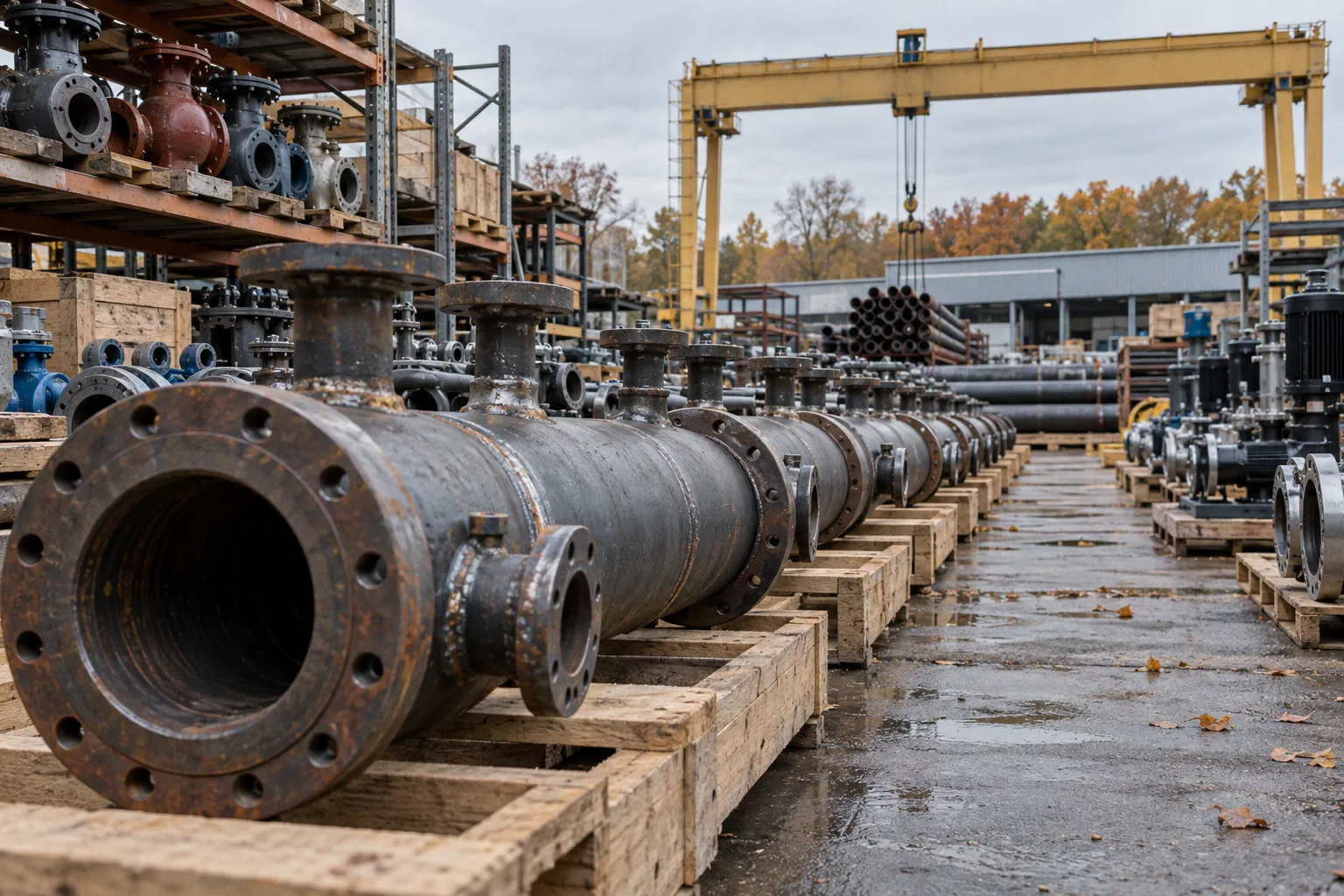
If you've ever opened a mechanical room cabinet and found a tankless water heater tied into a recirc loop with no visible bypass path, you already know why this conversation keeps circling back. According to fuelcarmagazine, the current cluster of installer attention sits at the intersection of bypass valves, the Grundfos Comfort system, and recirculation pumps designed for tankless heaters — and the practical question on the ground is how all three pieces actually behave when you put them together in a real home.
Where the bypass valve earns its keep
We tend to walk newer techs through this with a simple analogy: think of the recirc pump as the heart of the loop and the bypass valve as the piece that decides how much flow actually pushes through the heater versus returning around it. On a modulating tankless unit, the heat exchanger wants a fairly tight flow window to stay in its efficient range. The recirc pump, left to its own devices, may push more — or less — than that window allows. The bypass valve is what lets excess flow loop back without forcing the heater out of its sweet spot. If you've ever listened to a tankless unit short-cycle or click off mid-loop, that hiss and silence is usually the symptom of a missing or mis-sized bypass.
What to confirm before the loop goes live
Here's the if-then we run through on every retrofit. If the home already has a dedicated return line, pump sizing math is mostly a question of head loss and fixture count — relatively straightforward. If the home does not have a return line, and this is the common case in retrofits where nobody wants to open up finished walls, then you're really choosing a comfort system that bundles its own bypass and check-valve logic, the kind of integrated package the Grundfos Comfort line is built around. Either way, the three questions worth asking the homeowner before you open a box are simple: how far is the farthest fixture from the heater, how often is that fixture actually used, and what's the mineral content of the water. Those answers quietly change everything from pump selection to where the bypass lands in the loop.
What we're watching on the ground
The piece we're keeping our eye on, in real-world context, is how recirculation-pump-without-return configurations hold up across a full heating season. The promise is appealing — no return line, no trenching, near-instant hot water at the tap. The friction we look for as designers is whether the thermostatic controls and internal bypass paths actually deliver consistent comfort without forcing the operator — that's you, the installer — back into the mechanical room every few weeks to re-tune something. The best hardware in this category is the kind that disappears into the background and lets the homeowner forget it exists, which is the only honest measure of good design in a residential loop.