Building Water Infrastructure Resilience Through Unified System Integration
When you're on shift in a control room and the alarm panel lights up for the four hundredth time today — and you already know, almost instinctively, that it's another false positive — that's not a system working. That's a system asking you to ignore it.
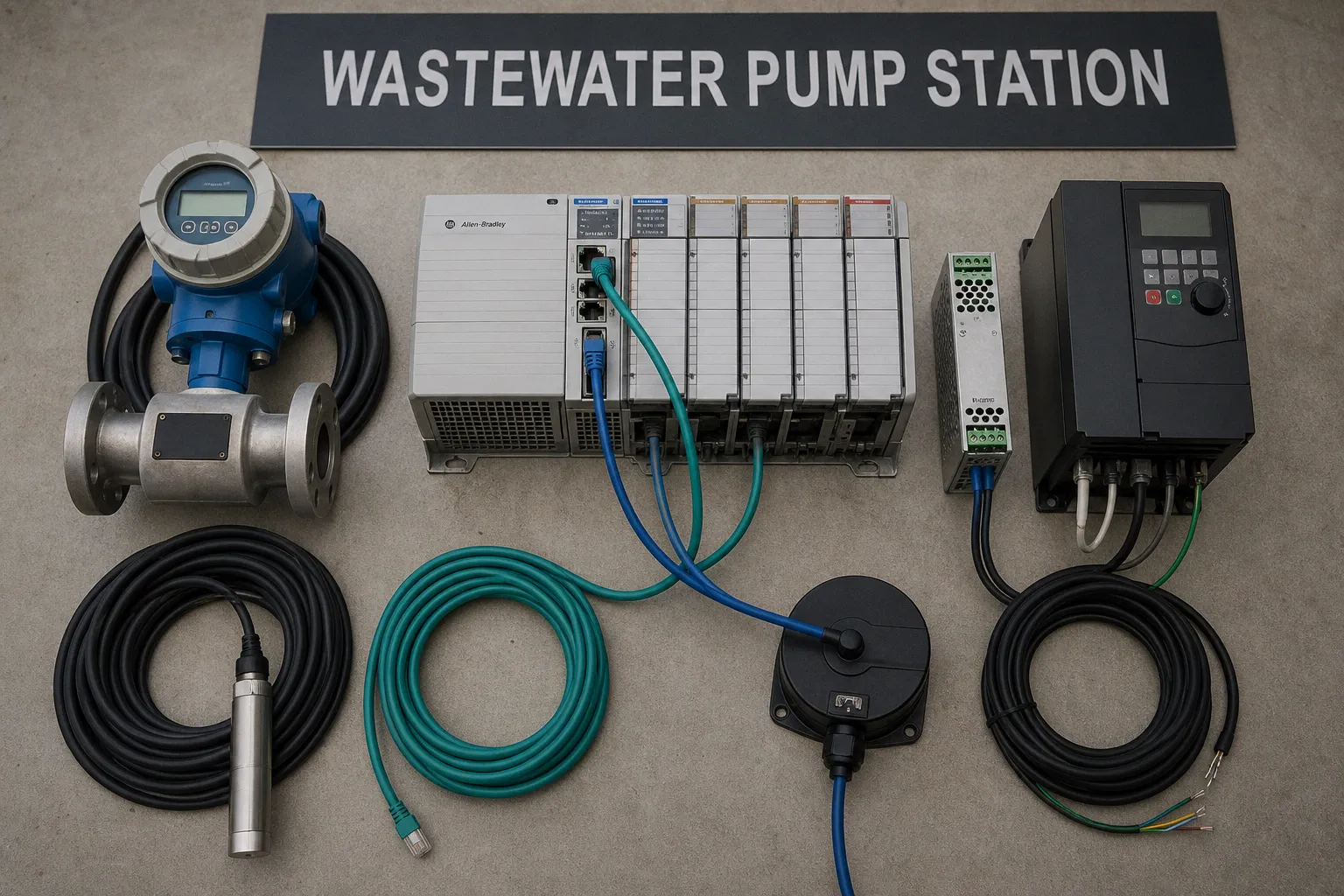
According to impeller.net, South West Water was drowning in exactly this kind of noise: ten thousand alerts a month, with ninety-five percent of them turning out to be non-genuine. That is the everyday reality the water sector is slowly waking up to, and it is the reason the conversation around infrastructure resilience has shifted away from stacking more boxes and toward genuine integration.
Why fragmentation quietly costs you the shift
For years, the standard answer to water and wastewater complexity has been to bolt another layer of monitoring on top of the last one. You end up with a patchwork — a SCADA here, a telemetry unit there, a logging tool that only the compliance team really knows how to read. Each piece does its job in isolation, but they don't speak to each other, and the operator at 3 a.m. is the one left translating between them on the fly. That's the bottleneck Grundfos is working to close through its 2023 acquisition of remote telemetry specialist Metasphere, folding pump hardware and cloud-based analytics under a single point of contact. As Ryan Pearson, head of business development at Grundfos, put it, "This integration directly addresses fragmentation, which is a major industry bottleneck. For many utilities, the smart water revolution has resulted in a patchwork of isolated systems that do not talk to each other."
What changes when the data finally talks back
The early results from the South West Water deployment are the part we should pay closest attention to, because they describe the operator experience we actually want. Metasphere's analytics platform pulls in real-time rainfall, ground saturation, and tidal data, then filters the noise so that what reaches the field team is something they can act on rather than scroll past. Imagine your morning handover: instead of triaging a hundred vague alerts over a lukewarm coffee, you walk out with three precise ones, each tied to a likely cause. That shift — from reactive noise to guided response — is the real resilience dividend. It also accelerates research and development cycles and IoT integration across the wider portfolio, using the company's global footprint to de-risk large-scale digital rollouts.
The other pressure you can't afford to miss
Resilience isn't only about tightening integration on the inside of your network. It's also about the supply chain you depend on without ever seeing it. Reuters reports that U.S. authorities, including the FBI, are investigating a data breach at Micro-Comm, a Kansas-based supplier of programmable logic controllers used in wastewater facilities. The incident is a quiet reminder that operational technology in the water sector is now firmly part of the cyber threat surface, and that the same connectivity delivering visibility to your operators is also opening new doors for adversaries. If your procurement team hasn't asked your PLC vendor about their incident response posture in the last twelve months, this is a good week to start that conversation.
Step back, and the picture is straightforward. The future of water infrastructure won't be won by a single clever pump or a single clever sensor. It will be won by closing the loops — between data and decision, between hardware and analytics, between the control room and the people who keep our systems running. That's the real work, and it lives or dies on the daily experience of the operator on shift.