Why Peristaltic Hose Pumps Are the Standard for Severe Mining Slurry
As Pump Industry Magazine notes, peristaltic hose pumps are increasingly preferred for severe mining slurry work, such as thickener underflow, because they keep the abrasive media trapped inside a…
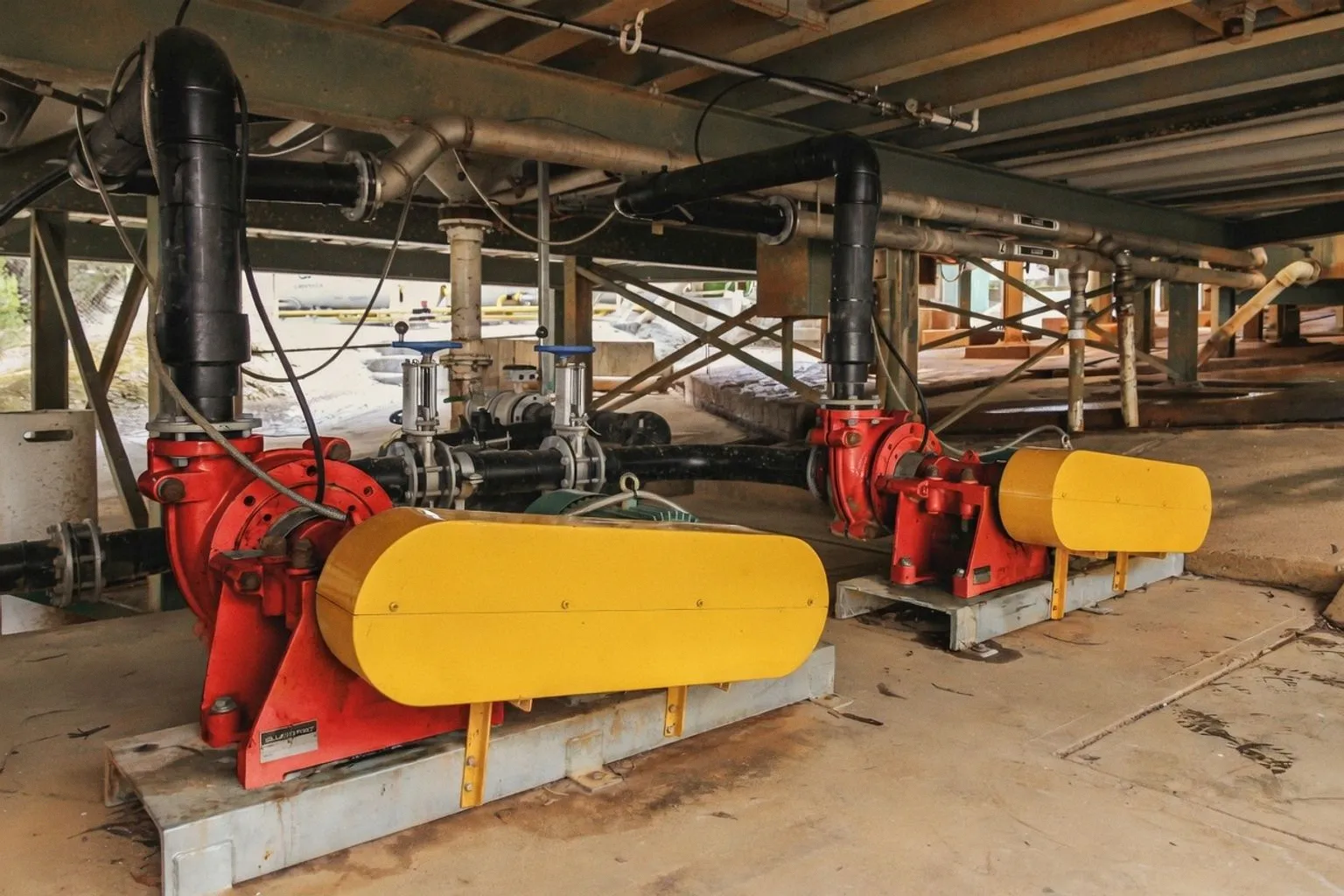
Picture this: you're twelve hours into a shift at the thickener, the underflow line is running heavy, and somewhere in the back of your head a small voice is asking how many weeks you have before the pump decides to quit on you. That question — the one operators carry quietly through every long rotation — is exactly why peristaltic hose pumps are winning more conversations on severe slurry duties. As Pump Industry Magazine notes, peristaltic hose pumps are increasingly preferred for severe mining slurry work, such as thickener underflow, because they keep the abrasive media trapped inside a reinforced hose, leaving no impeller and no mechanical seal exposed to the slurry at all.
What the design choice actually changes on the floor
When the abrasive stream never touches a spinning impeller or a seal face, a lot of the things we associate with slurry duty quietly step out of the way. There is no seal-flush circuit to babysit, no packing to re-torque at 3 a.m., no sleeve that wears down on a clock you can't control. Think of it like this: instead of asking the pump to survive the slurry, the hose becomes a consumable that takes the hit on your terms — replaced during a planned window, not during an unplanned stop. That single shift in thinking is what separates a tailings pump that runs with the maintenance calendar from one that drags the calendar around after it.
The contrast that makes the case
For a feel of what happens when that isolation isn't there, consider a recent copper-mine retrofit described in Processing Magazine. A critical underflow thickener pump — a Warman 550 moving roughly 65% solids — was running on a traditional packing arrangement. Sleeve replacements were landing every four months, and each one was a two-shift, around-36-hour event with a 100-ton crane and a full mechanical crew. The mine retrofitted a custom mechanical seal at the rear of the pump, and early figures show around 288,000 liters of sealing water saved per day, with maintenance now lined up to the site's planned annual major service interval. It's a powerful outcome on its own — and it's also a vivid reminder of how much complexity slurry service removes when the pump architecture isolates the abrasive stream from the start.
What to walk through on your own circuit
If you're standing next to a thickener underflow line and wondering whether a peristaltic configuration is worth a serious look, bring a few questions onto the floor with you. How many of your last twelve months of stops were sleeve, seal, or packing events rather than liner or impeller wear? How much sealing water is your parallel unit still drinking? And how often does your team pull a heavy crane just to keep one pump honest? The answers usually tell you whether you're managing a pump — or whether the pump is managing you, your crew, and your shift roster.