Metso Expands Slurry Handling Capabilities with Flowrox Pump Acquisition
According to International Mining, Metso has signed an agreement to acquire the peristaltic hose pump and progressive cavity pump lines currently sold under the Flowrox brand from Valmet, with the…
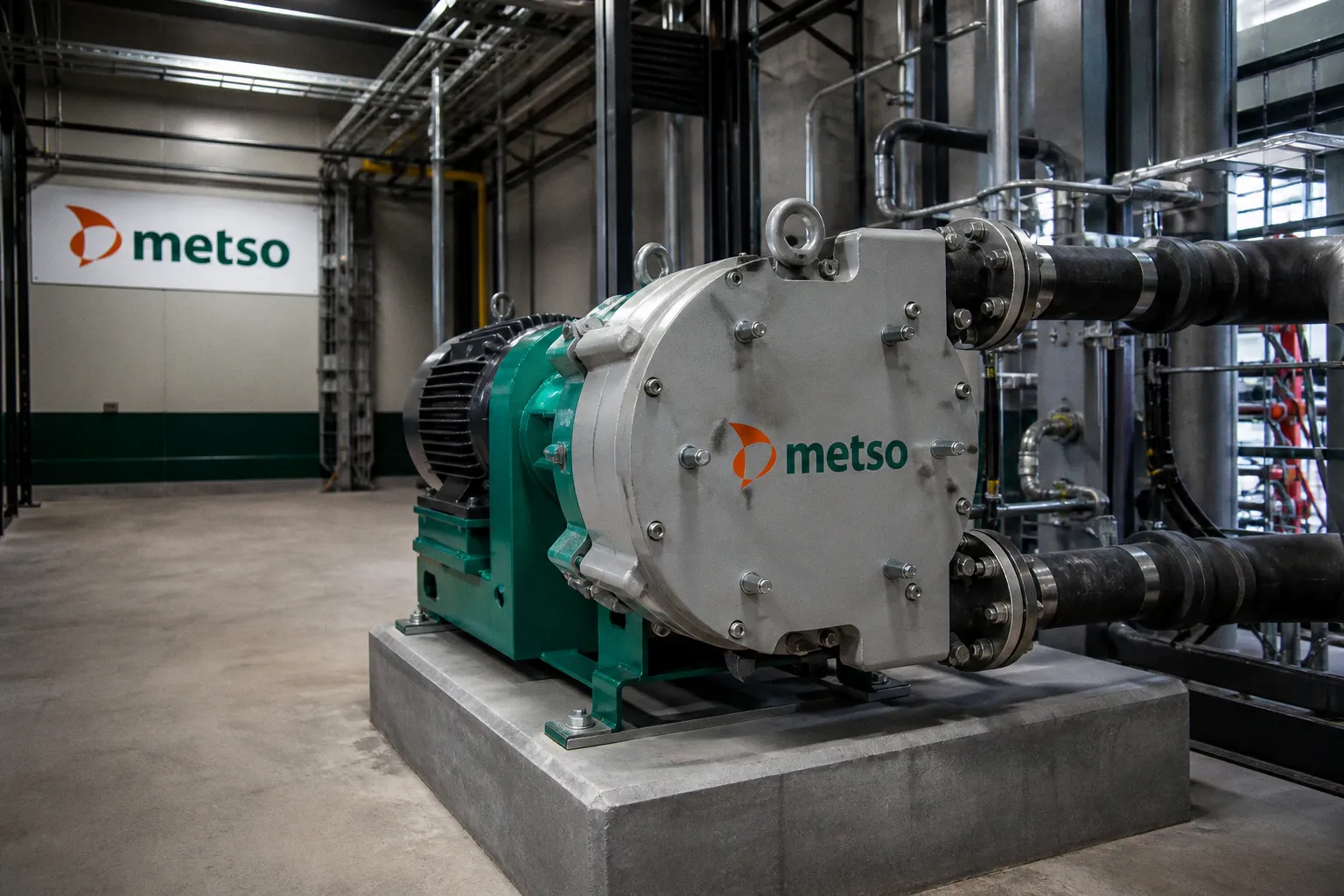
If you've ever watched an operator wrestling with a slurry hose that's started to balloon near the coupling, or traced a progressive cavity pump's slow decline through its rotor-stator clearance, you know the choice of pumping technology isn't a line item on a procurement spreadsheet — it's a daily friction point on the floor. According to International Mining, Metso has signed an agreement to acquire the peristaltic hose pump and progressive cavity pump lines currently sold under the Flowrox brand from Valmet, with the stated goal of strengthening Metso's slurry handling portfolio across mining and industrial applications.
What this kind of move looks like on the ground
We tend to feel corporate announcements like weather changes — first in the small things, then in the larger systems. Peristaltic and progressive cavity pumps live in some of the harshest corners of a plant: abrasive tailings, thick underflow, chemical dosing skids where a dry run would be catastrophic. When the OEM relationship moves, the people who feel it first are the maintenance planners and the warehouse staff, not the executives signing the release. If a hose supplier consolidates under a new parent, you'll notice it in lead times, in the way service manuals are reissued, in how a serial number maps to a warranty — long before the pump itself behaves any differently.
That matters because these pump families are chosen precisely for their serviceability. An operator on the third shift doesn't care about corporate strategy; they care whether the next hose is in the cage and whether the technical support line picks up.
A practical pass before the news cycle cools
If you're currently specifying, stocking, or maintaining Flowrox equipment, a few things are worth pulling up now while details are still thin:
- Your installed base list. Walk the plant and note model numbers, hose sizes, stator compounds, and drive configurations. That list becomes your cross-check when spares are re-catalogued under a new part-numbering scheme.
- Your open orders and contracts. Review any pending purchase orders, warranty registrations, or service agreements that name Flowrox or Valmet directly. Ownership transitions are exactly the moment when terms get reviewed, and clauses around continuity of supply tend to matter more than headline pricing.
- Your technical contacts. Identify whether your current support channel sits inside Valmet's flow control organization or already routes through Metso's aftermarket group. The integration path will almost certainly run through whichever network has the denser pump footprint in your region, and knowing that ahead of time saves a lot of phone tag later.
What to watch without overreacting
We don't yet have a closing date, transaction value, or integration timeline in the public reporting — and those are the details that will decide whether the transition feels invisible or disruptive on the ground. For now, treat this as a signal that consolidation in mining slurry handling is pulling two familiar pump families under a single aftermarket roof. The smart move is to track it quietly, get your documentation in order, and wait for the technical bulletins that always follow the press release. On a plant floor, the pumps don't change because of a corporate signature — but the support ecosystem around them often does, and that's where the real-world impact lands.