Main Street Pump Station Upgrades: Critical Infrastructure Rehabilitation Insights
That's the kind of everyday reality behind the Orange County Sanitation District's update on the Airway-Airport Loop Sewer Rehabilitation: most of the heavy construction along that one-mile stretch…
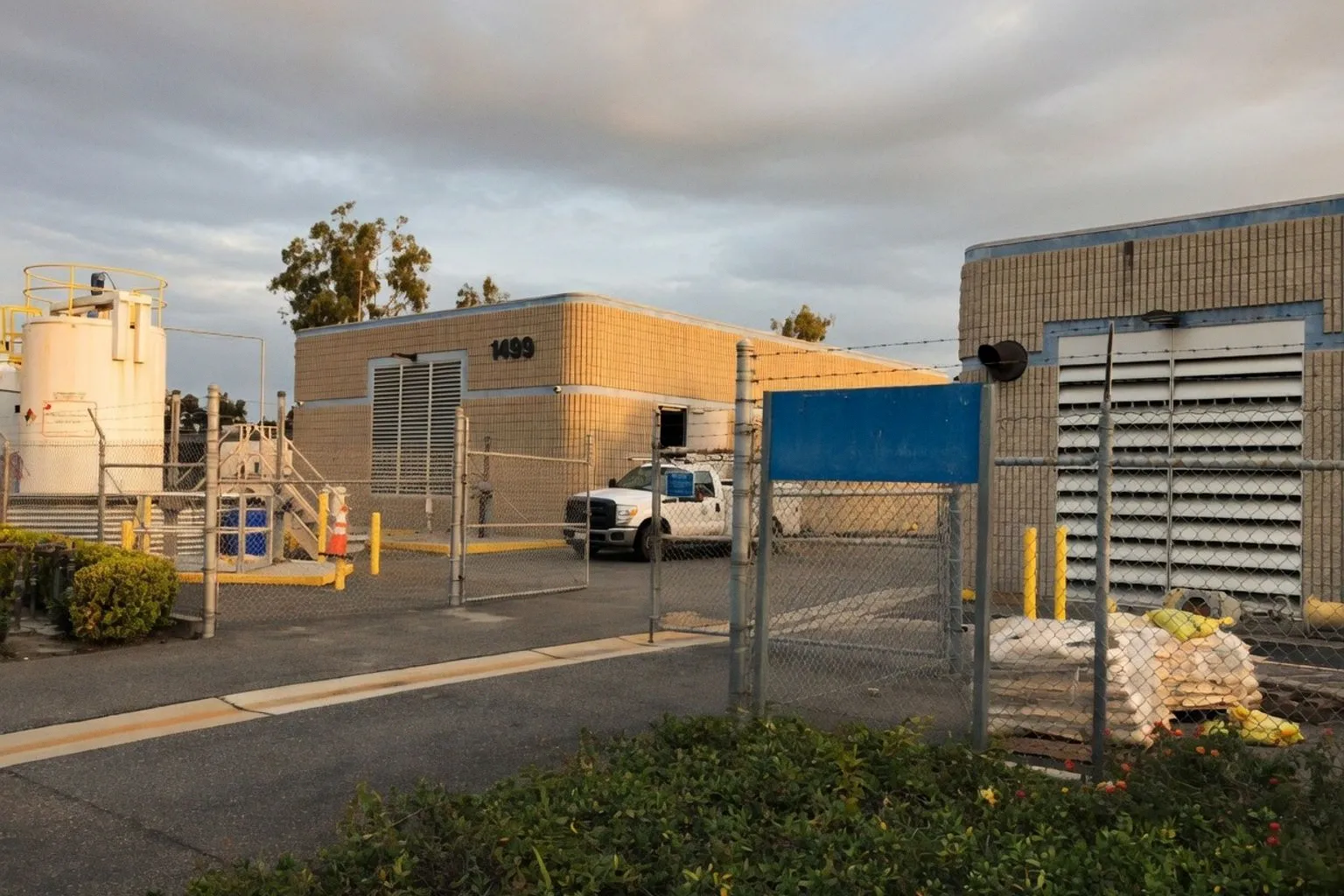
When you're standing at a pump station at 2 a.m. and a valve fails mid-cycle, nobody cares about the project timeline — they care about whether the backup kicks in. That's the kind of everyday reality behind the Orange County Sanitation District's update on the Airway-Airport Loop Sewer Rehabilitation: most of the heavy construction along that one-mile stretch near John Wayne Airport is done, but the work isn't finished. What's left is happening right now at Irvine's Main Street Pump Station, and it's the part that matters most to anyone who touches pumps and valves for a living.
What's Still on the Table
The remaining scope is focused squarely on the pump station itself — rehabilitation and construction involving pipelines, pumps, and valves. If you've ever watched a station go from "mostly functional" to "fully hardened," you know this is where the real craft lives. It's not the glamorous trench work that closes lanes and makes the evening news. It's the careful, iterative process of making sure every valve seats properly, every pump cycles under load, and every pipeline joint holds when the system goes back to full capacity. The District notes that the two parallel regional sewer pipelines are being rehabilitated one at a time, in separate phases — which means operators at the station are likely working around live infrastructure the entire time.
Why This Matters on the Ground
For anyone who maintains pump stations, there's a quiet lesson here: rehabilitation isn't a single event, it's a sequence. You don't just swap out hardware and walk away. You test, you cycle, you watch for vibration patterns and pressure anomalies that only show up after the third or fourth run. The Main Street station work is a reminder that even when a project "wraps up" in the public eye, the station crew is still in the thick of it — tuning, adjusting, and making sure the equipment behaves the way it should when nobody's watching. If you're sourcing valves or pump components for a similar rehabilitation, this is the moment to double-check your spec sheets against the actual operating conditions at the station, not just the original design documents.
What to Watch
The District asks the public to check back regularly for updates, and that's good advice for hardware folks too. Dates and times shift due to operational factors and weather — anyone who's scheduled a valve replacement around a rainy week knows that drill. Keep an eye on whether the phased approach introduces any extended downtime windows that might affect downstream systems. And if you're in the Costa Mesa area, there's a related sewer rehabilitation project along I-405 worth tracking in parallel, since shared infrastructure means shared surprises.