Mastering Plant Turnarounds: Strategic Decisions for Industrial Valve Maintenance
As reported by Valve Magazine from the floor of the 2026 Valve Repair Seminar, that nightly puzzle is being played out at industrial scale right now, and the stakes have never been higher.
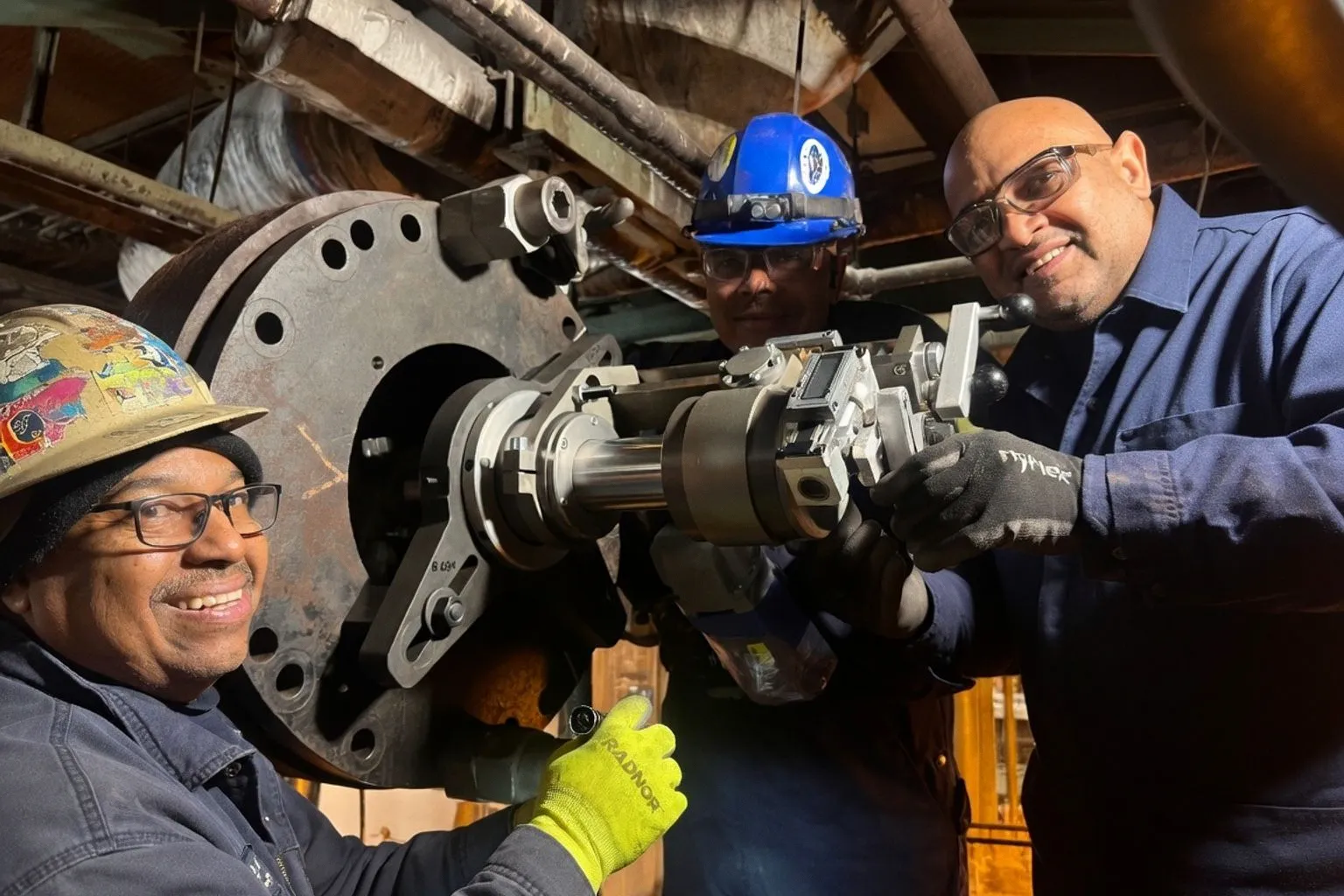
Picture yourself on the floor at three in the morning, flashlight between your teeth, trying to figure out whether this control valve gets a second life or a one-way ticket to the scrap yard. If you've ever stood in that exact spot, you already know what a turnaround really is — and why the decisions made during those few precious days ripple through the next three to five years of plant life. As reported by Valve Magazine from the floor of the 2026 Valve Repair Seminar, that nightly puzzle is being played out at industrial scale right now, and the stakes have never been higher.
Why the Clock Costs What It Costs
Here's the thing we tend to forget on the ground: shutting down a plant isn't like flipping a light switch. Every hour the line is cold, the meter is running, and the budget is bleeding. That's why turnaround planning, as the seminar laid out, typically begins twelve to eighteen months before anyone so much as tightens a bonnet bolt. The whole exercise is really an exercise in triage — thousands of work orders all queued up, each one carrying its own little branch of the decision tree.
If a piece of equipment can only be safely reached while the unit is offline, it goes on the list. If the maintenance can ride along in a normal operating window, it stays out of the way. Simple in theory, brutal in practice, especially when you're staring at a forty-year-old gate valve and nobody on the current crew was born when it was installed. The seminar speakers drove that point home again and again — defer what you can, but never gamble on the work that only the outage makes possible.
The Repair-or-Replace Math
When we walk the floor alongside our maintenance teams, the conversation almost always comes back to one question: is this worth fixing, or do we swap it out? A good repair, carried out to original OEM specifications through a reputable partner who works hand-in-hand with the manufacturer, can buy you another three to five years of reliable service. A bad call — the kind made in a hurry at two a.m. because someone forgot to order the right trim kit — can cost the plant many times the original repair price when it fails unplanned six months down the line.
The Valve Repair Council, which gathers repair shops and suppliers from around the world, keeps hammering on that exact point. Partner with the people who built the hardware. Don't roll the dice on a clone gasket and a hope, because operator fatigue, rushed shifts, and improvised fixes are exactly how the next unplanned shutdown gets booked.
What's Coming Down the Pipe
While the refineries and petrochemical plants are running their dance, there's a quieter shift gathering pace in another corner of the process world. According to ETChemicals, demand for threaded ball valves is projected to climb sharply as new semiconductor fabs come online across the globe. Those high-purity lines need precise, repeatable flow control, and the threaded ball valve is quietly doing a lot of the heavy lifting inside them.
For those of us who specify hardware for a living, it's worth keeping that segment on the radar. The supply pressure that builds around the fabs eventually trickles back into the chemical plants that feed them, and before long you'll be negotiating lead times on commodity valves that used to ship from stock. On the ground, that just means one more variable to plan around — and one more reason the next turnaround deserves every bit of the twelve to eighteen months you can give it.