Deadline extended for Sweet Heat 2026
According to HPAC Magazine, the entry deadline for Sweet Heat 2026 has been extended by one week, giving Canadian plumbing and heating contractors until Friday, August 7, at midnight Pacific Time to…
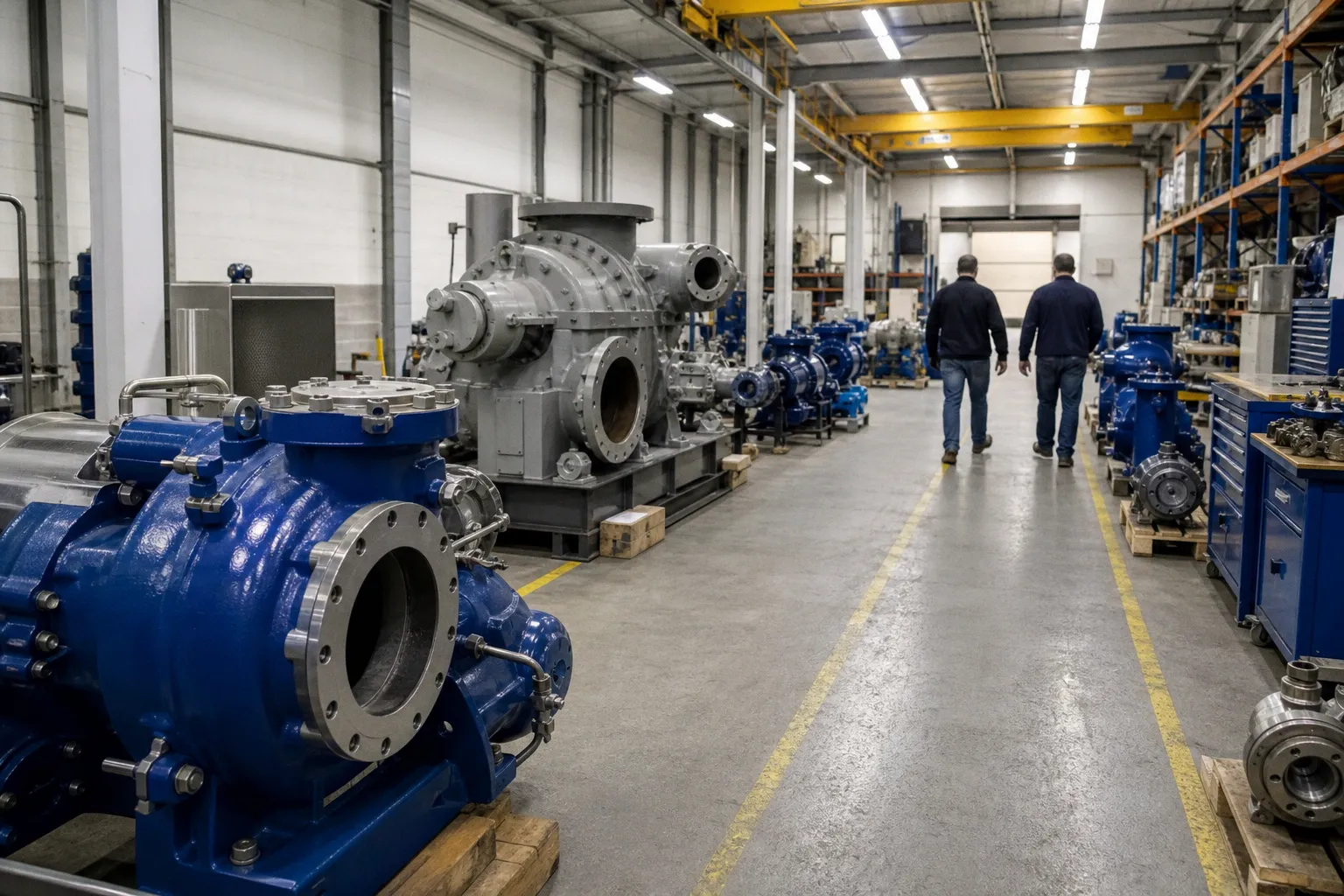
According to HPAC Magazine, the entry deadline for Sweet Heat 2026 has been extended by one week, giving Canadian plumbing and heating contractors until Friday, August 7, at midnight Pacific Time to submit completed hydronics projects. On the ground, this is useful extra breathing room: the finished installation may already be doing its job flawlessly, but the photos, schematic and project story often get left until the crew is already onto the next call. For anyone proud of a pump selection, manifold layout or radiant system that made a difficult job work, this is the moment to document it properly.
A finished install needs a clear story
Sweet Heat accepts entries in Residential New Build, Residential Retrofit, and Commercial/Industrial/Institutional categories. Contractors may submit one entry per category, for up to three entries in total.
The practical requirement is more than a set of attractive equipment-room photographs. Entrants are asked to provide photos of a completed installation, complete the official form, identify where and when the work was completed, and explain the job in three direct ways: what challenges had to be solved, how the system addressed them, and what made the approach creative or innovative.
That is a useful design discipline even before we talk about a contest. If a project involved awkward access, a retrofit constraint, a demanding load profile or a customer who needed a system that was easier to live with, show the decision path. If-then logic is often the clearest way through it: if the existing conditions limited the layout, then why was this piping arrangement chosen? If energy use or control simplicity mattered, then how did the circulator, manifold or system architecture respond?
What to prepare before August 7
HPAC Magazine notes that judges in past years have favoured “simple complexity”: installations that resolve real technical demands while remaining approachable for the customer. That should shape the submission package.
Start with photographs that let another installer understand the work without standing in the mechanical room. Then add schematics or drawings where they clarify the system design and the reason for choosing that route. A diagram is not decoration here; it is tactile feedback for the reader of the project, the equivalent of being able to trace a line set, valve group or pump circuit with your own hand rather than guessing from a wide-angle image.
The project summary should also stay close to real-world context. Explain the constraint, the design response and the result for the person who will operate, maintain or simply depend on the system. Avoid turning the description into a component inventory. Equipment matters, of course, but the stronger account is usually the one that shows why each choice reduced friction for the people using the building.
A worthwhile pause in the work cycle
The prize collection is valued at more than $12,000 and is sponsored by CB Supplies and Grundfos. CB Supplies is offering a hydronics package including an IVAR manifold and VIPERT Radiant PEX, while Grundfos will provide a USPe or Magna3 circulator pump to winners.
Winning entries are scheduled to be announced at the Modern Hydronics Summit in Toronto on September 10 and featured in HPAC Magazine’s October 2026 issue. But the more immediate value is operational: taking the time to record a successful installation creates a reusable reference for future bids, training conversations and design reviews.
A well-documented hydronic project does not just look polished in a photograph. It helps us remember what solved the hard part of the job—and, ultimately, how thoughtful hardware choices can make daily work easier for everyone living with the system.