The AI Cooling Crisis: Why Liquid Systems Are Replacing Traditional Airflow
In a recent conversation with China Daily, Julian Trascasa Cano, vice-president for industry solutions and marketing at Grundfos, framed what's happening as a shift in chip power requirements and…
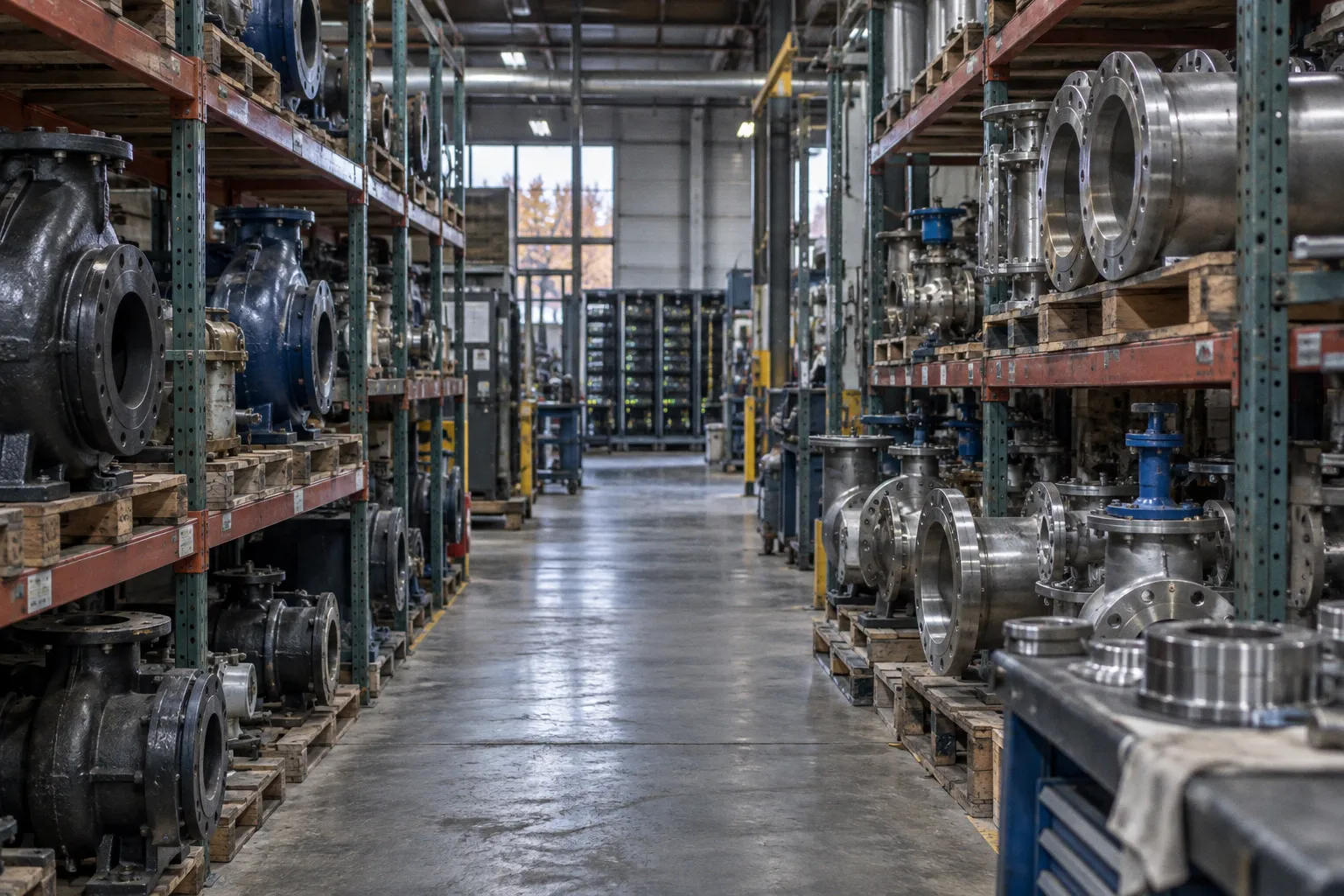
You've probably stood next to a server rack on a service call and felt the heat radiating off it — that wall of warm air pushing back at your face when you lean in to swap a component, the way the noise swells as the fans ramp up to chase temperatures back down. Multiply that sensation by a thousand racks packed into a single hall, and you start to understand the pressure that AI workloads are putting on the people who design the cooling underneath them. In a recent conversation with China Daily, Julian Trascasa Cano, vice-president for industry solutions and marketing at Grundfos, framed what's happening as a shift in chip power requirements and rack density that is straining the air-cooling setups the industry has leaned on for decades.
The density dilemma, on the ground
What does this look like for the rest of us who specify and maintain the hardware that keeps these systems alive? If you have ever tried to push more throughput through an older chilled-water loop — adding balancing valves, retuning centrifugal pumps, watching flow meters drift out of calibration as the heat load climbs — you have lived through a small version of what data center operators are now facing at scale. Trascasa Cano described the situation as an industry "density dilemma," where computing capacity, energy use, and water consumption all have to be coordinated rather than optimized one loop at a time. The headline takeaway is straightforward: air cooling alone cannot carry away the heat that modern AI racks generate, and liquid cooling is moving from a niche option to the default conversation in new builds.
What this means for the pumps on the skid
If you are sourcing equipment for a liquid cooling loop — whether for a hyperscale hall, a colocation retrofit, or a smaller edge deployment — the practical questions change quickly. Head pressure curves matter more than raw flow, because the secondary loops in these systems run at tighter tolerances and demand predictable behavior across a narrower operating band than a traditional HVAC chilled-water plant. If the loop includes a coolant distribution unit, you are sizing for partial-load efficiency as much as full-load performance, which is why pump makers like Grundfos are bundling variable-speed drives and controls into the package rather than treating them as optional accessories. Trascasa Cano also pointed to China as an emerging opportunity zone for this kind of work, given the scale of new data center construction underway there.
What we will be watching from the service aisle
If you specify cooling for hyperscale or colocation sites, this is the right moment to ask your suppliers how their pump platforms behave at the higher inlet temperatures that direct-to-chip liquid cooling demands, and how their controls integrate with the building management layer above. If you are coming at this from the operator side, the takeaway is that the mechanical room is becoming a strategic asset again — the right pump curve selected today is the difference between a stable rack and a thermal event at two in the morning. We will be tracking how this conversation reshapes the hardware choices on the floor over the coming quarters, because for once the "boring" plumbing and the bleeding edge of AI are sitting in the same conversation.