Uzbekistan and Denmark Forge Industrial Ties to Modernize Water and Energy Infrastructure
According to Dunyo, the Embassy of Uzbekistan in Stockholm organized an online session this September with the Confederation of Danish Industry, Uzbek ministries, and a roster of Danish firms that…
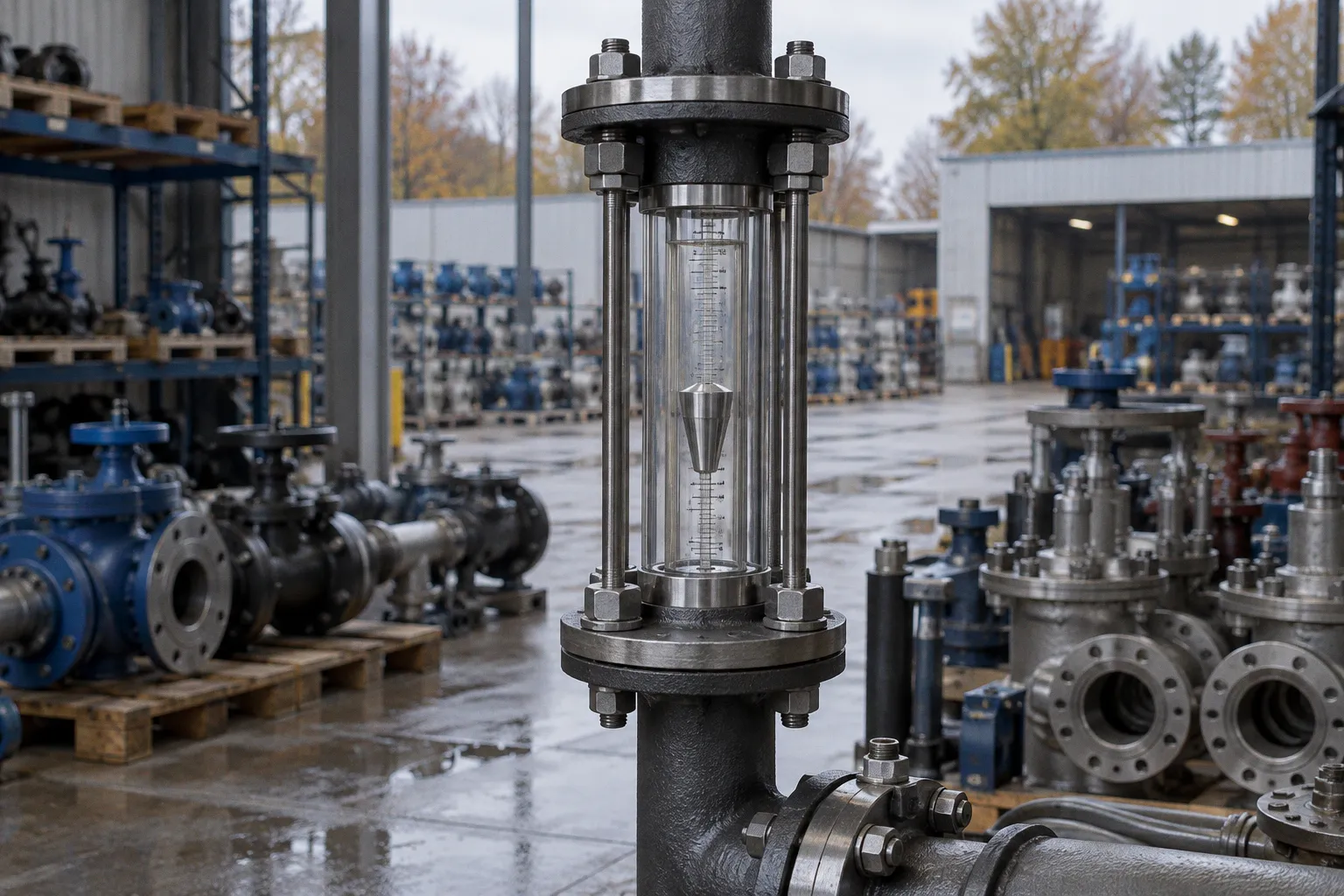
On the ground at a Central Asian water utility, a pump running two decades past its prime is the kind of asset this kind of meeting is built around. According to Dunyo, the Embassy of Uzbekistan in Stockholm organized an online session this September with the Confederation of Danish Industry, Uzbek ministries, and a roster of Danish firms that includes pump-maker Grundfos, valve manufacturer AVK, Maersk, Scan Global Logistics, Copenhagen Airport, FLS, and Carlsberg. The agenda — water and heat supply, energy efficiency, transport and logistics, aviation, and industrial cooperation — is, in procurement terms, where the work actually gets done.
Why a pump and valve catalog lands on this story
If you specify fluid systems for a living, Grundfos and AVK are names you reach for almost reflexively. Their presence in this meeting is the part that reaches our desks, because Denmark's industrial heavyweights rarely take a country-relationship call unless they see real orders behind it. The Uzbek side framed the opportunity around the "growing economic role of Central Asia" and "regional cooperation" — diplomatic phrasing that, translated into the language of a maintenance bay, usually means district heating retrofits, municipal water network upgrades, and industrial process line work. Those are the projects that, six to eighteen months later, turn into fresh pump orders, expanded valve SKUs, and a longer service-parts pipeline for the technicians on shift.
Think of it as an if-then for the spec desk: if a Danish business mission follows this online handshake, then the lead time on a replacement CR pump or a resilient-seated gate valve through any new regional channel may shorten — or shift — depending on the distributor and after-sales tier that gets established. For a plant running three shifts, that's not an abstract policy detail. It's the difference between a critical spare on the shelf at 2 a.m. and a maintenance window that stretches six weeks while a bearing waits for a freight forwarder.
What we should watch over the next two quarters
Diplomatic communiqués are polite by design, so the signal we want is the operational kind. Three things worth tracking: whether Grundfos or AVK announce a local distributor, service partner, or training center in Uzbekistan; whether Uzbek utilities publish tenders referencing European efficiency classes (which would imply new spec language filtering down to integrators); and whether either side posts dates for the reciprocal business mission the meeting agreed to organize. Each of those is the difference between "interest expressed" and something we can spec against next quarter.
There's a quieter thread underneath, and it's the one that matters most for the people on the floor. Water and heat supply sits next to energy efficiency in these talks, and in real-world context that pairing usually pulls in variable-speed drives, smart control valves, and the kind of sensors that feed back into a SCADA layer. If that bundle lands, the technician we started with doesn't just get a quieter pump — she gets a unit whose curve adapts to demand, whose bearings can be monitored before they fail, whose cabinet UI doesn't fight her gloves. That's the kind of design decision that quietly removes operator fatigue from the second shift, and it's exactly the kind of choice we, as specifiers and service designers, get to push for the next time a catalog gets refreshed.
For now the meeting is a handshake. But handshakes between a pump giant, a valve maker, and a country rebuilding its water backbone have a habit of showing up in our maintenance logs sooner than the press release suggests.