Walrus Pump Targets AI Data Center Cooling with New IE5 Motor Technology
According to Markets Insider, Taiwan-based Walrus Pump has stepped into one of the hottest corners of industrial cooling — the AI data center — with a new line of pumps aimed squarely at coolant…
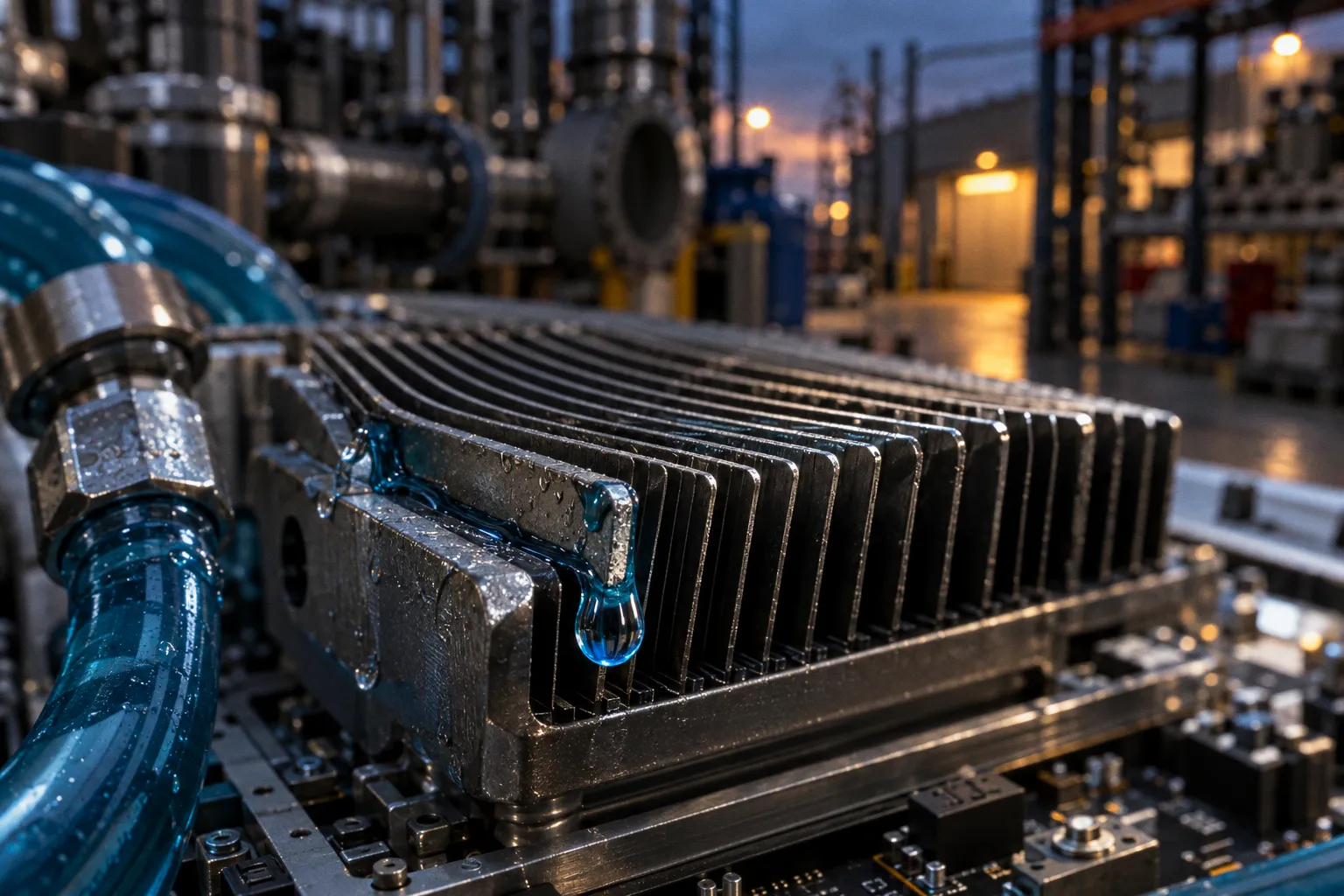
According to Markets Insider, Taiwan-based Walrus Pump has stepped into one of the hottest corners of industrial cooling — the AI data center — with a new line of pumps aimed squarely at coolant distribution units and immersion systems. The flagship here is the TPMS horizontal centrifugal pump, built around an ultra-slim IE5 permanent magnet motor.
What we're actually looking at
If you've ever walked a data center floor, you already know the cooling loop is the heartbeat of the whole operation. Walrus is positioning the TPMS as a purpose-built circulation pump, and that horizontal end-suction centrifugal geometry will feel familiar to most facility crews. The shift, though, is the IE5 permanent magnet motor — and the way it's packaged. An "ultra-slim" frame isn't just a tidy spec sheet detail; on the ground it means more headroom inside the skid, more breathing room when a technician is retrofitting into a tight CDU bay, and notably less wasted heat radiating from the motor housing itself. That's the kind of thing operators stop noticing in a good way.
Why this matters beyond the spec sheet
We see two practical levers here, and both are worth pulling on. First, efficiency: an IE5-class motor, paired with the right pump curve for low-flow, high-head coolant circulation, can quietly shave real kilowatt-hours out of your cooling budget across a year of continuous duty. Second, footprint and serviceability — a slimmer motor profile shortens the awkward crawl a maintenance tech has to make into a live, hot aisle when something has to come out. Anything that reduces mean time to repair inside a data hall compounds fast, because every minute of cooling downtime in that environment carries a price tag that dwarfs the pump itself.
What to check before you commit
The announcement is fresh, so what we have today is product positioning, not yet the full picture a procurement team wants. There's no independent test curve in the evidence, no field-deployment data from a named hyperscaler, and no published pricing tier. If you're weighing an evaluation, the right move is to ask Walrus directly for a pump curve matched to your specific coolant — glycol mix, dielectric fluid, whatever your immersion system actually runs on — along with efficiency maps across the expected duty range and references from production data centers rather than pilot rooms. We always recommend stress-testing the claimed gains against your own load profile before signing anything, because the difference between a spec sheet and a real-world curve is exactly where operator headaches tend to live.
A new entrant into a market this hot is good news for the buyers and for the engineers who have been waiting for more competition on the cooling-skid shelf. We'll be watching for the first independent duty curves and a real installation reference — those are the moments when a product announcement turns into a tool you can actually plan a maintenance schedule around.