Curtiss-Wright Secures $9.87 Million Navy Contract for Virginia-Class Submarine Pumps
Department of Defense contract notice dropped this week that quietly matters for anyone tracking the heavy end of the pump world.
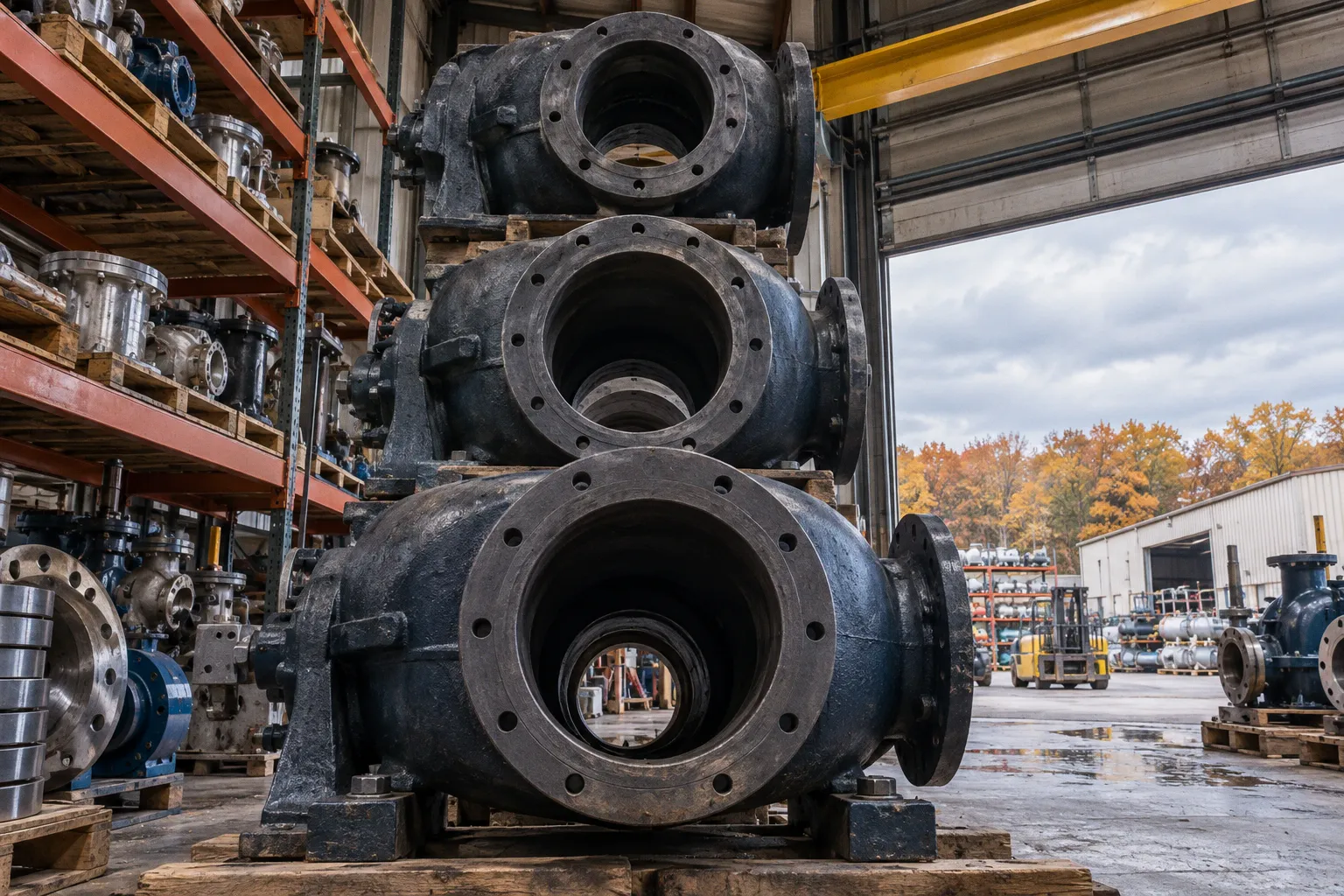
A U.S. Department of Defense contract notice dropped this week that quietly matters for anyone tracking the heavy end of the pump world. Curtiss-Wright's Engineered Pump Division, based in Bethlehem, Pennsylvania, has been awarded a $9,870,833 firm-fixed-price Navy deal to build seven hovering control/recycle pumps and their associated motors — all of them headed into Virginia-class submarines.
What the work actually looks like on the bench
When you read "hovering control/recycle pump," picture a piece of hardware that has to live inside a very tight envelope, hold its tolerances under the kind of vibration that would shake a shop-floor pump apart, and keep working in a seawater environment. If a standard industrial pump can be serviced with a comfortable two-handed grip and the wrenches hanging on your shop pegboard, these are designed around the opposite constraint: every clearance is shaped by what a technician wearing thick gloves inside a confined pressure hull can actually reach. The "firm-fixed-price" line in the award tells you something else worth noting on the ground — the supplier is absorbing the cost risk, which almost always means the engineering is already locked and the build sequence is well understood before the first chip hits the lathe.
Why the niche should pay attention
We have said before that the most honest signal in the pump sector is rarely a flashy product launch. It is a steady drumbeat of qualified, high-stakes work landing at established names. Curtiss-Wright's Engineered Pump Division is exactly that kind of name on a maintenance or procurement spec sheet. For the buyers and engineers we work with who spec pumps for naval, marine, or heavy-industrial service, a contract like this reinforces two practical things: the supplier base for high-spec, controlled-environment pumping is still healthy, and the Bethlehem facility is a place where the manufacturing chain is being actively exercised rather than quietly hollowed out. For readers browsing our catalog, that translates into continued availability of repair know-how, drawings, and replacement components across the wider Curtiss-Wright pump family — including the non-marine variants — because a division running real production stays sharp in ways that a dormant one simply cannot.
What we would watch next
If you are sizing a similar pump for a non-defense application and considering a Curtiss-Wright platform, keep an eye on subsequent DoD announcements over the coming quarters. A sole award for Virginia-class hardware rarely stays a one-off for long. The real question on the ground is not whether these seven units ship on schedule — the contract structure pushes that risk firmly onto Curtiss-Wright — but whether follow-on orders show up, and whether the same engineer's fingerprints start showing up on adjacent programs. That is the kind of quiet momentum a service designer or a maintenance planner should be tracking long before any press release celebrates it.