Fisher Pump Challenges Federal Waiver on $13M Industrial Pump Procurement
Imagine you're midway through a shift, and a critical transfer pump starts losing prime—a common, draining failure that stalls the line. You know the replacement is likely to arrive from a global supply chain, with lead times that extend downtime.
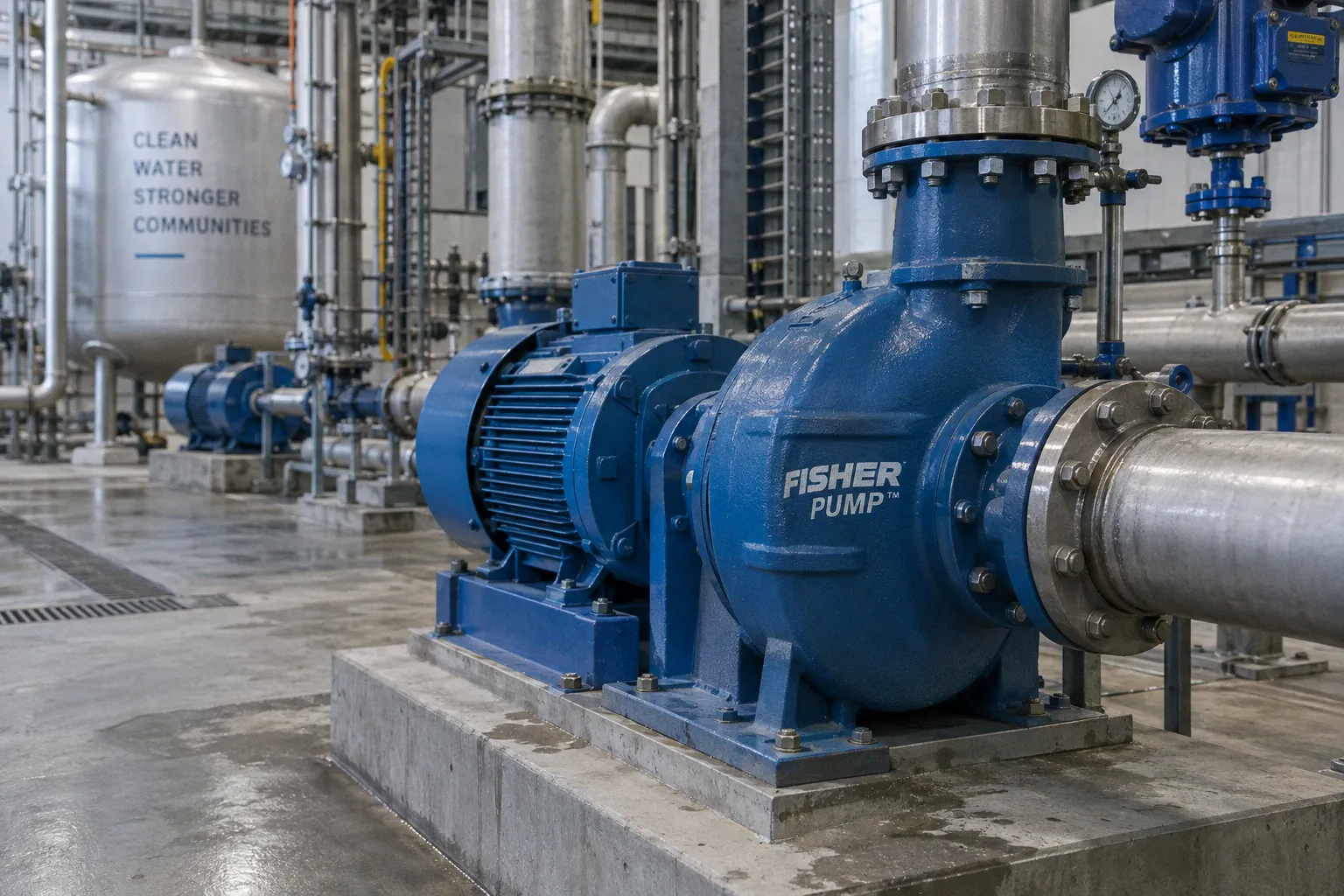
Now, picture a domestic manufacturer stepping in to say, "We can build that right here, right now." That's the real-world friction point behind a recent federal procurement decision, and why this story matters to everyone who depends on reliable fluid handling systems.
A Direct Challenge on Domestic Capability
Houston-based manufacturer Fisher Pump has formally objected to a Federal Highway Administration proposal to waive "Build America Buy America" requirements for approximately $13 million worth of industrial pumps. According to the company, the core of the objection is simple: it possesses the domestic manufacturing capacity to fulfill this order directly from its U.S. facilities. For plant managers and procurement officers, this isn't an abstract policy debate. It's a direct question of supply chain resilience. If a domestic option exists with confirmed capacity, relying on a waiver could mean introducing unnecessary logistical risk and longer lead times into critical infrastructure projects.
The Broader Market Currents
This challenge surfaces within a fiercely competitive industrial pumps landscape. Recent industry analysis points to major players like Grundfos, Flowserve, and KSB positioning for significant growth. Meanwhile, the market is actively consolidating; Franklin Electric recently completed a $350 million acquisition of Cat Pumps, a specialist in high-pressure industrial triplex pumps, to bolster its own flow-control portfolio. When large corporations are investing billions to expand their capabilities, a smaller player's assertion of its readiness becomes a noteworthy signal. It suggests that specialized domestic manufacturers see a viable path forward, not by avoiding competition, but by meeting specific, large-scale domestic needs directly.
What This Means on the Ground
For you, the engineer or operator specifying equipment, this event underscores a practical shift. The conversation is moving beyond just catalog specs and unit cost toward total lifecycle resilience. If a waiver is granted despite available domestic capacity, it sets a precedent that could affect future sourcing for municipal and industrial projects. If Fisher Pump's objection is upheld, it reinforces a pathway for U.S.-based manufacturers to compete for major contracts by leveraging reliability and shorter supply lines as key differentiators.
The takeaway is to watch the Federal Highway Administration's response closely. Their decision will offer a tangible clue about how "Build America Buy America" rules will be applied when a domestic supplier comes forward with proven capacity. In your next project planning session, it's worth asking: for our most failure-prone fluid-handling assets, what is the true cost and availability buffer of a domestically sourced replacement versus one that depends on a complex, global pipeline? The answer might shape your next specification sheet more than you think.