Nikkiso Secures Contract for 16 Cryogenic Pumps at Brunsbüttel LNG Terminal
If you've ever stood on a terminal apron during a cryogenic transfer and felt that faint vibration travel up through your boots, you know the stakes.
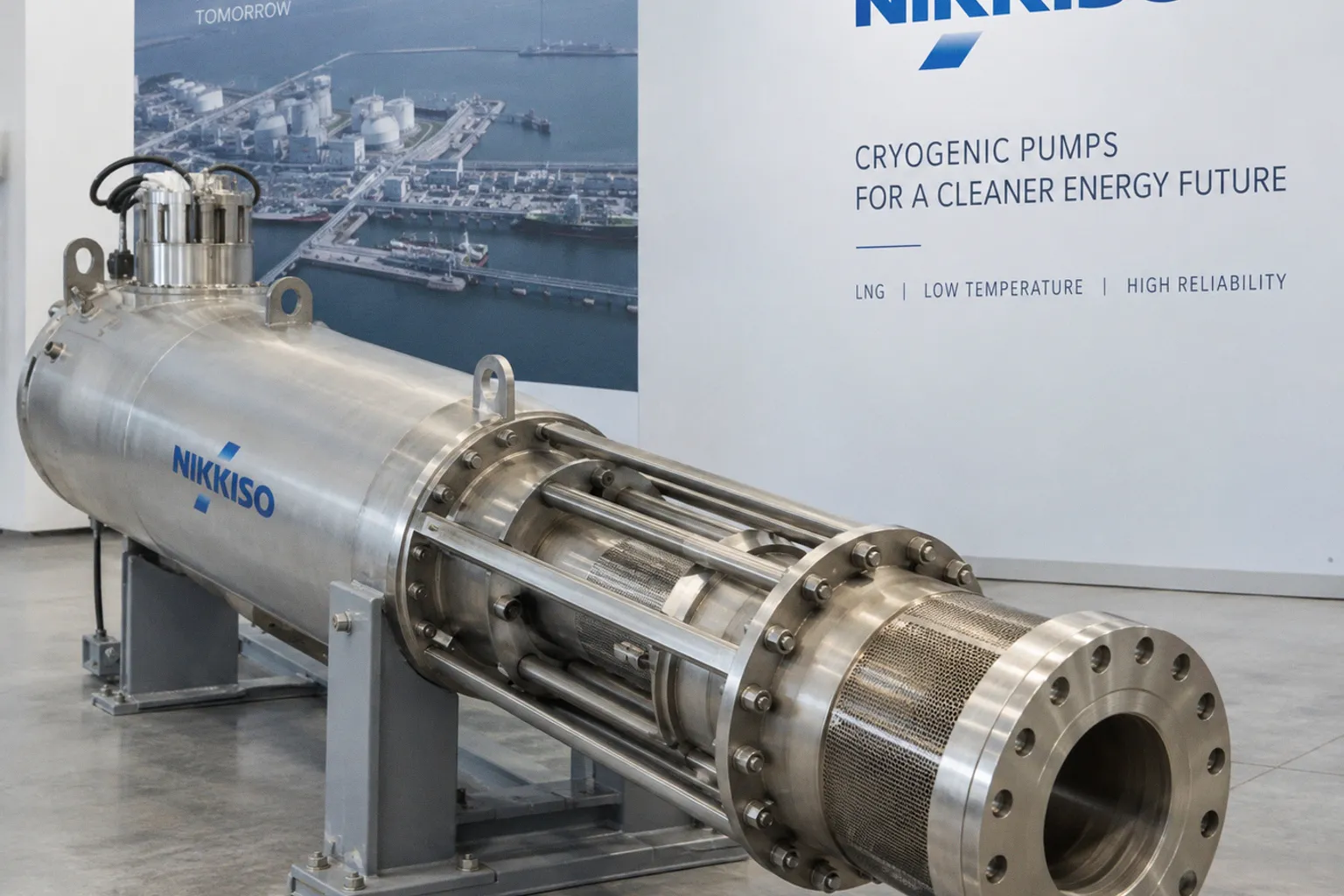
When 16 Pumps Need to Work in the Cold, Every Detail Matters
Nikkiso CE&IG has secured a contract to supply 16 submerged motor pumps for Germany's new Brunsbüttel LNG import terminal — a package that spans high-pressure, low-pressure, and ship-loading units, all designed for handling cryogenic fluid. For anyone who designs, specifies, or maintains pump infrastructure in LNG service, this is a real-world case study in how terminal-scale projects bundle equipment across the full transfer chain.
The Pump Package: More Than a Parts List
What makes this contract worth watching is the range. You're not getting 16 identical units bolted to a single skid. The reported scope covers high-pressure pumps for regasification-side duties, low-pressure pumps for storage and circulation, and ship-loading pumps for the marine interface. On the ground, that means three different installation envelopes, three different duty cycles, and three different maintenance rhythms your service teams will need to plan around.
Think about it in if-then terms: if the ship-loading pump trips during a berthing window, you don't just lose throughput — you lose schedule confidence for the vessel. If a low-pressure circulation pump develops seal wear, the operator fatigue factor climbs fast because those units tend to run continuously. Submerged motor design helps here, since the motor sits inside the cryogenic fluid, eliminating shaft seals that would otherwise be the weakest link in extreme cold.
A Parallel Signal from the Valve Side
The LNG equipment pipeline isn't just about pumps. Over in Korea, Goetze safety valves recently earned Korean Register approval for a separate cryogenic terminal project — covering LNG pipelines, a 350-bar pump application, and fire-protection systems. The KR approval process included individual inspections and cryogenic testing for each valve series, confirming suitability at low temperatures.
For us in the hardware design world, the takeaway is the same: regulators and classification societies are paying close attention to how every component in the LNG chain — from pump to relief valve to fire-safe isolation — performs under cryogenic conditions. If you're specifying equipment for a terminal build or retrofit, this is the level of documentation and testing your own procurement checklist should demand.
What to Watch on the Floor
Once Brunsbüttel moves from contract to commissioning, the real learning begins. We'll want to see how these submerged motor pumps hold up in the first 12–18 months of continuous operation — vibration trends, thermal cycling behavior, and whether the ship-loading units meet the fast turnaround schedules that LNG carriers demand. Until then, the Nikkiso order is a useful reminder: when you're designing for cryogenic service, the hardware you choose today shapes the operator's shift tomorrow.