Flowserve Q2 2026 Results: Why Aftermarket Demand Is Driving Growth
According to Investing.com, Flowserve Corporation reported a 26% year-over-year increase in bookings for the second quarter of 2026, reaching $1.35 billion. The increase was attributed to strong aftermarket orders and demand from the power sector.
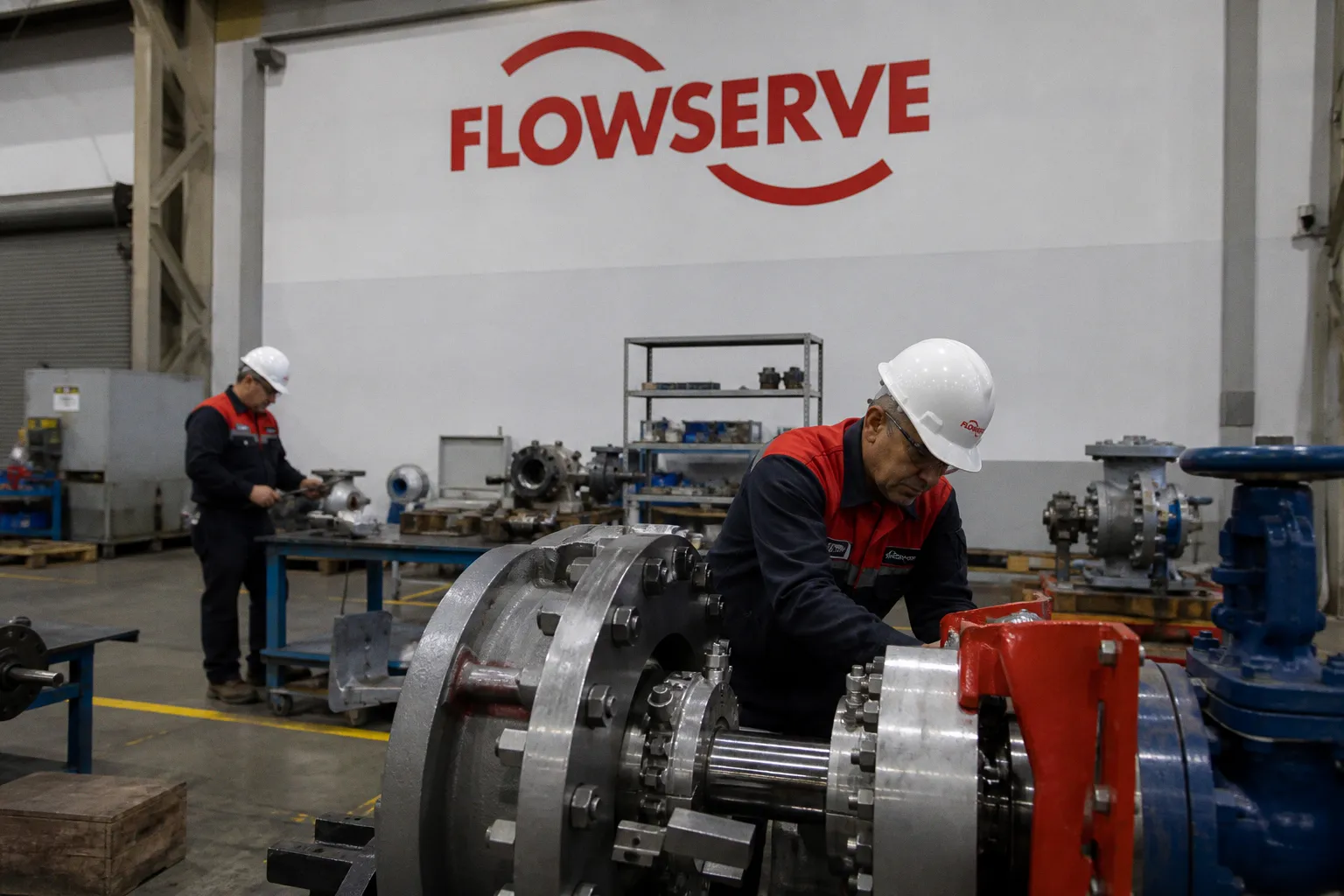
For teams responsible for pumps, valves, and other installed equipment, the useful signal is not simply that the number is large, but that replacement and service-related demand appears to be carrying meaningful weight.
The aftermarket signal matters on the ground
During a shift, the most expensive equipment problem is often not a dramatic failure; it is the small delay that keeps a line waiting for a replacement component, service intervention, or confirmed delivery date. If aftermarket orders are contributing strongly to Flowserve’s bookings, then the company’s reported momentum is connected to the installed base already operating in the field, rather than only to new capital projects.
That distinction matters when we evaluate suppliers. A new pump package can be selected around a project schedule, but aftermarket support is tested in real-world context: when a component is needed, when the operating conditions are less forgiving than the specification sheet, and when operator fatigue makes a workaround increasingly risky. Bookings growth does not prove that every customer is receiving faster service or better parts availability, but it does identify the aftermarket as an area worth watching.
For procurement and maintenance teams, the practical next step is to separate the headline from the evidence. Check whether your current supplier conversations are improving around spare-part planning, service responsiveness, and equipment support. If-then thinking helps here: if your site depends on aging or highly utilized equipment, then a supplier’s aftermarket capacity may be as important as its ability to win new-build orders.
What the $1.35 billion figure tells us—and what it does not
Flowserve’s bookings rose 26% year over year to $1.35 billion, according to the report. The stated drivers were strong aftermarket orders and power-sector demand. Those are the confirmed points; the available source material does not provide a detailed breakdown by product line, geography, pump type, valve type, order timing, or customer project.
That limitation is important. Bookings are an indicator of demand entering the business, not a direct measure of equipment shipped, installed, or performing successfully on the factory floor. We should also avoid treating the working headline’s reference to margin expansion as confirmed here: the supplied evidence supports the bookings increase, but does not include margin figures or a quantified profitability change.
For buyers, engineers, and service leaders, this means the number is best used as a monitoring signal rather than a purchasing conclusion. Ask what portion of a supplier’s current activity is connected to aftermarket requirements, and then compare that with your own exposure: critical spares, maintenance windows, equipment age, and the consequences of an unplanned stoppage. The financial result can tell us where demand is concentrating; it cannot replace a site-level review of failure modes and support needs.
A useful marker for power-sector equipment planning
The reference to power-sector demand gives the result a clear industrial context. It suggests that activity in this segment is part of the current bookings story, although the available evidence does not specify which projects, applications, or equipment categories are involved.
We should therefore track the next layer of detail rather than over-read one quarterly figure: whether future Flowserve updates provide more information on the balance between aftermarket and new equipment, whether the power-sector contribution continues, and whether any margin improvement is reported with supporting numbers. Those are the details that help translate a corporate presentation into a supplier decision.
Standing beside the equipment, the value of this update is practical: it reminds us to look beyond the initial purchase and ask how the full working life of a pump or valve will be supported. When a supplier’s reported demand is being driven partly by the installed base, the daily experience of the operator—less waiting, clearer service paths, and dependable access to the right hardware—becomes the real measure to follow.