Improving Centrifugal Pump Efficiency Through Additive Manufacturing and Design Optimization
According to a study published in MDPI’s Energies journal, researchers are examining optimization methodologies alongside additive manufacturing techniques for centrifugal pump impellers, with the…
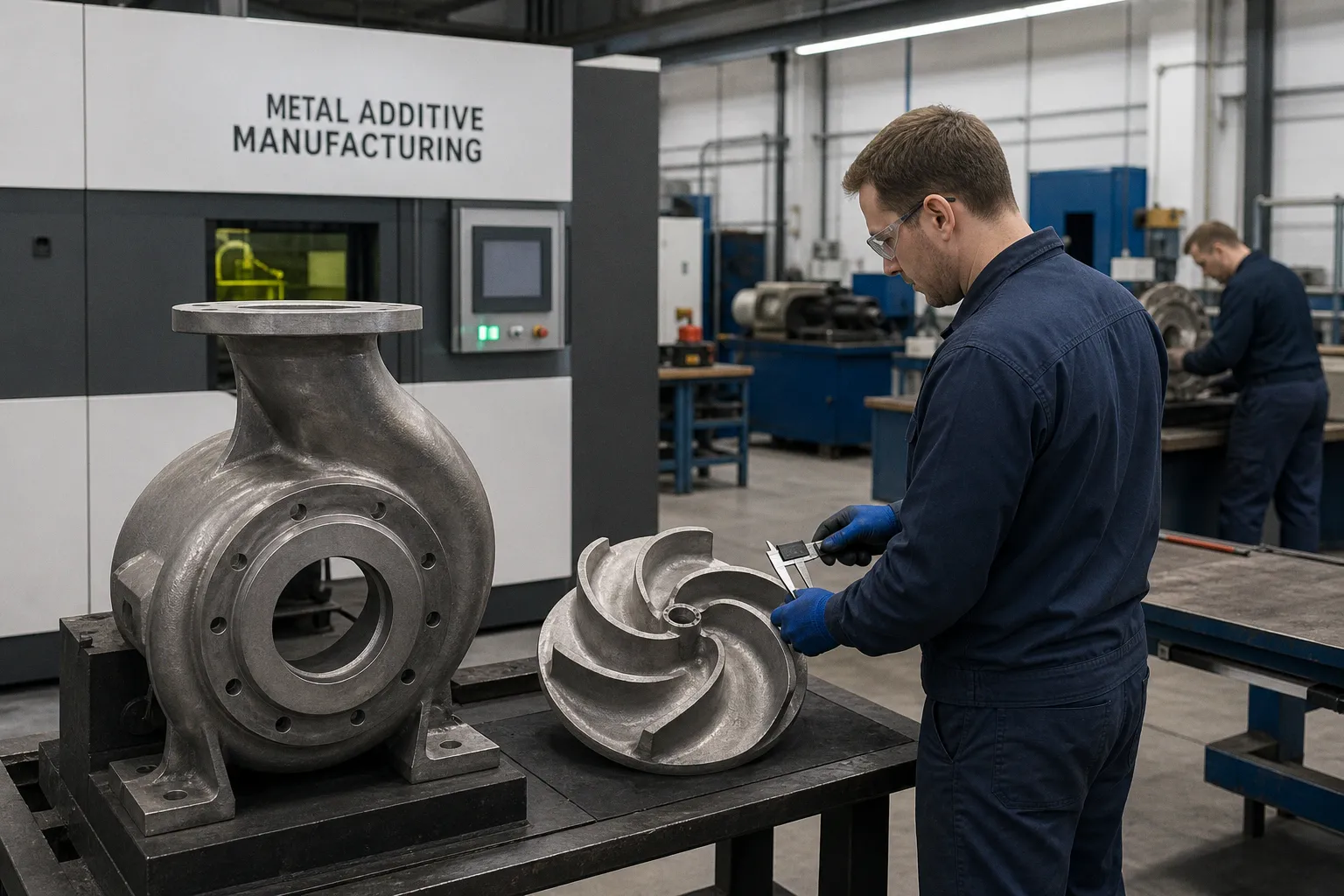
When you are standing on the factory floor and a centrifugal pump is expected to keep running through a demanding shift, the practical question is rarely whether a design looks innovative; it is whether the impeller supports dependable performance in the real-world context of the installation. According to a study published in MDPI’s Energies journal, researchers are examining optimization methodologies alongside additive manufacturing techniques for centrifugal pump impellers, with the stated focus on improving pump performance and efficiency. For equipment teams, the important point is not a finished product announcement, but a developing design route worth watching carefully.
The design question is moving toward the impeller
The impeller is where a centrifugal pump’s design choices become tangible on the ground. Its geometry has a direct place in the conversation whenever we assess how a pump is expected to perform, and this is why the MDPI study is relevant to engineers and equipment decision-makers rather than only to manufacturing specialists.
The research combines two areas: optimization methodology and additive manufacturing. The first signals a structured effort to examine and refine impeller design; the second points to the use of additive manufacturing techniques in producing or developing those components. The confirmed scope is focused on enhancing pump performance and efficiency, but the available source information does not provide the specific design variables, test conditions, measured improvements, or manufacturing process used.
That limitation matters. If we are comparing this research with equipment already operating in your facility, we should not treat the study as proof that every additively manufactured impeller will deliver better results. Instead, we should see it as an indication that impeller development is being approached through a combination of systematic optimization and newer production methods.
What to check before treating the approach as practical
If you are reviewing this work for a pump project, begin with the operating situation rather than the manufacturing label. We would want to know which performance criteria the researchers optimized, how those criteria were measured, and whether the test conditions resemble the duty expected from the pump on your floor.
The available information does not state whether the study addresses a particular pump size, fluid, operating range, impeller material, or installation type. Those details are essential before translating the research into a procurement or maintenance decision. A result demonstrated under one set of conditions may not automatically apply to another application, particularly when the pump’s duty, surrounding system, and operating pattern are different.
The same if-then logic applies to additive manufacturing. If the method is being considered for a new impeller, then we should ask how the component’s performance was evaluated and what quality controls were used. If it is being considered for replacement or retrofit work, then compatibility with the existing pump and the practical requirements of installation would need to be established separately. The source does not confirm those points, so they remain questions to verify rather than conclusions to publish.
For operators, this is also where tactile feedback and operator fatigue still belong in the conversation, even when the research is highly technical. A design that looks promising in a study must eventually fit into the physical routine around the equipment: inspection, handling, installation, and response when something does not behave as expected. The available evidence does not report those human or maintenance factors, but they are part of the real-world context in which any impeller design has to work.
A signal to monitor, not a shortcut to specification
The MDPI publication gives us a focused research signal: centrifugal pump impellers are being studied through optimization methodologies and additive manufacturing techniques, with performance and efficiency as the intended areas of improvement. It does not, based on the available snippet, establish a universal replacement standard or provide enough detail to select a component for a particular pump.
So, on the ground, the next step is straightforward. Keep the research on the watch list, but ask for the missing evidence before changing a specification: the optimization targets, validation method, operating conditions, materials, and confirmed performance results. If those details eventually align with your duty requirements, the work may become useful in a design or development pathway. Until then, the value is in knowing where impeller development is heading while keeping the daily reality of installation, maintenance, and operator workload firmly in view.