Women In MEP: In Conversation With Aneesa Naser Bittar, Royal Advance Electromechanical
As reported by MEP Middle East, the outlet has added a new conversation to its "Women In MEP" series, this time sitting down with Aneesa Naser Bittar of Royal Advance Electromechanical.
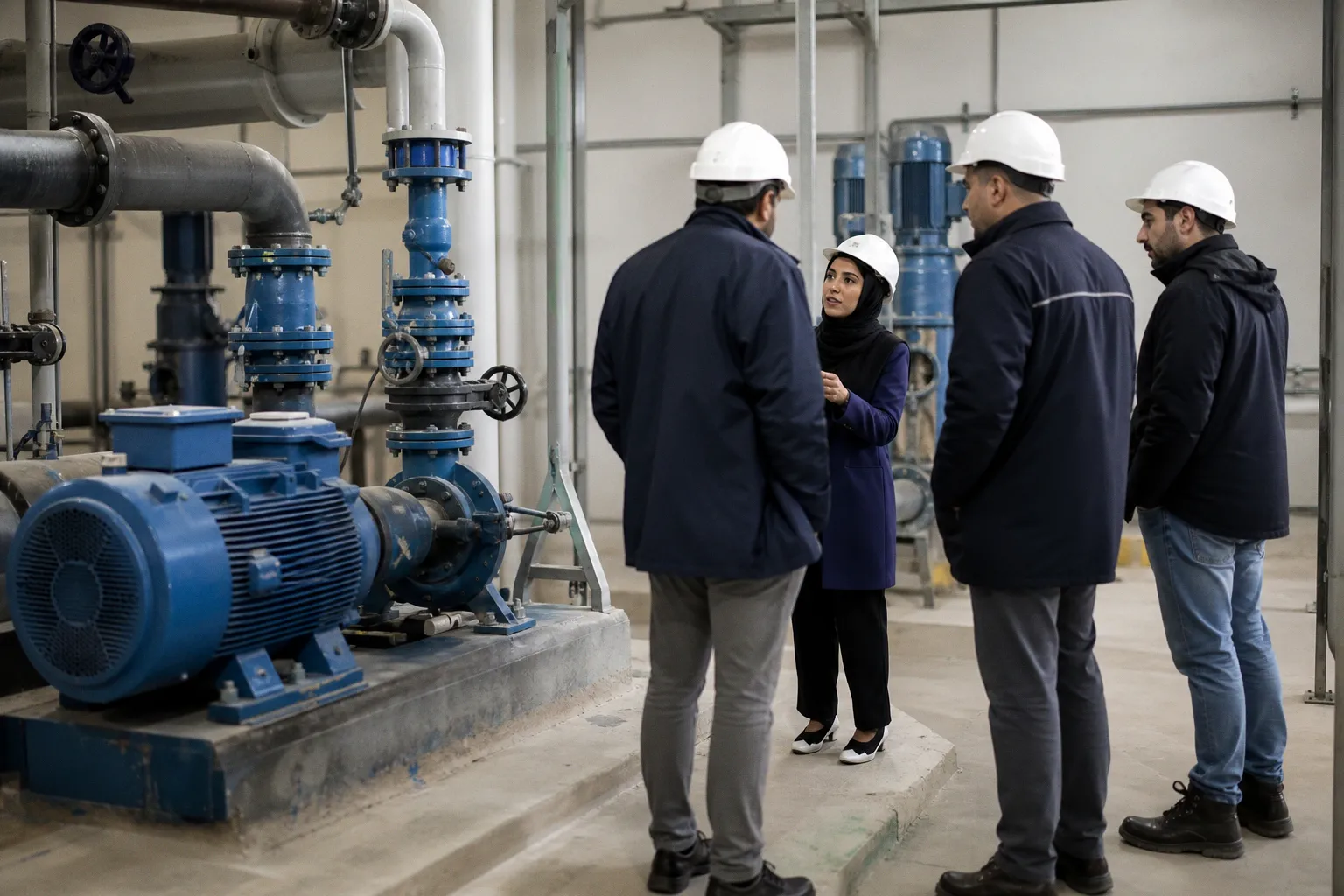
The public preview is thin on hard specs, but the framing matters more than the spec sheet: trade press is naming the engineers, project leads, and business owners behind pumps, valves, and switchgear, and treating their careers as the story. For the rest of us who actually run equipment on the ground, that shift changes how we vet the people we trust to design the systems we inherit.
Reading a series, not a single article
Think of "Women In MEP" less as a one-off interview and more as a slowly drawn map of who is shaping electromechanical work across the region. When an outlet commits to a recurring column, it signals two things at once — that the editors see a sustained audience for these voices, and that the pool of credible operators is broader than the names that usually show up on panel agendas. Royal Advance Electromechanical is the kind of firm most of us only encounter through a nameplate or a service truck, so the value of a conversation like this is what it lets you do before you ever pick up the phone: you walk in knowing there is a real human behind the proposal, and that human has had to think about the same daily frictions you think about — shift hand-offs, how a valve schedule gets reviewed, whether the control panel will survive a summer in a plant room.
If you're sourcing a pump package or a plumbing retrofit, treat the absence of detail in a snippet as a reason to pull the long version, not to skip the lead. Read what Bittar actually says about service delivery or project close-out, and then match that against the proposal your contractor handed you. A name attached to a public conversation is a small audit trail, and audit trails save you from the most expensive failure mode we see on the factory floor: trusting a glossy capability deck that nobody has to personally stand behind.
What to watch when the next instalment drops
A pattern this short is easy to over-read, so we keep our checklist tight. Is Royal Advance talking about service and maintenance, or only about new build? Does the conversation touch on commissioning, on operator training, on the after-hours call that decides whether a pump room stays lit? The more the series leans into those unglamorous moments — the tactile, on-the-ground kind — the more useful it becomes for the readers who feel operator fatigue in their hands. Watch the second and third instalments before you draw conclusions about where the editorial line is being drawn: one interview is a spotlight, two is a lens, and three is a standard.