KSB Limited Boosts Shirwal Pump Production Capacity by 20% with New Investment
As reported by SAHI, KSB Limited is putting ₹40 crore into its Shirwal plant in Satara, Maharashtra — a self-funded expansion that lifts the facility's annual pump manufacturing capacity by 20%, with…
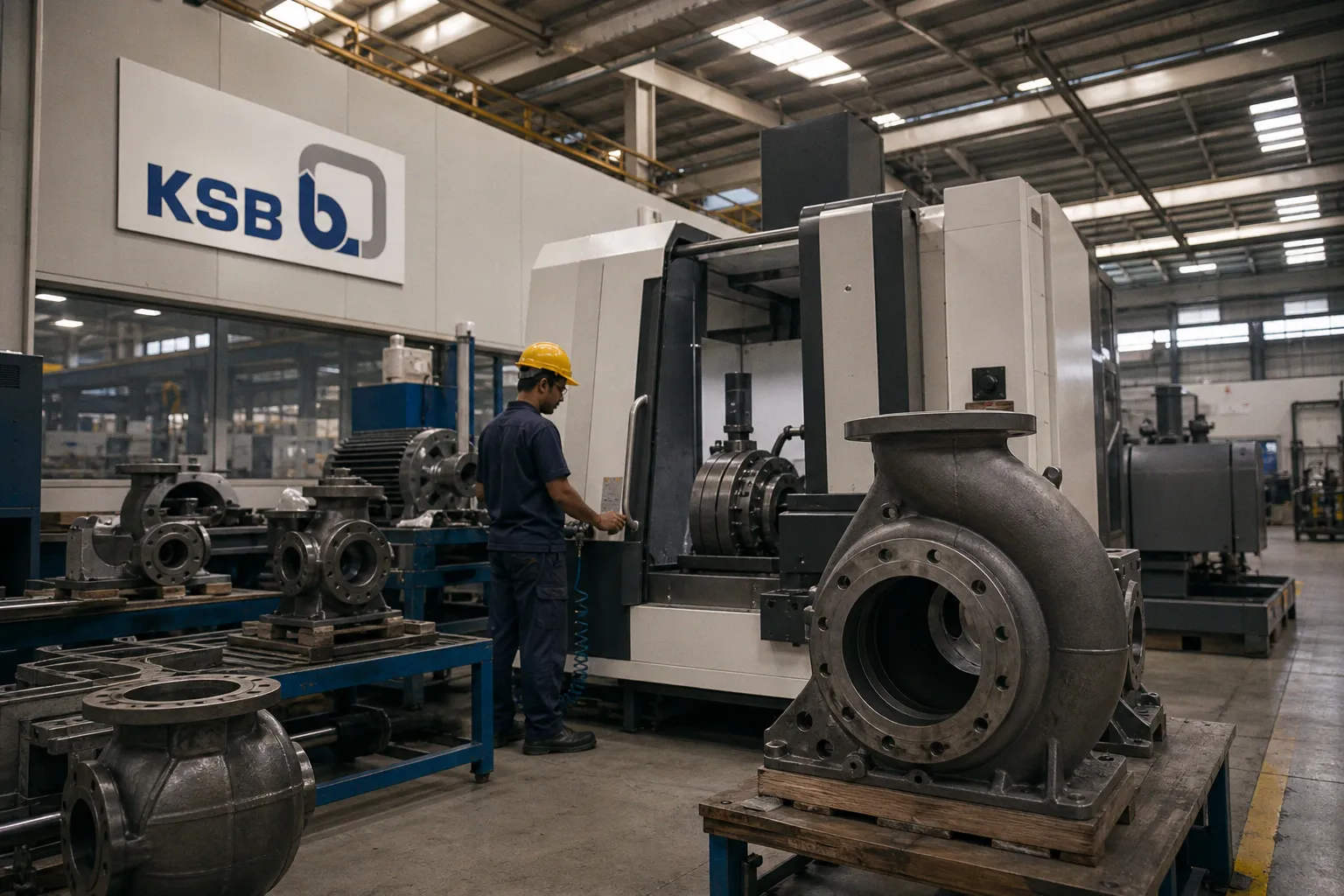
If you've been waiting on quotes for nuclear-grade pumps lately, the picture just got a little clearer on the supply side. As reported by SAHI, KSB Limited is putting ₹40 crore into its Shirwal plant in Satara, Maharashtra — a self-funded expansion that lifts the facility's annual pump manufacturing capacity by 20%, with completion targeted by 2027. For anyone specifying high-spec industrial pumps into power or oil-and-gas projects in India, this is the kind of capacity signal that quietly reshapes lead-time conversations over the next 18 months.
What the expansion actually covers
The spend is funded entirely through internal accruals — no new debt layered onto the balance sheet. The output bump is aimed squarely at the sectors pulling the heaviest domestic order flow right now: conventional power, nuclear projects, and oil and gas. In other words, this isn't a generic capacity top-up. It's targeted at the specialized pump lines where lead times have been the real pinch point — the kind of work that demands tighter documentation, traceability, and QA gates than a standard centrifugal build.
SAHI's coverage points to recent wins that explain the timing. KSB secured its first low-pressure water injection pumps order for the Gadarwara Power Project and shutdown cooling pumps for the Kaiga Units 5 and 6 Nuclear Project. When your order book fills with nuclear-spec work, you don't just need more pumps — you need more pumps that clear the qualification bar, which is a different production problem than running the same lines faster.
Where the friction sits today
Here's the part worth keeping on your radar if you're on the procurement or specification side. KSB's June 2026 quarter showed a 3.6% year-on-year rise in standalone sales to ₹690.7 crore, but standalone net profit dropped 18.02% to ₹59.6 crore as EBITDA margins contracted by 190 basis points. Revenue climbs while profitability gets squeezed — that's a classic sign of input cost inflation meeting the kind of price discipline the market simply won't let you pass through.
If you're standing on the factory floor, that combination is familiar. You're running hotter shifts to fill more orders, but the margin per unit is thinner, so any operational hiccup — a tooling delay, a missed inspection window — eats into a cushion you used to have. Capacity expansion helps, but only if the throughput gain outpaces the cost of running the line closer to its limits.
What to track from here
A few practical checkpoints if this expansion lands inside your project planning:
- Execution timeline at Shirwal. 2027 is the stated target. Slippage on industrial capacity builds is common, especially when you're adding nuclear-grade capability rather than generic assembly throughput.
- Valve segment margins. SAHI flags valve segment margin recovery as one of the unlock conditions. If you're bundling pumps and valves from KSB, the valve side is where the near-term pricing pressure is showing up most visibly.
- Order book conversion. The Gadarwara and Kaiga wins are the visible proof points. Watch for additional nuclear and conventional power orders landing in subsequent quarters — that's the demand signal the new capacity is actually being built against.
The wider backdrop is real: India's capital goods and industrial machinery sectors are seeing demand pull from government-driven nuclear expansion and thermal power upgrades. KSB is positioning to be a sole or leading domestic source for the specialized pumps those projects need, funded without leverage, timed to a multi-year demand curve. Whether the margin compression is a passing quarter or a structural cost issue is the part you don't want to assume — wait for the next two quarters of segment data before you lock in long-dated supply assumptions on this name.