Rotork Profit Growth and the ABB Acquisition: What Maintenance Teams Need to Know
Anyone who's lost a maintenance window to an actuator spare with the wrong firmware knows why balance-sheet headlines matter — and Rotork's half-year numbers, reported by AJ Bell, are exactly that…
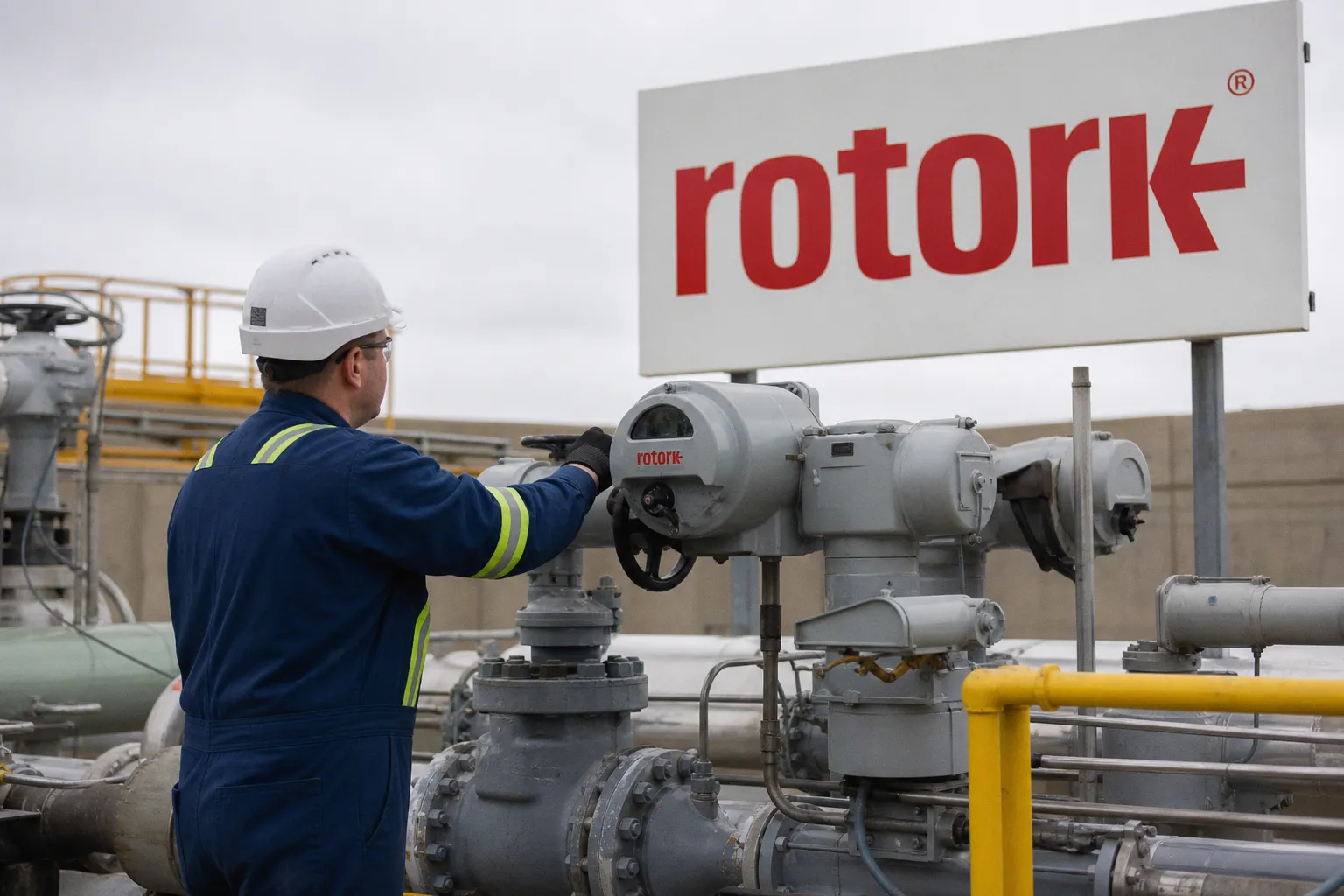
Anyone who's lost a maintenance window to an actuator spare with the wrong firmware knows why balance-sheet headlines matter — and Rotork's half-year numbers, reported by AJ Bell, are exactly that kind of headline: pretax profit up 9.7% to £71.4 million on flat revenue of £367.2 million, while the flow-control specialist prepares for a £4.14 billion takeover by ABB. What changes in the boardroom eventually shows up on the shop floor, and right now several of those signals are worth reading carefully.
What flat revenue and rising profit actually mean
In plain terms, Rotork is moving roughly the same volume of actuators and valve gear as last year, but earning more on each unit. For us on the ground, that's the kind of headline that deserves a closer look rather than a shrug. Think of it like a shift where the line speed holds steady but the reject rate quietly drops — the workload feels unchanged, yet the outcome underneath shifts in ways you only notice when you run the numbers at month-end.
What we can't tell from the snippet alone is where the margin is coming from: price, mix, cost-out, or service revenue. If you're sizing a replacement actuator this quarter, ask your rep in writing whether the unit on the quote is the same generation you installed two years ago, or a revised BOM with different internals. If the answer is hazy, that's a signal of its own.
What an ABB takeover changes in real-world context
ABB stepping in at £4.14 billion isn't a balance-sheet event we can leave to the analysts — it redraws the spare-parts map. When an acquirer of that scale takes the wheel, we typically see three practical ripple effects on the plant floor: rationalization of overlapping SKUs, a shift in where you order spares and firmware, and a tightening of the authorized-service network. Tactile feedback on that change doesn't come from press releases; it comes the first time your usual part number returns "no longer stocked."
If you're managing a fleet of Rotork actuators, two tasks belong on your desk this month, not next quarter. First, pull your serial-number list and confirm warranty status unit by unit — the cutoff date matters under a change of ownership. Second, ask your distributor in writing what their commitment looks like once the deal closes: service contracts, lead times on replacement circuit boards, and whether the local technician pool stays put. If their answer is vague, you've learned something useful.
A parallel signal from Rockwell
While Rotork is being absorbed, Rockwell Automation reported third-quarter fiscal 2026 sales of $2.31 billion, up 8% year-over-year with organic sales up 10%, according to Business Wire. Organic growth at that pace means volume, not just pricing — a different shape than Rotork's flat revenue. Updated full-year guidance did weigh on investor sentiment, but the gap between these two headlines is the part worth your attention.
Rockwell sells the controllers and HMIs that talk to your actuators; Rotork builds the muscle that moves the valve. If the Rockwell side of the stack keeps compounding real volume while Rotork's revenue plateaus, the integration planning at ABB may lean harder toward the controls layer. For you, that suggests the next round of actuator retrofits will arrive bundled with a control-platform conversation you can't defer. Worth raising with your controls engineer before the year is out — the goal isn't to fight the change, it's to avoid operator fatigue being the first thing that tells you the architecture has already moved.