Shakti Pumps Wins ₹235.92 Crore Contract to Deploy 10,000 Solar Units in Maharashtra
According to Sahi Markets, Shakti Pumps (India) Limited has just secured a Letter of Empanelment from MSEDCL worth ₹235.92 crore to supply and install 10,000 off-grid solar water pumping systems across Maharashtra.
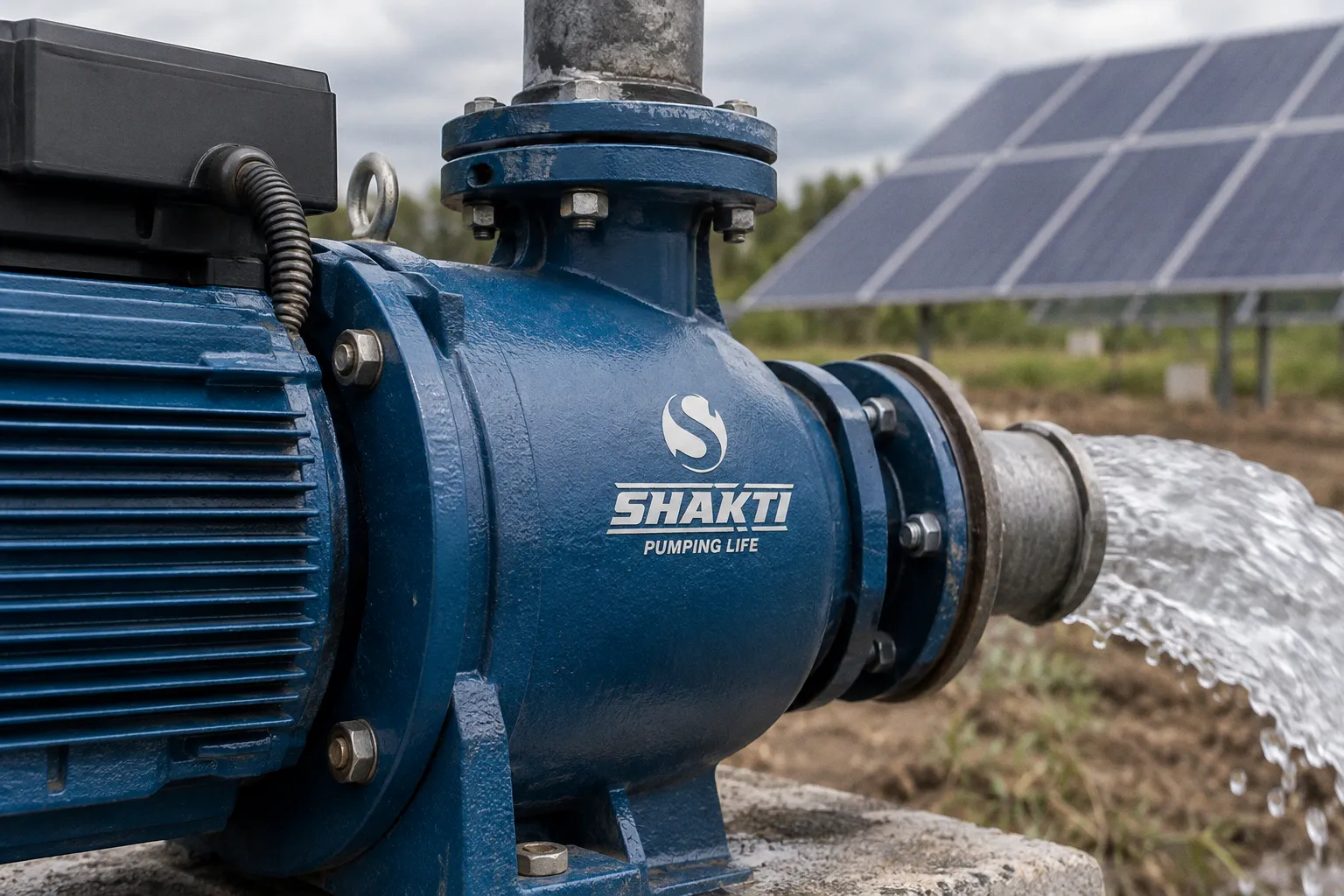
On the factory floor, a number like this translates into something very tangible: ten thousand panels bolted onto ten thousand pump heads, scattered across a single state, with a 60-day clock already ticking. For anyone who lives and breathes this hardware category, the order is less interesting as a financial event and more interesting as a logistics and service-design story — and that's where we want to spend our attention.
What the contract actually covers
The pumps sit under Maharashtra's state-sponsored Magel Tyala Saur Krushi Pump Yojana, and the deployment is split across three capacities: 3 HP, 5 HP, and 7.5 HP. If you've walked a pump row in the field, you already know what those tiers mean in practice — 3 HP handles a small plot or kitchen garden with low lift, 5 HP is the workhorse for multi-acre vegetable blocks or orchards, and 7.5 HP covers deeper wells or shared distribution lines where one pump feeds a group of fields. A mixed-fleet order like this almost always arrives because a single HP band can't serve the topography across an entire district, so the regional deployment team will be stocking three motor families, three controller variants, and three mounting footprints in the same truck.
The 60-day execution window
Here's where the service-design backbone behind this contract really starts to matter. The order has to be executed within 60 days from the work order or Notice to Proceed — and if you're the field engineer reading this, your brain should immediately go to logistics, not marketing. Ten thousand units, three SKUs, one state, two months. That means pre-staged regional depots, standardized wiring harnesses, installer crews trained on a single commissioning checklist, and a clear escalation path when a farmer calls because the controller doesn't recognize his panel array.
This is exactly the kind of order where the difference between a pump vendor and a category leader shows up. Sahi Markets notes that Shakti Pumps had a prior empanelment of 15,000 pumps worth ₹353.89 crore earlier this summer, so the company isn't walking into this sprint cold — the muscle memory from that round is what makes a second one feasible inside the same calendar year.
What to watch from the factory-floor angle
For those of us who spec, install, or maintain agricultural pumping equipment, a few practical things are worth tracking as the deployment rolls out:
- Spare-parts depth. A 10,000-unit solar pump order isn't a sale — it's a multi-year service commitment. The interesting question isn't how many pumps are installed by week nine; it's what the replacement-part pipeline looks like in year two, when the first batch of controllers starts returning for service.
- Controller standardization. Off-grid solar pumps fail most often at the controller, not the pump end. Watch whether the installed base runs on a unified platform, or whether regional installers end up mixing brands to hit the timeline.
- Operator training. The farmer is the end-customer, but the day-to-day operator is usually a family member or hired hand. If the commissioning crew leaves without a five-minute tactile walkthrough — where the manual disconnect lives, what the fault codes sound like — that pump will be back at the dealer within a season.
The broader signal here is structural: agricultural pumping is shifting away from the grid at scale, and the service design that wins the next decade won't be the pump with the cleanest datasheet. It'll be the brand whose regional crew shows up, in the field, on day sixty-one — and stays there.